
Solar Panel Installation Residential South Africa
Solar panel installation for residential properties in South Africa has moved from a luxury upgrade to a practical necessity for millions of homeowners. Persistent load shedding and Eskom tariffs that have risen sharply over the past decade have pushed electricity costs to a point where solar pays for itself faster than ever before. If you are weighing up whether to act in 2026, the short answer is: the conditions have never been better.
South Africa sits in one of the world’s premier solar belts. Most of the country averages more than 2 500 peak sun hours per year, more than double the average across much of Northern Europe, where rooftop solar is already mainstream. That irradiance advantage means a correctly sized system here generates significantly more energy per panel than an equivalent installation in Germany or the UK. Combine that with rising grid costs and reliable load shedding backup power solutions, and the case for going solar is straightforward.
What a Residential Solar Panel Installation Actually Involves
Understanding the process removes the guesswork and helps you plan realistically. A South African residential solar installation follows a clear sequence, skipping any step creates compliance or technical risk.
Site assessment and roof inspection
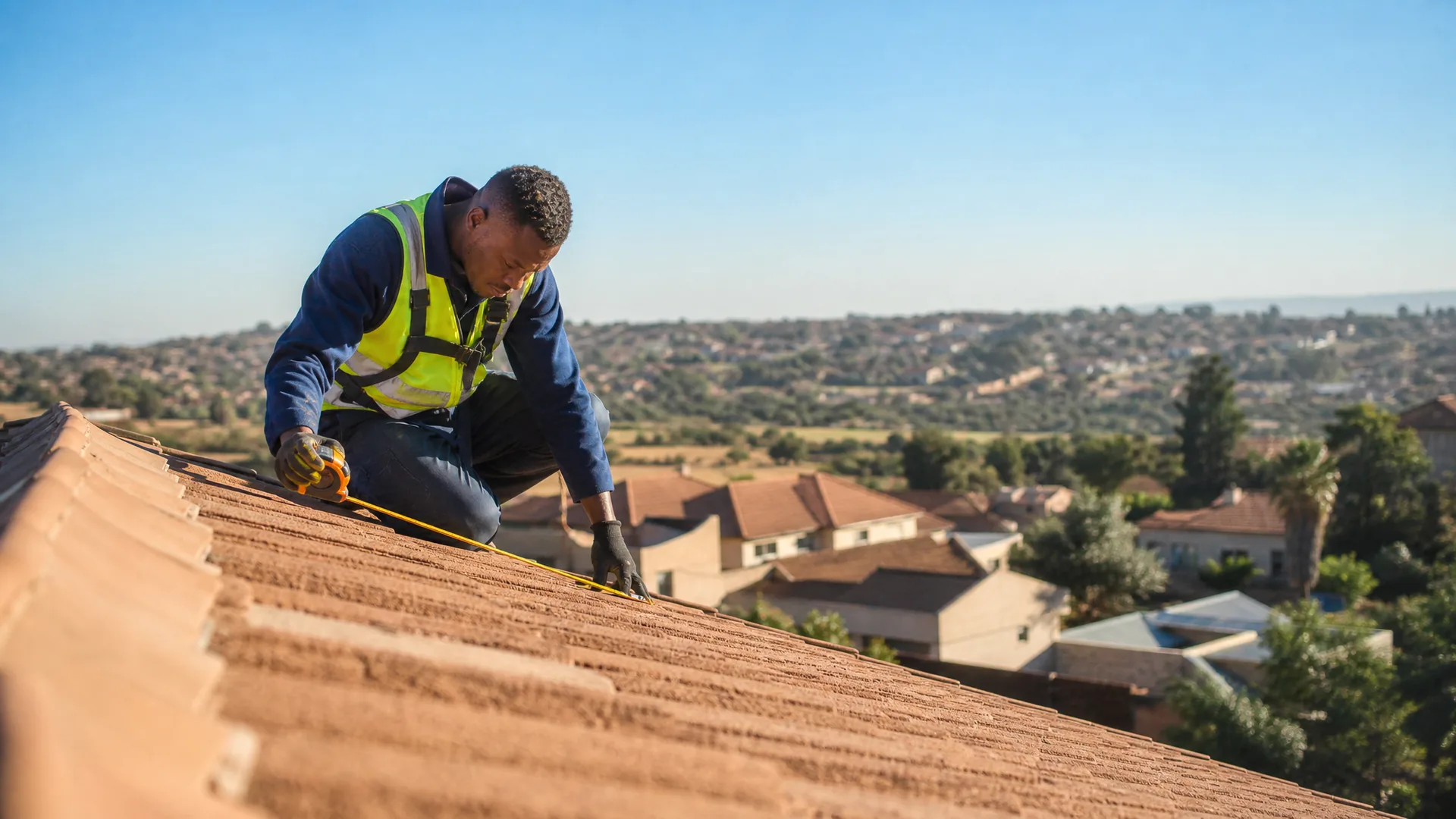
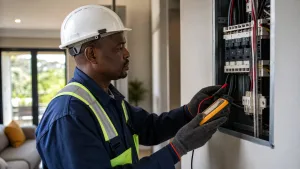
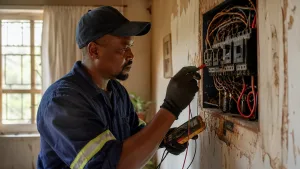
A qualified installer visits your property to measure roof space, check orientation and pitch, and run a shade analysis. South-facing and west-facing roof sections are assessed for peak output hours. A residential electrical inspection before going solar is also recommended at this stage so your existing DB board and wiring are confirmed ready to integrate with the new system.
System design and municipal approval
Based on the site data, the installer designs the system, panel count, inverter size, battery inclusion, and sizes it against your actual consumption. For any grid-tied system, most South African municipalities now require a Small-Scale Embedded Generation (SSEG) application before the system can legally export power to the grid. Under NERSA’s SSEG framework, homeowners with grid-tied systems above a threshold capacity must register with their local municipality before energising. Skipping this step risks non-compliance and potential disconnection. A registered electrician must also issue a Certificate of Compliance (CoC) on completion; this is a legal requirement under South African electrical regulations, not an optional add-on. You can read more about electrical safety certificate requirements in South Africa to understand what the CoC covers.
Physical installation and grid-tie connection
Once approvals are in place and equipment has arrived, the physical installation typically takes one to two days on a standard residential property. Panels are mounted, wiring is run, the inverter is wall-mounted (usually in the garage or utility room), and the system is connected to the DB board. For grid-tied installations, the bi-directional meter is installed at this stage, and the system is tested before switch-on. Our registered electricians issue the CoC on every job.
Solar Panel Installation Requirements: Roof Types and Structural Checks
Not every roof accepts solar panels the same way. Roof type determines the mounting system used, the waterproofing approach, and the structural checks required, a detail many overseas guides overlook entirely.
Pitched tile and IBR metal roofs
Pitched tile roofs, concrete or clay, use a rail-and-bracket mounting system. Brackets are anchored through the tiles into the roof battens, a waterproof flashing is fitted at each penetration point, and aluminium rails run across the surface to carry the panel frames. IBR and Chromadek metal roofs use a non-penetrating roof-clamp kit that grips the metal rib directly, which is faster to install and preserves the roof membrane. A typical grid-tied installation on an IBR metal roof in Johannesburg uses a roof-clamp mounting kit, inverter wall-mount in the garage, and an SSEG application to the City of Joburg before the system can legally export to the grid. Both roof types require a structural load-bearing check on older homes, roof timbers and purlins must be rated to carry the added panel weight before installation begins.
Flat and concrete slab roofs
Flat roofs and concrete slab roofs need a different approach. Penetrating anchors into a concrete slab carry significant waterproofing risk, so the standard solution is a ballasted tilt-frame racking system. The frames are weighted with concrete blocks rather than bolted through the roof, and panels are angled, typically between 10° and 15°, to optimise output and allow rain to self-clean the surface. The added mass of the ballast means a structural engineer’s sign-off on the slab load capacity is often required, particularly on homes older than 20 to 25 years. This is assessed during the site survey and factored into the installation quote.
Residential Solar System Cost: What to Budget in 2026
Residential solar system cost in South Africa falls into three broad tiers. Entry-level off-grid backup systems, typically a small inverter with battery storage and a limited panel array, are designed to keep lights and essential appliances running during load shedding but do not interact with the grid. These are the most affordable option. Hybrid grid-tied systems add battery storage to a grid-connected setup, letting you store daytime solar production for evening use and sell surplus back where a feed-in tariff is available. Full grid-tied systems without batteries are the most straightforward technically and often the lowest cost per kilowatt of capacity installed.
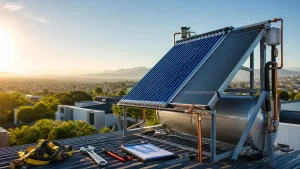
Price is driven by system size (measured in kilowatt-hours of daily generation), inverter type, whether batteries are included, and installation complexity, roof type and access being the main variables. Some municipalities, including the City of Cape Town, have active feed-in tariff or rebate structures that reduce effective payback periods. For a deeper look at battery options, see our guide to solar battery backup systems in South Africa, and for inverter selection, one of the biggest cost drivers, read our guide on choosing the best solar inverter for home use. Many homeowners also add solar geyser installation to the same project to maximise overall energy savings.
Solar Panel Installation Timeline: From Quote to Switch-On
A realistic solar panel installation timeline for a South African home looks like this:
- Week 1: Initial enquiry, site visit, and shade and roof assessment.
- Weeks 1–2: System design finalised and equipment ordered. Lead times on inverters and panels vary by supplier.
- Weeks 2–8: SSEG municipal application submitted. Processing times differ significantly, some municipalities turn these around in two weeks, others take six or more. This is the stage most likely to cause delays.
- Day 1–2 (post-approval): Physical installation. Panels mounted, inverter and wiring completed, DB board integrated.
- Final day: CoC issued by the registered electrician, grid-tie meter confirmed, and system tested at switch-on.
The most common source of delay is municipal administration, not the installer. Setting a realistic timeline expectation upfront avoids frustration.
Install Solar Panels at Home in South Africa: How to Get Started With Us
Getting started is straightforward. We offer a free call-out fee, no cost to having one of our registered electricians visit your property, assess your roof, and walk through your options.
Three steps to booking:
- Call or enquire online, tell us your address and a rough idea of your monthly electricity spend.
- Free site assessment, a registered electrician visits, checks your roof type, orientation, and existing electrical setup, and discusses system options with you.
- Receive an itemised quote, transparent, no-obligation pricing broken down by equipment, installation, and compliance costs (CoC and SSEG application included).
Every installation comes with a workmanship guarantee. Our electricians handle the SSEG paperwork and issue the CoC, you do not need to deal with municipal compliance on your own. Whether you need a basic backup system to manage load shedding or a full hybrid grid-tied setup, we size the solution to your home and budget. Enquire today and we will get your site assessment booked within the week.
About author


Add comment