FREE CALL-OUT FEE
FREE QUOTES
GUARANTEES ON ALL WORK
What causes electrical components to overheat?
Electrical components can overheat due to overloaded circuits, loose or corroded connections, poor ventilation, excessive current flow, or deteriorating components. Over time, these issues can damage insulation, reduce efficiency, and create serious fire risks.
How can I tell if a device or component is overheating?
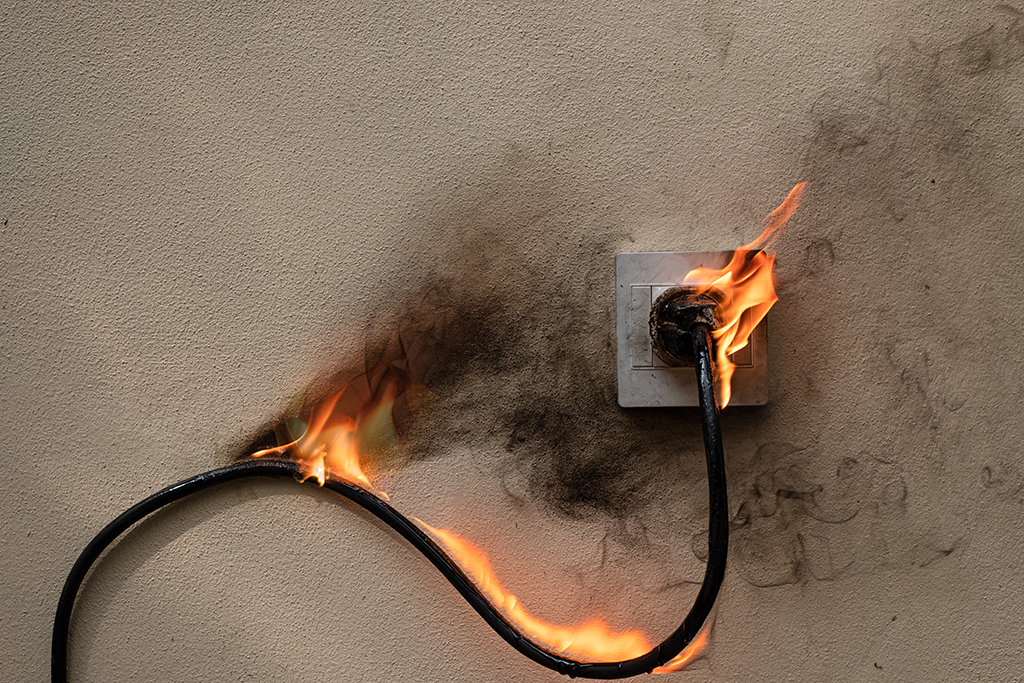
Signs of overheating include unusual warmth, burning smells, discolouration around outlets or panels, and circuit breakers that feel hot to the touch. Overheating is often silent, so regular inspection and thermal imaging diagnostics are recommended to detect issues early.
What should I do if an electrical device or circuit is overheating?
Immediately turn off and unplug the device or circuit. Allow it to cool, inspect for visible damage, and avoid repeatedly resetting breakers. For persistent problems, contact a qualified electrician to identify and fix the root cause.
Can overheating be fixed without replacing components?
Yes, minor overheating can sometimes be resolved by tightening loose connections, cleaning contacts, balancing loads, or improving ventilation. However, damaged components, worn breakers, or faulty wiring usually require replacement with high-quality, SANS-approved parts to ensure safety and compliance.
At Electricians Near Me, your satisfaction is our top priority. We deliver quality workmanship, honest pricing, and friendly service on every job. From quick repairs to major installations, we ensure reliable results and lasting peace of mind — every time.
How do electricians detect overheating in electrical systems?
Professional electricians use thermal imaging cameras and infrared inspections to detect hotspots that are invisible to the naked eye. They also perform voltage and current testing, inspect terminals for corrosion, and measure load distribution across circuits.
What areas are commonly affected by overheating?
Overheating can occur in outlets, switches, distribution boards (DB boards), fuse boxes, electrical panels, breakers, transformers, motors, and lighting fixtures. Both residential and commercial systems are susceptible, especially under heavy loads or poor ventilation.
Why is load balancing important?
Uneven or excessive load on circuits increases current flow, causing wires and components to heat up. Electricians measure and redistribute electrical loads to prevent damage, improve efficiency, and reduce fire risk.
How do electricians prevent overheating in industrial and commercial environments?
For high-load systems, electricians inspect motors, transformers, control panels, and machinery, ensure proper ventilation, check insulation and protective devices, and carry out preventive maintenance. This minimizes downtime, protects sensitive equipment, and maintains safe operation.
What maintenance is recommended to prevent electrical overheating?
Preventive maintenance includes regular inspections, load balancing, thermal imaging, cleaning connections, replacing worn components, and ensuring all devices are rated correctly for their circuits. SANS compliance checks are also critical for safety and insurance purposes.
What should I do if I notice electrical resistance heat buildup or voltage imbalances?
Resistance and voltage imbalances increase heat in wires and components. Electricians perform resistance testing, redistribute loads, and install stabilizing devices if needed to ensure safe, efficient operation.
Can overheating damage my home or business system?
Yes. Overheated wiring, panels, breakers, and equipment can reduce efficiency, cause permanent damage, and increase fire risk. Addressing issues early prevents costly repairs and protects both property and occupants.
What services do Electricians Near Me offer for overheating issues?
Our services include diagnosing, repairing, and preventing electrical overheating in homes, offices, and industrial facilities. We handle everything from minor repairs to full system overhauls, including thermal imaging diagnostics, breaker inspection, wiring replacement, load balancing, and preventive maintenance programs.
Do you provide emergency overheating repair services?
Yes. Our team is available 24/7 for emergency repairs, quickly isolating faults, repairing circuits, and preventing further damage or fire hazards.
How can I improve long-term electrical safety and performance?
We offer electrical component cooling solutions, preventive maintenance programs, and fire risk assessments. These services ensure your system operates efficiently, extends equipment lifespan, and keeps your property safe.
What are the most common causes of electrical overheating?
Electrical overheating is usually caused by overloaded circuits, loose or corroded connections, and faulty or worn-out electrical components. Overloaded circuits occur when too many devices draw power from a single outlet or circuit, while loose connections create resistance that generates heat. Faulty components, such as damaged wires or aging equipment, can also cause dangerous overheating.
What should I do if an electrical device is overheating?
If an electrical device starts to overheat, immediately turn it off and unplug it from the power source. Allow it to cool down completely before inspecting it. Check for damaged cords, blocked vents, or excessive dust that could be causing the heat. For persistent problems, have the device checked or repaired by a qualified electrician to prevent potential hazards.
What causes electrical components to heat up?
Electrical components heat up due to excessive current flow, poor ventilation, high resistance in connections, or prolonged usage beyond their rated capacity. Components such as transformers, resistors, and power supplies generate heat naturally, but overheating occurs when the electrical load exceeds safe limits or the component is faulty.
How can power supply overheating be fixed?
Power supply overheating can often be fixed by ensuring proper ventilation, cleaning dust and debris from fans or vents, and checking that the load does not exceed the supply’s rated capacity. In some cases, replacing worn-out components or upgrading to a higher-capacity power supply is necessary. For safety and reliability, it’s best to have a licensed electrician handle any major repairs or replacements.
Add comment