A safe, efficient, and reliable electrical system is essential for any business or commercial property. Whether running a small office, a retail store, or a large industrial facility, having a well-maintained electrical infrastructure is crucial to ensuring smooth operations, energy efficiency, and compliance with safety standards. Commercial electrical services cover a wide range of needs, from new installations and system upgrades to troubleshooting and emergency repairs.
GET A FREE CALL-OUT
Your Call-Out’s on Us!
We’ll come to you for free — no strings attached. Fast response, expert service, and transparent pricing after inspection.
The Importance of Professional Commercial Electrical Services
Unlike residential electrical systems, commercial properties have higher power demands, complex wiring configurations, and specialized equipment that require expert handling. A licensed commercial electrician ensures that all electrical components are installed and maintained according to industry standards and local regulations, minimizing the risk of power failures, fire hazards, and costly downtime.
Regular maintenance and electrical system inspections help businesses identify potential issues before they escalate, reducing the likelihood of unexpected failures. Upgrading outdated wiring, installing energy-efficient lighting, and ensuring proper power distribution can also improve overall efficiency and reduce operational costs.
Electrical solutions designed for businesses, offices, and industrial facilities.
Businesses, offices, and industrial facilities require customized electrical solutions to ensure efficient operations, workplace safety, and uninterrupted power supply. Unlike residential electrical systems, commercial and industrial properties have higher power demands, complex wiring configurations, and specialized equipment, making professional electrical services essential for smooth functionality.
A well-designed electrical system supports a business’s daily operations by providing stable power, reducing energy waste, and ensuring compliance with industry standards. Whether setting up new office spaces, upgrading factory equipment, or installing energy-efficient lighting, expert electricians deliver tailored electrical solutions that enhance productivity and reduce long-term costs.
Key commercial electrical services include panel upgrades, wiring installations, dedicated circuits for heavy machinery, smart energy management systems, and surge protection. Businesses also benefit from emergency backup power solutions, security lighting, and electrical safety inspections, ensuring they are protected from unexpected outages and potential hazards.
For industrial facilities, electrical systems must be built to withstand heavy loads and constant operation. This requires high-capacity wiring, advanced power distribution systems, and industrial-grade surge protection to keep equipment running safely and efficiently.
By partnering with a licensed commercial electrician, businesses can receive customized electrical solutions that meet their unique power needs, ensuring a safe, efficient, and future-ready infrastructure. Investing in professional electrical services guarantees long-term reliability, compliance, and enhanced operational efficiency for offices, businesses, and industrial sites alike.
Differences between residential and commercial electrical work.
While both residential and commercial electrical systems provide power for lighting, appliances, and equipment, there are significant differences in design, complexity, and power requirements. Understanding these differences is crucial when hiring an electrician, as commercial properties require specialized expertise, equipment, and safety measures compared to residential settings.
One of the key differences is power capacity and voltage requirements. Residential properties typically use 120V to 240V systems, while commercial buildings operate on higher voltages, such as 208V, 277V, or even 480V, to accommodate heavy-duty equipment, large HVAC systems, and industrial machinery. This requires more complex wiring and circuit setups in commercial installations.
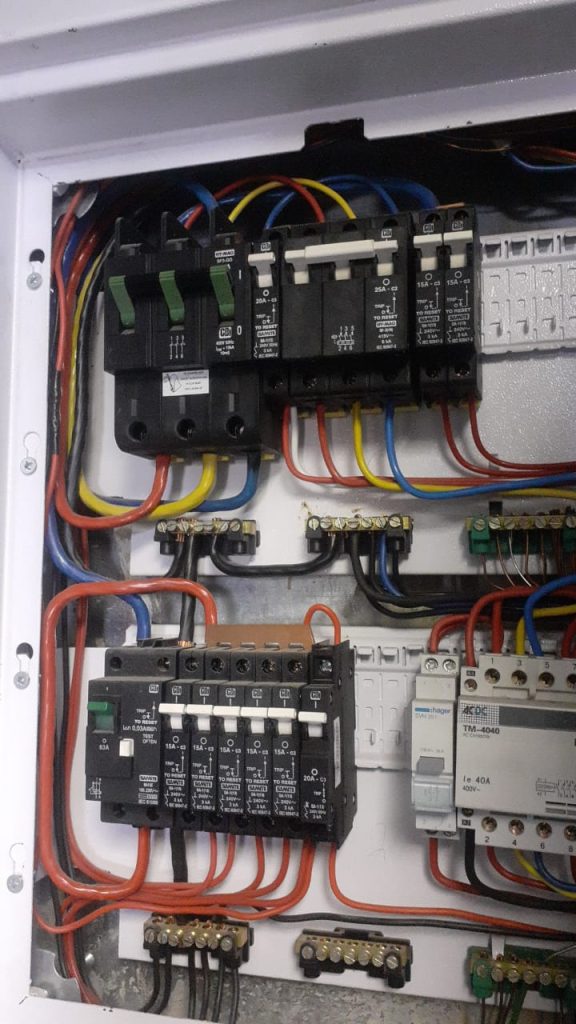
Another distinction is wiring and components. Residential electrical work commonly involves single-phase power, while commercial systems use three-phase wiring, which provides greater efficiency and power stability for high-demand applications. Additionally, commercial buildings require industrial-grade components, such as metal conduit wiring and high-capacity circuit breakers, to withstand constant operation.
Regulations and safety codes also vary. Commercial properties must comply with stricter electrical codes, emergency lighting requirements, and fire safety regulations, ensuring occupant safety and uninterrupted business operations.
Due to these differences, commercial electrical work requires specialized skills, advanced troubleshooting techniques, and knowledge of industry-specific requirements. Hiring a licensed electrician with commercial experience ensures that electrical installations, repairs, and upgrades meet code requirements and provide reliable power for businesses and industrial facilities.
Emergency Electrical Services for Businesses
Electrical emergencies can disrupt business operations, pose serious safety risks, and result in financial losses if not addressed immediately. Whether it’s a power outage, electrical fire hazard, or equipment failure, businesses need emergency electrical services to restore power quickly and prevent further damage. Having access to licensed commercial electricians who provide 24/7 emergency response ensures business continuity and workplace safety.
Common electrical emergencies in businesses include frequent breaker trips, overloaded circuits, power surges, flickering lights, and faulty wiring. These issues can lead to downtime, lost productivity, and potential fire hazards. Electrical failures affecting servers, security systems, HVAC units, and industrial machinery can also halt operations, making rapid repairs essential.
Emergency electricians are trained to diagnose and resolve critical electrical problems efficiently, ensuring minimal disruption and preventing long-term damage. They provide immediate troubleshooting, system repairs, and power restoration for businesses, offices, and industrial facilities.
By investing in emergency electrical services, businesses can avoid costly downtime, maintain employee and customer safety, and ensure compliance with industry regulations. A trusted commercial electrician with emergency response capabilities ensures that businesses remain powered, protected, and operational—no matter the time of day.
24/7 availability for power outages and system failures.
Power outages and electrical system failures can occur at any time, disrupting business operations, safety systems, and productivity. Whether due to storm damage, overloaded circuits, equipment malfunctions, or utility grid failures, these issues require immediate professional attention to prevent financial losses and safety hazards. Having access to 24/7 emergency electrical services ensures that businesses and commercial properties can quickly recover from unexpected power disruptions.
Electrical failures can impact lighting, security systems, HVAC units, data servers, and production machinery, leading to downtime, customer service interruptions, and operational delays. In critical industries like healthcare, manufacturing, and retail, even a short power outage can result in significant disruptions.
A licensed emergency electrician can provide rapid response services, diagnosing and repairing electrical failures to restore power efficiently. Whether it’s a tripped breaker, blown fuse, short circuit, or transformer issue, professional electricians identify the cause and implement effective solutions to prevent further damage.
With 24/7 availability, businesses can minimize downtime, reduce operational risks, and ensure uninterrupted power supply. Having a trusted emergency electrician on call provides peace of mind, ensuring that electrical issues are resolved swiftly and safely—no matter the time of day or night. Investing in round-the-clock electrical support helps businesses stay powered, protected, and fully operational at all times.
Minimizing business downtime with quick repairs.
Electrical issues can bring business operations to a standstill, leading to lost productivity, revenue loss, and customer dissatisfaction. Whether it’s a power outage, equipment failure, or wiring issue, businesses must act fast to restore power and minimize downtime. Quick electrical repairs by a licensed commercial electrician ensure that operations continue smoothly and safely.
Common electrical problems such as frequent breaker trips, flickering lights, malfunctioning outlets, and power fluctuations can impact essential systems like lighting, HVAC, security, and data servers. A delayed response to these issues can cause longer operational disruptions, increased repair costs, and potential safety hazards.
Emergency electrical repair services provide fast troubleshooting, immediate fault detection, and effective repairs, reducing the risk of prolonged outages. Whether addressing circuit failures, damaged wiring, or overloaded systems, professional electricians work efficiently to restore power and prevent further damage.
For businesses in retail, healthcare, hospitality, and manufacturing, every minute of downtime matters. Partnering with a trusted electrician who offers 24/7 emergency support ensures that electrical issues are resolved promptly, allowing businesses to resume normal operations as quickly as possible.
Investing in proactive electrical maintenance and quick repair solutions helps businesses avoid costly downtime, enhance workplace safety, and maintain seamless operations—ensuring long-term efficiency and reliability.
Electrical Maintenance for Businesses
Regular electrical maintenance is essential for businesses to ensure safety, efficiency, and uninterrupted operations. A well-maintained electrical system reduces the risk of power failures, equipment malfunctions, and fire hazards, helping businesses avoid unexpected downtime and costly repairs.
Commercial electrical systems experience heavy daily usage, making them more susceptible to wear and tear, overloaded circuits, and wiring issues. Without routine inspections, small electrical problems can escalate into major failures, affecting lighting, HVAC systems, data servers, and security systems.
Preventive electrical maintenance includes inspecting wiring, testing circuit breakers, checking for loose connections, and ensuring surge protection is in place. It also involves upgrading outdated electrical components, identifying inefficiencies, and optimizing power distribution to support modern business demands.
For industries that rely on continuous power—such as retail, healthcare, hospitality, and manufacturing—even a minor electrical issue can lead to operational disruptions, financial losses, and safety risks. Scheduling regular maintenance with a licensed electrician ensures that businesses remain compliant with electrical safety regulations while improving energy efficiency and system reliability.
By investing in professional electrical maintenance, businesses can extend the lifespan of their electrical systems, prevent emergency repairs, and maintain a safe and productive work environment. A proactive approach to electrical care ensures long-term stability and reduced risk of unexpected failures.
Regular inspections to prevent electrical failures.
Electrical failures can lead to unexpected downtime, equipment damage, and safety hazards, making regular inspections essential for maintaining a reliable and efficient electrical system. Businesses that prioritize routine electrical inspections can identify potential problems before they escalate, reducing the risk of costly repairs and operational disruptions.
Over time, wiring, circuit breakers, and electrical components can degrade due to constant usage, leading to power surges, overloaded circuits, and short circuits. Regular inspections help detect loose connections, outdated wiring, faulty outlets, and malfunctioning electrical panels, all of which can cause sudden failures if left unaddressed.
A professional electrician can test circuits, assess power distribution, and verify that electrical systems comply with safety codes and regulations. Inspections also include checking grounding systems, evaluating surge protection, and ensuring that emergency backup power sources are operational.
For businesses relying on data centers, security systems, HVAC units, and heavy machinery, a sudden electrical failure can lead to major financial losses and safety risks. Preventive electrical inspections help extend the lifespan of electrical systems, improve energy efficiency, and enhance workplace safety.
By scheduling regular electrical inspections, businesses can ensure their power supply remains stable, prevent unexpected breakdowns, and maintain compliance with industry standards. Investing in proactive electrical maintenance is a smart way to protect operations, employees, and valuable equipment from preventable electrical failures.
Identifying potential hazards before they become major issues.
Electrical problems can start small but quickly escalate into serious safety risks, including power failures, fires, or equipment damage. Identifying potential hazards early through routine inspections and proactive maintenance is essential to ensure a safe and efficient electrical system in homes and businesses.
Common warning signs of electrical hazards include flickering lights, frequently tripping breakers, buzzing outlets, and overheating panels. These issues may indicate overloaded circuits, faulty wiring, or aging electrical components that, if left unchecked, can lead to system failures or even electrical fires.
A licensed electrician can assess wiring, circuit breakers, grounding systems, and power distribution to detect hidden risks before they become costly emergencies. Early identification of loose connections, exposed wiring, or outdated electrical panels allows for timely repairs, reducing the chance of unexpected breakdowns and ensuring compliance with safety regulations.
Businesses that rely on HVAC systems, data centers, and heavy machinery face even greater risks from electrical failures. A preventive approach helps maintain consistent power supply, enhances workplace safety, and protects expensive equipment from avoidable damage.
By taking proactive steps to identify and address potential electrical hazards, property owners can avoid disruptions, extend the lifespan of electrical systems, and ensure a secure, efficient environment. Regular electrical assessments are a small investment that prevents major issues and costly repairs down the line.
Commercial Generator Installation and Backup Power Solutions
Businesses rely on uninterrupted power to maintain operations, protect equipment, and ensure customer service. Unexpected power outages—whether caused by storms, utility failures, or electrical grid disruptions—can lead to downtime, financial losses, and safety risks. Commercial generator installation and backup power solutions provide businesses with a reliable emergency power source, ensuring continued operation during outages.
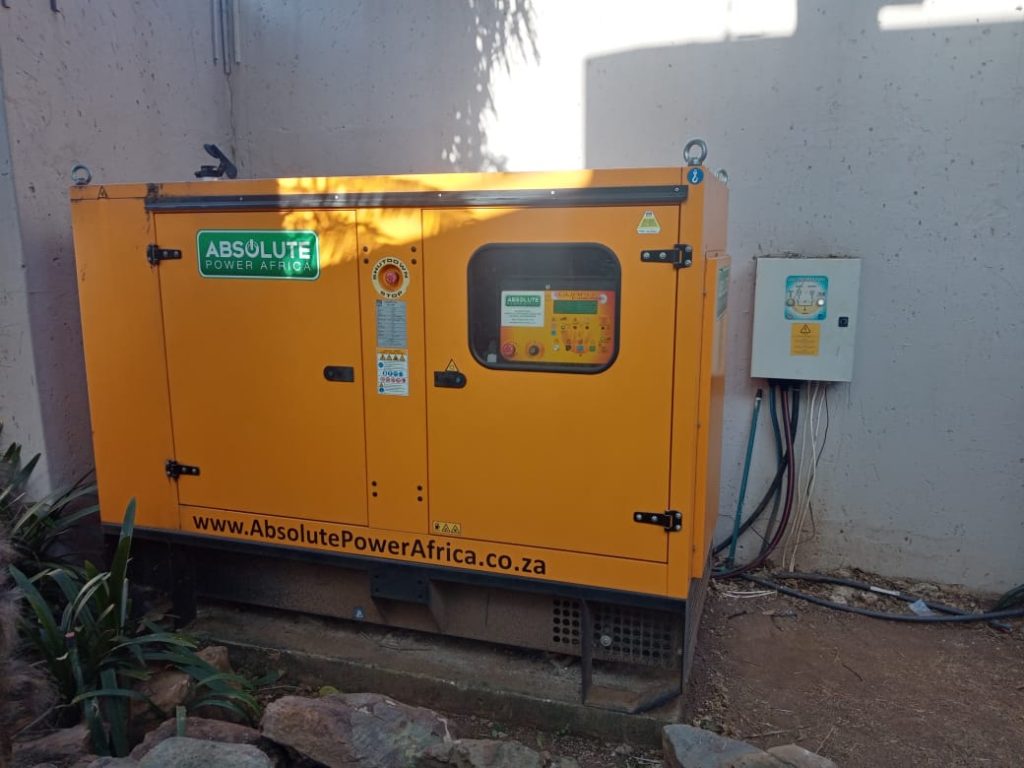
A commercial backup generator is designed to automatically activate when a power failure occurs, restoring electricity within seconds. This prevents data loss, equipment damage, and business interruptions for industries such as healthcare, retail, manufacturing, and hospitality. Generators can power essential systems, including lighting, HVAC, security systems, computers, and refrigeration units, keeping operations running smoothly.
In addition to generators, businesses can benefit from uninterruptible power supply (UPS) systems, which provide short-term power backup for critical devices until the main generator kicks in. This is especially important for servers, communication networks, and sensitive electronics.
Choosing the right generator size and fuel type (diesel, natural gas, or propane) depends on business needs, power demands, and operational requirements. A licensed commercial electrician can assess backup power needs, install the generator, and ensure compliance with local safety codes.
Investing in a commercial generator and backup power solutions helps businesses avoid costly downtime, protect critical systems, and maintain operational efficiency, even during prolonged power outages.
Commercial Generator Installation and Backup Power Solutions
Power outages can disrupt business operations, damage equipment, and result in financial losses, making a reliable backup power solution essential for commercial properties. Commercial generator installation and backup power systems ensure that businesses maintain uninterrupted power supply during unexpected outages, preventing downtime and safeguarding critical operations.
A commercial backup generator automatically detects power failures and activates within seconds, restoring electricity to essential systems such as lighting, HVAC, security, and IT infrastructure. This prevents data loss, halted production, and service interruptions, ensuring that businesses remain operational even when the grid fails.
For businesses with sensitive electronic equipment, such as data centers, medical facilities, and financial institutions, an uninterruptible power supply (UPS) system provides instant battery backup to keep operations running until the generator fully takes over. This protects servers, communication networks, and automated systems from sudden shutdowns and voltage fluctuations.
Commercial generators come in various sizes and fuel types, including diesel, natural gas, and propane, allowing businesses to choose the best solution for their power demands and operational requirements. A licensed commercial electrician can assess power needs, install the right backup system, and ensure compliance with safety standards.
By investing in commercial generator installation and backup power solutions, businesses can protect revenue, maintain productivity, and ensure safety, even during prolonged power outages.
Choosing the right generator for your business needs.
Selecting the right generator for your business is essential to ensuring uninterrupted operations, equipment protection, and employee safety during power outages. With a wide range of commercial generators available, businesses must consider factors such as power capacity, fuel type, and operational requirements to choose a backup power solution that meets their needs.
One of the most important considerations is power capacity. Businesses should assess their critical power loads, including lighting, HVAC systems, security systems, IT infrastructure, and essential machinery. A generator that is too small may not supply enough power, while an oversized generator can lead to inefficiency and higher operating costs. A licensed commercial electrician can help calculate the appropriate wattage for optimal performance.
Another key factor is fuel type. Generators typically run on diesel, natural gas, or propane, each offering unique benefits. Diesel generators are known for their durability and efficiency, while natural gas generators provide a continuous fuel supply without the need for refueling. Propane generators are a cleaner alternative and ideal for businesses needing long-term fuel storage.
Businesses should also consider whether they need a standby generator that automatically activates during outages or a portable generator for temporary power solutions.
By investing in the right generator, businesses can minimize downtime, protect valuable equipment, and ensure seamless operations. Consulting with a professional electrician ensures a customized solution that meets power demands, safety standards, and future growth needs.
Choosing the right generator for your business needs.
Selecting the right generator for your business is crucial to ensuring uninterrupted operations, protecting equipment, and maintaining productivity during power outages. A properly sized and fuel-efficient generator can prevent financial losses, operational downtime, and safety risks, making it an essential investment for any commercial property.
The first factor to consider is power capacity. Businesses should assess their critical power needs, including lighting, HVAC systems, security systems, IT infrastructure, and essential machinery. Choosing a generator with the appropriate wattage and load capacity ensures that all essential operations continue running smoothly without overload or inefficiencies.
Another key consideration is fuel type. Generators typically run on diesel, natural gas, or propane. Diesel generators offer high efficiency and durability, natural gas generators provide a continuous fuel supply, and propane generators offer a cleaner, long-term storage option. The choice depends on fuel availability, operational requirements, and cost-effectiveness.
Businesses must also decide between standby and portable generators. Standby generators automatically activate during outages, making them ideal for large-scale operations, healthcare facilities, and data centers. Portable generators, on the other hand, offer temporary power solutions for construction sites and remote locations.
By working with a licensed commercial electrician, businesses can select a generator that meets their power demands, safety regulations, and future expansion needs. Investing in the right backup power solution ensures business continuity, equipment protection, and long-term reliability.
Share on Social Media
Share your experience on Social Media
Benefits of using Electricians Near Me
Your trusted name in electrical repairs and installations
When electrical problems strike, having a reliable and affordable expert you can trust makes all the difference. Electricians Near Me offers professional, 24-hour service designed around your convenience and budget. One of the standout benefits is our Free Call-Out Fee, ensuring you don’t pay a cent until work begins. Whether it’s an emergency power outage, faulty wiring, or a tripping circuit breaker, our qualified electricians arrive promptly, fully equipped to handle any issue.
We also provide Flat Rate After-Hours Pricing, so you never have to worry about surprise costs or inflated late-night fees. This transparent approach allows you to plan your repair or installation confidently—no hidden charges, just honest service. Our All-Hours Availability means we’re ready to assist day or night, weekends, and even public holidays. With Electricians Near Me, you receive fast, dependable, and affordable solutions from trusted professionals who care about your safety and satisfaction. Whether it’s residential, commercial, or emergency electrical work, we’re always nearby and always ready to help—because we believe quality service should be accessible anytime you need it.
No call-out fee electricians
Enjoy expert electrical services with no call-out fees — you only pay for the work done! Our licensed electricians provide fast, reliable, and affordable solutions any time of day.
Flat Rate After Hours
Get peace of mind with our Flat Rate After-Hours service — no hidden costs, just clear, upfront pricing for all your electrical needs, day or night.
All hours electricians
Our All-Hours Electricians are available 24/7 — ready to handle emergencies, repairs, and installations whenever you need expert service, day or night.
Experts, analysts and even Eskom itself are warning South Africans to brace for higher stages of load shedding. The embattled power utility announced on Sunday...
In today’s real estate market, homebuyers are looking for more than just curb appeal and location—they want energy efficiency, lower utility costs, and eco-friendly features. One of the most impactful upgrades a homeowner can make is installing solar panels. Not only do they reduce energy bills, but they also significantly increase property value.
This comprehensive guide explores how and why solar installations boost home value, the factors influencing the increase, and tips to maximize your return on investment.
Electrical emergencies can happen at any time—often without warning—and they pose serious risks to your safety, property, and comfort. Whether it’s a sudden power outage, faulty wiring, sparking outlets, or a tripped circuit breaker, knowing what to do during an electrical emergency can prevent hazards and minimize damage. This guide will walk you through what you need to know, what you need to do, and how to find the right professional help when electrical problems strike unexpectedly.
Solar energy has become one of the fastest-growing renewable energy sources in the world, offering an Eco-friendly and cost-effective way to generate electricity. When considering a solar installation, one of the most important decisions is choosing the right type of solar panel. The three main types are mono crystalline, poly crystalline, and thin-film panels. Each comes with its own advantages, disadvantages, costs, and ideal applications.
At Electricians Near Me, we understand that your solar power system is a valuable investment. Over time, wear and tear, faulty components, or environmental damage can reduce your system’s performance. Instead of replacing your entire setup, our expert repair services can restore efficiency at a fraction of the cost—helping you save thousands.
South Africa’s abundant sunshine makes solar power an increasingly popular choice for households and businesses seeking reliable and cost-effective energy solutions. However, like any other investment, solar systems require proper care to perform optimally. Over time, wear and tear, environmental factors, or installation issues can affect performance. This is where professional solar power repair services play a crucial role. By repairing and maintaining your solar system, you can ensure it operates efficiently, saves you money, and delivers consistent clean energy.
Do your lights flicker from time to time? 💡 It’s not just annoying — it could be hiding dangerous problems in your home’s wiring. Here are 5 hidden dangers you NEED to know!
An Electrical Compliance Certificate (CoC) inspection is an essential process that ensures your electrical installation meets national safety standards. Whether you are selling a property, renting it out, or simply maintaining compliance, understanding what happens during the inspection can give you peace of mind.




Add comment