New solar system installations
Complete electrical planning for inverters, batteries, solar panels, DB board integration, essential load circuits, isolators, surge protection and protection devices.
Need a solar electrical team that can handle the full power side of your home, business, factory, warehouse or commercial site? Our electricians assist with new solar system installations, residential solar systems, commercial solar system installations, inverter installations, battery storage installations, solar panel installations, solar AC protection boxes, DB board integration, solar system upgrades, rewiring on solar systems, solar system COC support and electrical repairs on existing solar installations.
A good solar installation is not only about choosing an inverter, battery and panels. The electrical workmanship behind the system decides whether the installation is safe, reliable, easy to operate and ready for future expansion. Correct cable sizing, circuit protection, earthing, isolation, labelling, DB board integration, essential load planning, inverter configuration and battery protection all matter.

From the main DB board to the inverter, battery bank, solar panel strings, AC protection box and essential load circuits, every connection must be planned around safety, compliance, reliability and long-term use.
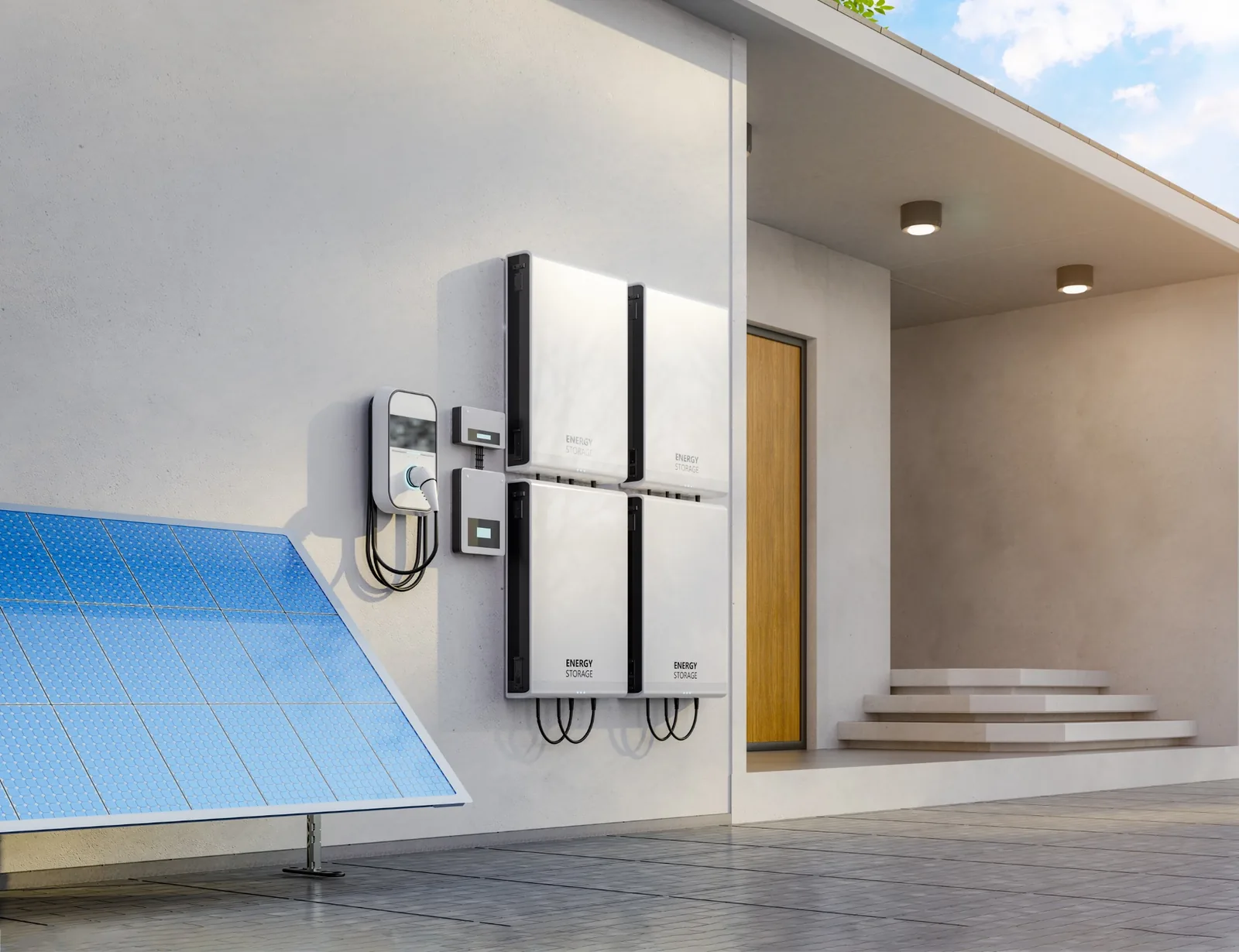
Solar must be built around your real electrical demand. A small home backup system, a larger residential solar system, a commercial 3-phase solar installation, a battery storage upgrade and a containerized commercial solar solution all need different electrical planning. Our electricians help you understand what must be backed up, what should stay on non-essential supply, where the inverter should connect, how the battery bank must be protected, how solar panel strings should be routed and how the DB board must be changed to support the system safely.
Our Gauteng-based installer teams assist with residential solar system installations and commercial solar electrical work throughout Gauteng. Larger commercial solar system installations, containerized solar system solutions and selected B2B solar projects can be considered across South Africa. Approved large-scale African projects may also be considered in countries such as Zimbabwe, Botswana, Zambia and Ghana, depending on the project scope, logistics, compliance requirements and commercial viability.
For commercial scale solar systems, you can also speak to us about project structures such as B2B solar planning, commercial solar finance discussions and PPA-style opportunities where suitable. The correct route depends on your electricity usage, operating hours, site layout, roof or ground-mount availability, grid supply, expansion plans and financial approval.
Complete electrical planning for inverters, batteries, solar panels, DB board integration, essential load circuits, isolators, surge protection and protection devices.
Electrical fault finding, solar rewiring, tripping circuits, damaged AC protection boxes, unsafe cable routes, inverter connection issues and poor labelling correction.
Commercial solar system installations, 3-phase integration, generator coordination, larger battery storage, monitoring, B2B solar planning and PPA project discussions where suitable.
Upgrade older systems, add battery capacity, replace inverters, improve protection, correct wiring concerns and prepare electrical work for solar COC support.
A solar electrical service should give you a power system that is planned, protected and practical. Your inverter, batteries, solar panels, DB board, essential circuits, generator connection and protection boxes must work together as one electrical system instead of separate pieces of equipment installed without a clear design.
Our registered electricians assist with complete solar system installations in Gauteng, including the electrical planning, cabling, protection, DB board integration, inverter wiring, battery storage installation, solar panel installation and configuration support. You are not only buying solar equipment; you are trusting the electrical system that will carry power through your home, shop, warehouse, factory, office block or commercial facility every day. You can request help for a new solar installation, an upgrade to an existing solar system, a rewiring job, a solar fault, a battery storage expansion, a solar panel addition or correction work after a poor installation.
For a home, the goal is usually dependable backup power, lower grid usage, safer essential load circuits and a system that your family can use without confusion. For a business, the goal may include reducing operating costs, limiting downtime, keeping tills and computers online, protecting cold rooms, maintaining production areas, supporting 3-phase loads or planning a commercial solar system that can grow with the company.
For larger commercial and industrial sites, solar electrical work becomes more technical. Load profiles, roof sections, transformer supply, phase balancing, cable distances, generator coordination, inverter rooms, battery ventilation, monitoring, fire access routes, protection grading and maintenance access all need attention. A commercial solar system must support the way your operation actually runs, not only the peak output printed on a quotation.
Home inverter installations, battery storage, solar panel installations, essential load wiring, DB board changes and backup power planning for daily household use.
Solar installations for offices, shops, warehouses, factories, workshops, farms, facilities, complexes and businesses needing controlled energy costs.
Existing system rewiring, inverter changes, battery upgrades, AC protection improvements, tripping fault finding and electrical compliance correction.
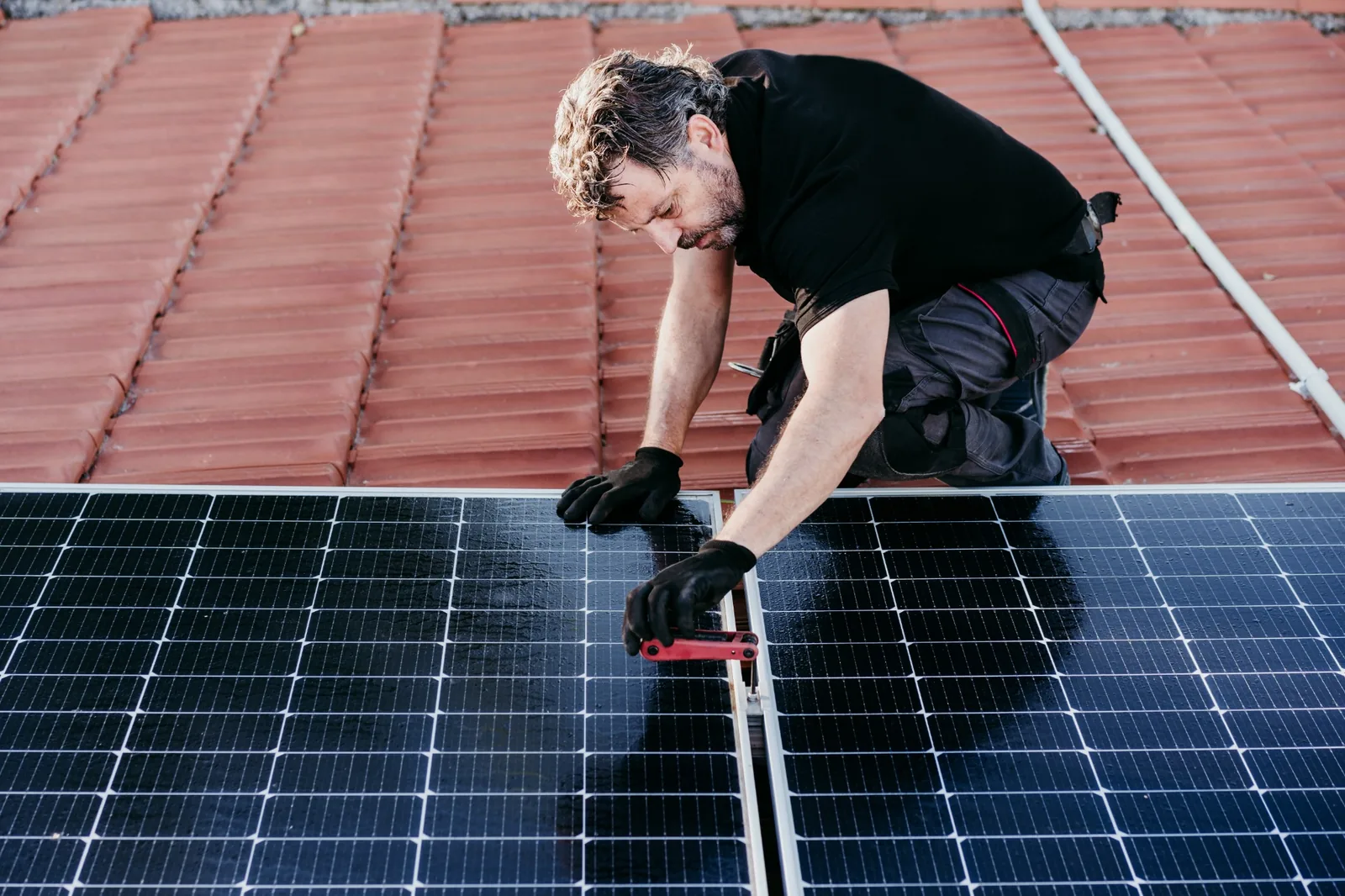
A residential solar system should make your home easier to live in during power interruptions and reduce unnecessary grid usage where the system is designed for it. You should not have to guess which plugs are on backup, why the inverter is overloaded, why the batteries are not charging or why the DB board trips when the system changes between grid, battery and solar power.
Our registered electricians assist with home solar system installations that include inverter installation, battery storage installation, solar panel installation, essential load circuits, DB board modifications, AC protection boxes, surge protection, isolators, cabling, labelling and basic operating guidance. The wiring and protection must be clear because a home solar system is used every day by people who simply need lights, plugs, Wi-Fi, security, gates, fridges and selected appliances to work reliably.
We help you plan what should be on backup and what should remain off backup. Lights, selected plug circuits, alarm systems, gate motors, Wi-Fi, fridges, freezers and home office equipment are common essential loads. Geysers, ovens, stoves, pool pumps, air conditioners, large pumps and heavy appliance circuits must be carefully planned because these loads can overload an inverter or drain batteries quickly if they are connected without proper design.
If your existing home solar system is tripping, not charging correctly, shutting down, showing inverter errors or powering the wrong circuits, our electricians can inspect the inverter AC wiring, battery layout, DB board split, essential load circuits, protection devices, neutral arrangements, isolators and visible cable routes. Many residential solar faults are caused by poor electrical integration, not by the solar panels themselves.

A commercial solar system must be designed around business continuity, operating cost control and electrical safety. A shop needs tills, lighting, fridges and card machines to stay online. An office may need computers, servers, network equipment, security systems, access control and air-conditioning circuits. A warehouse or workshop may need 3-phase supply planning, loading bay lighting, compressors, pumps, machinery circuits and careful separation between essential and non-essential loads.
Our commercial solar electrical services include inverter installation, battery storage planning, solar panel installation, 3-phase DB board integration, commercial AC protection boxes, generator coordination, monitoring support, cable route planning and staged system upgrades. We can assist with new commercial solar installations as well as correction work on existing systems that were installed without enough attention to protection, labelling, load planning or future growth.
For larger B2B solar systems, the design should consider electricity bills, operating hours, demand peaks, future expansion, roof strength, panel orientation, transformer supply, generator input, battery storage requirements and how the business will use the power during the day and after hours. Commercial solar is not only a product sale; it is an electrical infrastructure decision that can affect operations for years.
Suitable commercial scale solar projects may also be assessed for financing discussions, B2B project structuring and PPA-style opportunities. Approval, pricing, terms and suitability depend on site information, energy usage, credit assessment, project size and the final commercial scope.
The important work often happens where customers do not always look first: inside DB boards, protection boxes, inverter connections, battery cabling, cable trays, conduits, isolators, earthing points and essential load circuits.
Hybrid inverter wiring, AC input and output circuits, essential load separation, inverter protection, generator input planning where supported, communication checks and clear labels so the system can be understood after handover.
Battery storage wiring, battery protection, correct cable management, compatible battery communication, battery cabinet or wall-mount planning, safe spacing and practical access for future inspection or upgrade work.
Solar panel layout, mounting planning, string routing, DC cable protection, roof entry points, inverter compatibility checks, isolator placement and neat cable routes from the array to the inverter area.
Correctly rated breakers, isolators, surge protection, AC input and output protection, labels and safe connection points between the inverter and the main electrical distribution system.
Essential load splits, non-essential load separation, changeover planning, neutral arrangements, circuit identification, overload prevention and DB board upgrades where the existing board is unsafe or too small.
Electrical checks, correction work, isolator and protection improvements, labelling, earthing, bonding and visible wiring improvements required before a compliant sign-off can be considered.
Inverter replacements, added battery capacity, panel additions, improved protection, monitoring changes, essential load adjustments, DB board modifications and rewiring for older or undersized systems.
Correction of poor cable routes, undersized wiring, loose connections, unsafe joints, damaged trunking, poorly labelled circuits and inverter connections that were not completed neatly or safely.
Generator input wiring where compatible, changeover planning, backup supply coordination and AC-side integration so generator support does not conflict with the inverter or essential loads.

An inverter installation is the control centre of the solar power system. The inverter decides how grid power, solar power, battery power and backup circuits work together, so the electrical installation around it must be neat, correctly protected and easy to understand. If the inverter is wired incorrectly, the system may trip, overload, fail to charge batteries correctly, back up the wrong circuits or become difficult to isolate safely during maintenance and fault finding.
Our electricians install and connect solar inverters for residential solar systems, commercial solar systems and larger backup power projects where the equipment and site requirements are suitable. Inverter installation work can include AC input wiring, AC output wiring, essential load separation, inverter supply protection, output protection, bypass planning where suitable, generator input planning where supported, earth leakage consideration, surge protection, cable sizing, DB board changes, labelling and basic operating guidance.
A proper inverter installation also looks at the real loads connected to the inverter. Lights, plug circuits, fridges, Wi-Fi, tills, servers, alarm systems and access control may be suitable essential loads, while geysers, ovens, stoves, pumps, compressors and air-conditioning circuits must be assessed before they are placed on backup. This matters because an inverter is not only sized by the label on the wall; it must be matched to the connected load, the battery bank, the solar array and the way you use electricity.
For commercial inverter installations, the work becomes more detailed. A commercial site may need 3-phase planning, phase balancing, larger cable routes, multiple DB board connections, monitoring, generator coordination, protection grading and staged upgrade planning. Our electricians help ensure the inverter is integrated into the building electrical system instead of being treated as a standalone product bolted onto the wall.
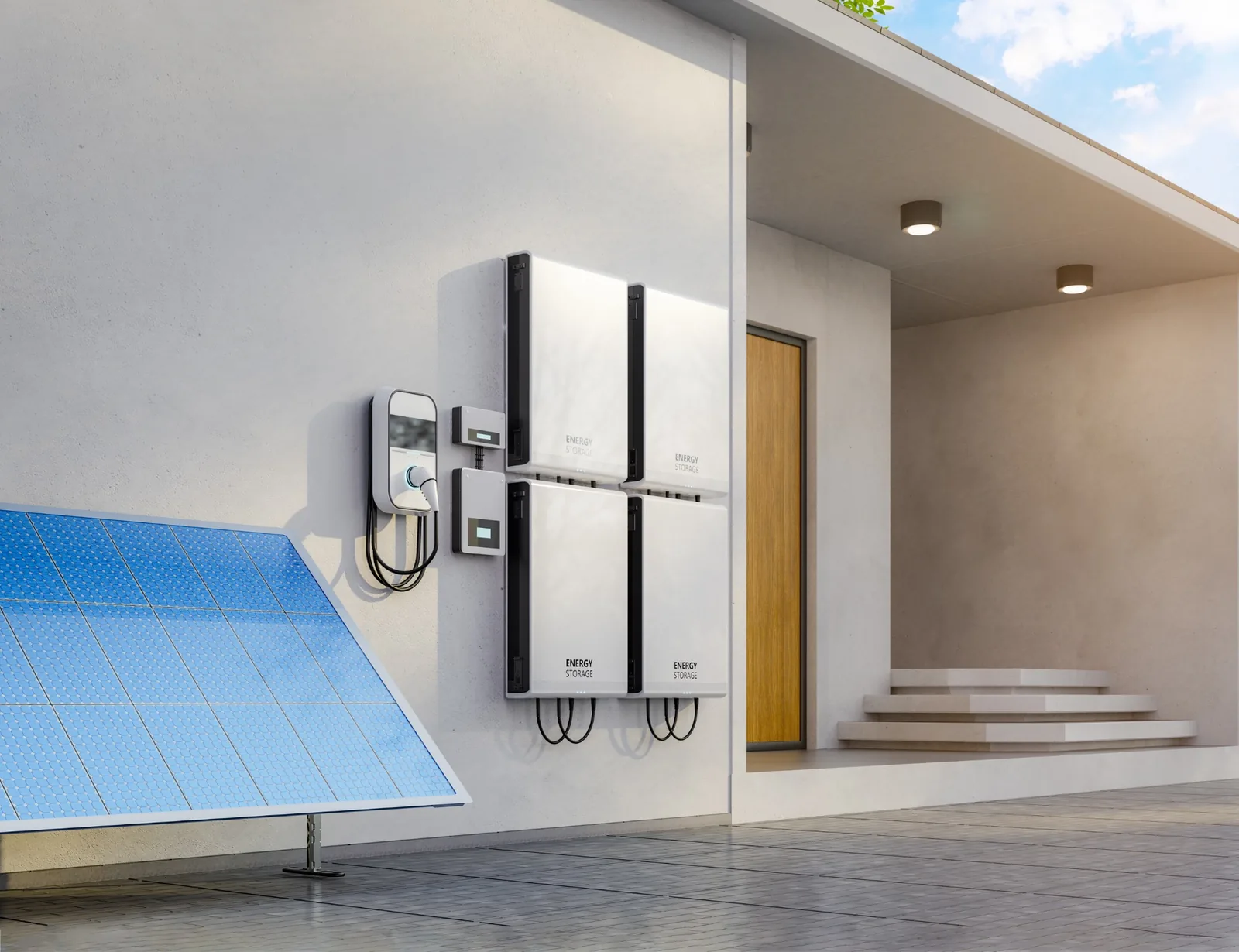
Battery storage decides how long your solar system can support your essential loads when grid power is not available or when you want to reduce electricity use after sunset. A battery storage installation must be planned around battery capacity, inverter compatibility, cable sizing, protection devices, communication cables, safe mounting, ventilation, access space and future expansion. Poor battery wiring can cause voltage drop, nuisance faults, charging problems, communication issues and unsafe heat build-up around terminals or cables.
Our electricians assist with battery storage installations for home solar systems, commercial solar systems and larger backup power projects. Battery work can include cabinet planning, wall-mount battery positioning, battery cable routing, isolators, battery fuses or breakers where required, inverter communication checks, earthing and bonding consideration, battery labelling and safe integration into the inverter system. When batteries are added to an existing solar system, we also check whether the inverter, protection and existing wiring can support the upgrade.
Battery expansion must be handled carefully. Mixing battery models, battery ages, battery capacities or unsupported combinations can create performance and warranty concerns. Before adding more batteries, the existing battery bank, inverter settings, cable sizes, protection devices and communication setup should be reviewed. A safe battery storage upgrade should improve backup time without creating new faults or making the system harder to manage.
For commercial battery storage installations, the battery bank must match the site’s operating profile. Some businesses need short backup support for tills, security and computers. Others need larger battery banks for cold rooms, production areas, warehouses, farms, remote sites or evening loads. Our electricians help connect the battery storage side of the system in a way that supports the electrical design and future service access.

Solar panel installation work must be planned before panels are placed on the roof. The roof direction, available space, shading, panel size, inverter MPPT limits, string voltage, string current, cable route, isolator position, roof entry point and future access all affect how well the solar array will perform. A neat solar panel installation should not leave unsafe cable loops, poor roof penetrations, unclear string routes or panels connected in a way that does not suit the inverter.
Our electricians assist with solar panel installations for residential roofs, commercial roofs, warehouses, farms, workshops and larger solar projects. Solar panel installation can include array layout planning, mounting coordination, string grouping, DC cable routing, DC isolator placement, inverter compatibility checks, surge protection consideration, labelling and safe connection back to the inverter. Where a system is being upgraded, the existing inverter and MPPT capacity must be checked before more panels are added.
Solar panel additions are common when a customer wants faster battery charging, better daytime production or stronger support for business loads during working hours. More panels can help, but only if the inverter can accept the additional PV input and the strings are designed correctly. Adding panels without checking voltage, current and MPPT arrangement can create faults, poor performance or equipment risk.
For commercial solar panel installations, roof sections should be matched to the load profile and system design. A business using most of its power during the day may benefit strongly from a well-designed PV array. Larger commercial sites may need staged solar panel installation, multiple roof zones, cable tray routes, inverter room planning, weatherproof isolation, fire access consideration and monitoring so production can be checked over time.
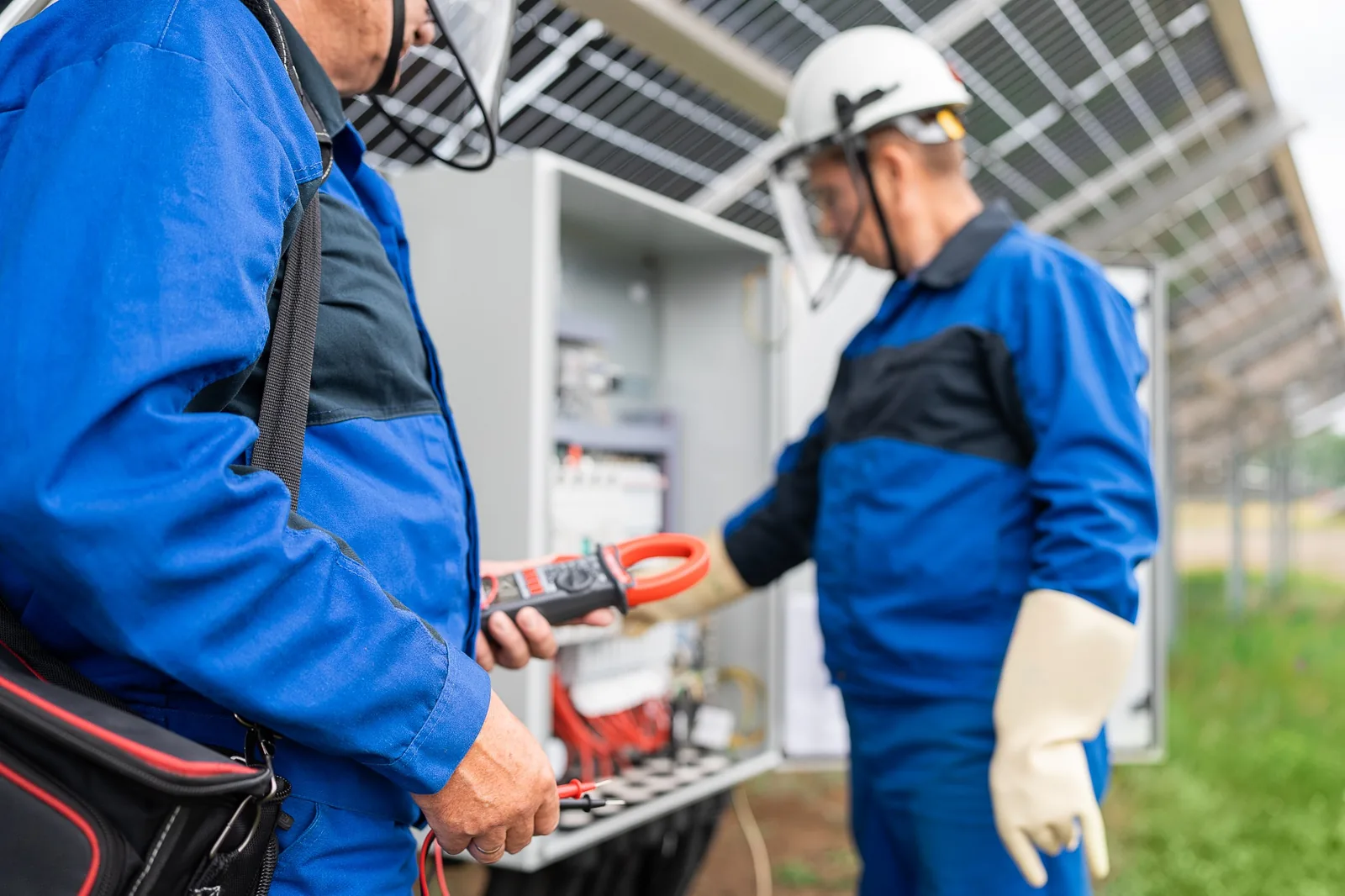
A solar inspection helps identify whether the system was installed safely, whether the inverter and batteries are connected correctly, whether the DB board integration is clear and whether the protection devices are suitable for the installation. If you purchased a property with an existing solar system, inherited an older installation, changed tenants, upgraded equipment or started seeing faults, an inspection can prevent small electrical problems from becoming bigger failures.
Our electricians inspect visible solar electrical work such as inverter AC wiring, battery cabling, AC protection boxes, DB board changes, essential load circuits, isolators, earthing, bonding, cable routes, labels, breakers, surge protection, solar panel string routes and obvious signs of heat, damage or poor workmanship. The aim is to understand the condition of the solar electrical system and identify correction work where required.
Solar inspection services are useful before adding more panels, installing a new battery bank, replacing an inverter, requesting COC support, buying a property, selling a property, expanding a commercial system or troubleshooting a system that keeps tripping. A proper inspection gives you a clearer starting point instead of guessing whether the fault is inside the inverter, battery bank, DB board, solar array or building wiring.
For commercial sites, a solar inspection can also review whether the system still matches the business load. Many businesses grow after the first solar installation. New cold rooms, additional offices, extra machinery, more staff, additional tenants or longer operating hours can change the load profile. Our electricians can inspect the existing solar setup and advise whether wiring, protection, inverter capacity, battery storage or panel capacity needs attention.

Commercial solar is a major focus of our solar electrical work because businesses often have the strongest need for predictable energy costs, operational continuity and long-term power planning. A commercial solar system can reduce daytime grid usage, support critical circuits, improve resilience during outages and help the business plan around future electricity increases. The system still needs to be designed around the actual business operation, not only around a generic inverter and battery package.
For suitable commercial clients, we can assist with discussions around commercial solar finance, B2B solar project planning and PPA-style solutions. A PPA or finance route can help a business consider solar without treating the entire project as a once-off cash purchase, but the numbers must make sense. Electricity bills, usage patterns, site ownership, roof condition, lease terms, credit vetting, operating hours, equipment selection, maintenance access and project size all influence whether a commercial solar finance route is practical.
A strong commercial solar proposal should look at more than monthly savings. It should consider the loads that keep the business running, the cost of downtime, the impact of outages, the value of protecting stock or production, the future cost of electricity, the available installation area and whether the system can expand as the company grows. Our electricians and solar teams help build the electrical side of the project so that finance discussions are supported by a realistic installation scope.
Commercial solar projects can include offices, retail stores, shopping centres, warehouses, farms, factories, workshops, cold storage facilities, sectional title complexes, schools, churches and larger business properties. Larger commercial solar system installations may be considered across South Africa, and selected approved African projects may be considered in countries such as Zimbabwe, Botswana, Zambia and Ghana where the project size, logistics, products and commercial structure support it.
A solar system that keeps tripping, shutting down, overheating, displaying inverter errors, refusing to charge batteries, failing to change over correctly or backing up the wrong circuits needs proper electrical fault finding. Guessing wastes time, risks unnecessary equipment replacement and can make the system less safe.
Our registered electricians can assist with electrical repairs on existing solar systems, especially where the issue relates to wiring, protection, DB board integration, AC protection boxes, inverter AC connections, essential load circuits, incorrect labelling, poor cable routes, loose terminations, tripping breakers, damaged isolators, overloaded circuits or unsafe installation work. We do not need to replace everything before understanding the fault. The first step is to inspect how the system was connected and identify the electrical reason for the problem.
Solar repair services by our electricians can include correcting unsafe inverter wiring, replacing damaged protection components, improving poor cable routes, identifying overloaded essential circuits, fixing badly labelled DB board changes, checking inverter input and output wiring, repairing wiring affected by heat or poor terminations and preparing the system for safe upgrade work. When the problem is caused by poor electrical integration, replacing panels or batteries will not solve the real fault.
Tripping can come from overloads, incorrect essential load wiring, earth leakage issues, poor neutral arrangements, damaged circuits or incorrectly rated protection devices.
AC input and output wiring, bypass arrangements, protection boxes, changeover wiring and load separation must be checked when the inverter does not behave correctly.
Loose cable runs, exposed conductors, poor trunking, missing labels, badly placed isolators and messy DB board work should be corrected before the system is pushed harder.
Charging problems can be caused by inverter settings, communication faults, cable concerns, battery compatibility, incorrect protection or PV input issues.
Upgrades can create problems when new panels, batteries or inverters are added without checking the existing wiring, DB board and protection layout.

The AC side of a solar installation is one of the most important parts of the job. The inverter must be connected to the building through correctly rated protection devices and a clear DB board arrangement. If the AC protection box is missing, undersized, poorly labelled, badly wired or placed in the wrong position, future fault finding becomes difficult and the installation can become unsafe.
Our electricians assist with solar AC protection boxes, inverter input and output protection, bypass arrangements where suitable, isolators, surge protection, essential load circuits, breaker sizing, cable sizing, labelling and DB board integration. This is especially important for hybrid solar systems where grid, inverter, battery and solar generation all interact with the building electrical system.
When an existing DB board is overcrowded, damaged, outdated or poorly labelled, it may need to be repaired or upgraded before a solar system is added. Solar does not fix an unsafe DB board. It places new demands on the electrical installation, so the DB board must be able to support the system safely.
Containerized solar system solutions are suitable for larger commercial, agricultural, industrial or remote sites where the inverter system, battery storage, switchgear, monitoring and protection equipment need to be housed in a dedicated power container or structured energy area. This approach can make larger systems more organised, easier to manage and more practical for sites that need controlled access to electrical equipment.
Large commercial solar projects require more than standard residential installation thinking. The design must consider electrical demand, generator backup, grid supply, transformer capacity, 3-phase distribution, battery storage, inverter sizing, roof or ground-mount arrays, cable distances, earthing, ventilation, protection grading, monitoring and maintenance access. A containerized solar system can also support phased expansion where the project is planned correctly from the beginning.
Our teams are based around Gauteng for normal solar electrical services. Larger commercial solar system installations can be considered across South Africa, and selected approved African projects may be considered in countries such as Zimbabwe, Botswana, Zambia and Ghana. The decision depends on project size, location, logistics, design requirements, approved products, compliance needs and commercial feasibility.
A commercial solar system can be a large capital decision. For suitable businesses and larger projects, you can discuss commercial solar finance routes, B2B project planning and PPA-style structures where the site, usage profile and commercial terms make sense.
Commercial solar finance is not a one-size-fits-all promise. A proper discussion needs electricity bills, operating hours, load profile, site ownership or lease details, roof or land availability, credit vetting, project size, equipment requirements and expected savings. Once the practical and financial information is clear, the project can be assessed more responsibly.
For B2B solar projects and PPA discussions, the electrical design and commercial model must support each other. A system that looks attractive on paper can disappoint if the load profile was misunderstood, if the roof area is unsuitable, if battery storage is undersized, if production hours do not match business demand or if the DB board and 3-phase supply were not reviewed correctly. Our role is to help bring the electrical reality into the project early so the commercial solar solution is practical before finance terms are finalised.
Commercial solar is strongest where daytime electricity use is consistent and measurable. Warehouses, offices, factories, retail stores, cold storage sites, farms, schools, churches, workshops and sectional title facilities may all benefit from a structured commercial solar assessment. The best projects usually start with electricity bills, site photos, roof information, business operating hours and a clear list of the loads that matter most.
For businesses, the biggest benefit is not only lower energy cost. Solar can also reduce exposure to rising electricity tariffs, support operational continuity, improve planning around backup power, assist with sustainability goals and give the business a clearer long-term energy strategy. The electrical design still needs to come first because a poorly integrated financed system can create operational problems later.
Useful for businesses that need a structured solar proposal around electricity usage, operating hours, essential loads, storage requirements and future expansion.
Suitable commercial projects may be reviewed for PPA-style structures where the site, consumption profile, credit assessment and project size support it.
Electricity bills, site ownership details, roof photos, load profile, operating hours and commercial requirements help determine whether a finance or PPA route can be reviewed.
Commercial solar can be structured around reducing daytime grid usage, supporting critical loads and giving the business better control over long-term electricity costs.
Plan inverters, battery storage, panel capacity, DB board space and monitoring so the solar system can grow with the business instead of being rebuilt later.
Clear planning prevents expensive mistakes. The more information you provide upfront, the easier it is to recommend the correct inverter, battery storage, solar panel capacity, protection layout and DB board changes.
Tell us whether you need a new solar system installation, solar upgrade, inverter installation, battery storage, panel installation, rewiring, repair or COC support.
Photos of your DB board, inverter area, roof space, existing equipment and supply type help us understand the electrical starting point.
We look at essential loads, inverter size, battery storage, solar panel capacity, AC protection, DB changes, generator input and future upgrades.
Our electricians complete the wiring, protection, labelling, connection work and configuration support needed for a practical solar electrical installation.
These answers cover common customer questions about solar electrical services in gauteng and explain how our electricians can assist with the fixed electrical installation.
You can request complete residential and commercial solar installations, inverter installations, battery storage systems, solar panel installations, solar AC and DC protection, DB board integration, essential-load circuits, solar rewiring, system upgrades, electrical fault finding, inspection work and electrical compliance correction work on existing solar systems.
Yes. A residential solar system can include a hybrid inverter, lithium battery storage, solar panels, AC and DC protection, isolators, surge protection, essential-load distribution, DB board changes, monitoring and the electrical integration needed to connect the system to the home.
Yes. Commercial solar projects can include three-phase electrical integration, larger inverter systems, battery storage, substantial solar arrays, generator coordination, monitoring, commercial DB board work and staged energy upgrades for offices, warehouses, factories, farms, retail properties and other high-consumption sites.
Yes. Larger commercial and industrial projects are approached as site-specific energy projects rather than standard residential packages. Planning can involve electricity bills, interval or load information where available, operating hours, three-phase distribution, roof or ground-mount space, commercial inverters, battery storage, generator integration and future expansion.
Yes. Suitable commercial and industrial projects may use containerised or modular inverter and battery solutions where energy infrastructure must be delivered in a scalable format. These projects require project-specific design, load assessment, distribution planning, protection, monitoring and coordination with the wider electrical installation.
For suitable B2B and commercial solar projects, we can discuss commercial solar finance and Power Purchase Agreement style structures. Project suitability depends on the customer, site, electricity consumption, operating profile, project economics and the commercial approval process.
Recent electricity bills, the business location, operating hours, property type, single-phase or three-phase supply information, roof or ground-mount space, generator details, existing solar equipment and a description of future expansion are useful. Larger projects may need more detailed load or interval data before a final system can be planned.
Yes. Hybrid inverters are commonly used where a property needs solar generation, battery storage and grid or generator support in one coordinated system. The inverter must be selected around the electrical load, PV input limits, battery compatibility, phase configuration and the way essential and non-essential circuits will be distributed.
Inverter sizing should consider the electrical loads that may operate at the same time, not only monthly electricity consumption. Geysers, ovens, air conditioners, pumps, refrigeration, compressors and machinery can create high running or starting demand, and three-phase properties may require a different system architecture from a single-phase home.
Often yes, provided the electrical design and chosen equipment support future expansion. The inverter, battery platform, PV input capacity, DB board integration and available installation space should be considered from the beginning so later expansion does not create an unnecessarily complicated or mismatched system.
Yes. Battery storage can be installed as part of a new solar or backup power system. The battery bank should be matched to the inverter, required backup duration, usable capacity, discharge capability, charging requirements and the amount of electrical load the customer expects the system to support.
Battery sizing depends on how much energy the selected loads use and how long those loads must operate without normal utility supply. A home running lights, Wi-Fi and refrigeration has a different requirement from a restaurant protecting cold storage or a commercial property supporting servers, pumps or production equipment.
Possibly. Battery expansion depends on the battery model, inverter compatibility, communication method, existing battery age and condition, maximum supported battery capacity and the manufacturer's rules for parallel or stacked battery banks. The current system should be checked before additional batteries are ordered.
Yes, where the existing inverter and electrical system are suitable. A panel-only expansion still needs correct PV string planning, inverter voltage and current checks, mounting consideration, DC cable routes, isolation, protection and confirmation that the inverter can accept the additional array.
Panel quantity should be based on the customer's energy use, daytime load, inverter PV input limits, available roof or ground-mount space and the electrical goal of the system. Adding the maximum number of panels without checking inverter voltage, current and string design can create a poor or non-compliant installation.
Yes. Existing arrays can be assessed for expansion or replacement where the inverter, string design and available space allow it. Different module electrical characteristics must be considered carefully before old and new panels are mixed on the same MPPT or string.
Yes. Electrical support on existing solar systems can include rewiring, correction of unsafe cable routes, AC protection repairs, damaged isolators, DB board integration problems, essential-load circuit issues, poor labelling, inverter supply faults and correction work before a system is expanded.
Yes. We can inspect the visible electrical installation, DB board integration, AC protection, DC isolation, inverter connections, battery cabling, cable routes, labelling and other accessible electrical concerns. Where specialist internal product faults are suspected, the inverter or battery manufacturer may also need to be involved.
Yes. Repeated tripping may involve the AC supply, inverter output circuit, essential-load distribution, earth leakage interaction, damaged wiring, faulty connected equipment or another electrical fault. The affected circuit and the conditions under which the trip occurs should be investigated before protective devices are simply replaced.
Yes. Solar AC protection can include suitable circuit breakers, isolators, surge protection and clearly identified inverter input and output circuits. The exact arrangement depends on the inverter, supply, DB board and overall system design.
Yes. Solar electrical work can involve PV string wiring, DC cable routes, connectors, isolators, protection and inverter PV inputs. DC work must be approached carefully because solar arrays can remain energised whenever sufficient light is present.
Yes, where the inverter and generator are suitable for the intended configuration. A generator may be used as an AC source for a compatible inverter or may support selected circuits through a planned switching arrangement. Generator quality, inverter settings, protection and source separation must be considered.
Many compatible inverter systems can use a generator as an AC source for battery charging, but the available generator output, property load and inverter charge settings all affect the arrangement. Manufacturer requirements should be checked before assuming that any generator can be connected to any inverter.
Some hybrid inverter systems can accept solar generation while a compatible generator is available as an AC source. The exact behaviour depends on the inverter architecture, battery communication and programmed settings, so the equipment documentation and system design must be checked.
Yes. Essential-load planning allows selected circuits to remain supplied by the inverter and battery system while high-demand or non-essential loads remain outside the backup side. The correct split depends on inverter capacity, battery capacity and the customer's real priorities during a power failure.
Possibly, but these loads can consume substantial power and may materially increase inverter and battery requirements. The decision should be based on the appliance rating, how long it operates, whether other loads run at the same time and the available solar and battery capacity.
Yes. Three-phase commercial and larger residential solar systems require careful planning around phase distribution, inverter architecture, existing DB boards, essential loads, generator integration and the electrical characteristics of the site.
Yes. Solar upgrades can include inverter replacement, additional battery storage, PV expansion, essential-load changes, AC protection improvements, DB board work and rewiring. The existing equipment and electrical installation should be assessed first so the upgrade is compatible and does not simply add new equipment onto an unsuitable layout.
Yes. Solar electrical work that forms part of the fixed electrical installation must be handled within South Africa's electrical compliance framework. We can assist with inspection, correction work and the electrical items that need attention before applicable compliance certification is completed by an appropriately registered person.
A business carrying out electrical installation work as an electrical contractor must be registered in terms of the Electrical Installation Regulations. Solar companies may also provide PV design, equipment and specialist solar services, but fixed electrical installation work remains subject to the electrical regulatory framework.
A solar installer may specialise in PV system design, mounting, equipment and solar project delivery. Electrical installation work is regulated separately. Electrical contractors must meet the registration requirements in the Electrical Installation Regulations, and electrical compliance certification is the responsibility of an appropriately registered person.
No. The PV GreenCard is an industry safety, quality-assurance and installer training programme with an as-built reporting process for participating installation companies. It does not replace the statutory Electrical Certificate of Compliance for the electrical installation.
Registration requirements depend on the electricity service provider and the way the system is connected. Eskom customers with applicable embedded-generation systems must follow Eskom's current SSEG process, while municipal customers must follow the requirements of the relevant municipality or electricity distributor.
Eskom states that customers who are fully off-grid and not connected to the Eskom network are not required to register as SSEG customers, provided the system can be shown to operate independently of Eskom supply. A system that remains connected to the network is a different situation even where export is disabled.
We can assist with the electrical and project information needed for suitable solar installations and help identify the approval route relevant to the property. Eskom and municipal processes can differ, and larger commercial projects may require additional engineering, grid-connection or project documentation.
Our electrical service focus is Gauteng, while suitable larger commercial solar projects may be considered more broadly depending on project size, location, design requirements and installation logistics. Large projects should be discussed with the team so the scope and service area can be confirmed.
Send the property location, property type, whether the supply is single-phase or three-phase, recent electricity usage or bills if available, photos of the DB board where safe, roof type, available panel area and a clear description of whether you need a full solar system, inverter backup, batteries, panels or a commercial energy project.
Contact Electrician Electricians for solar electrical services in Gauteng, including inverter installations, battery storage, solar panels, solar electrical repairs, system upgrades, DB board integration, generator coordination and commercial solar project enquiries.
Tell us whether you need a new solar system, inverter installation, battery storage, solar panel work, repairs, an upgrade or a larger commercial solar solution. Send your Gauteng location and available system or electricity information so our team can understand the project.