
Complete Electrician and Solar FAQ for Gauteng Customers
Find detailed answers to more than 130 real customer questions about electrical repairs, COC certificates, DB boards, wiring, solar panels, inverters, batteries, generators, commercial systems and long-term maintenance.
This page is designed as a practical reference for homeowners, businesses, property managers, installers and customers planning backup power or renewable-energy projects. The answers explain what information matters, what warning signs require attention and how electrical and solar systems should be planned safely.
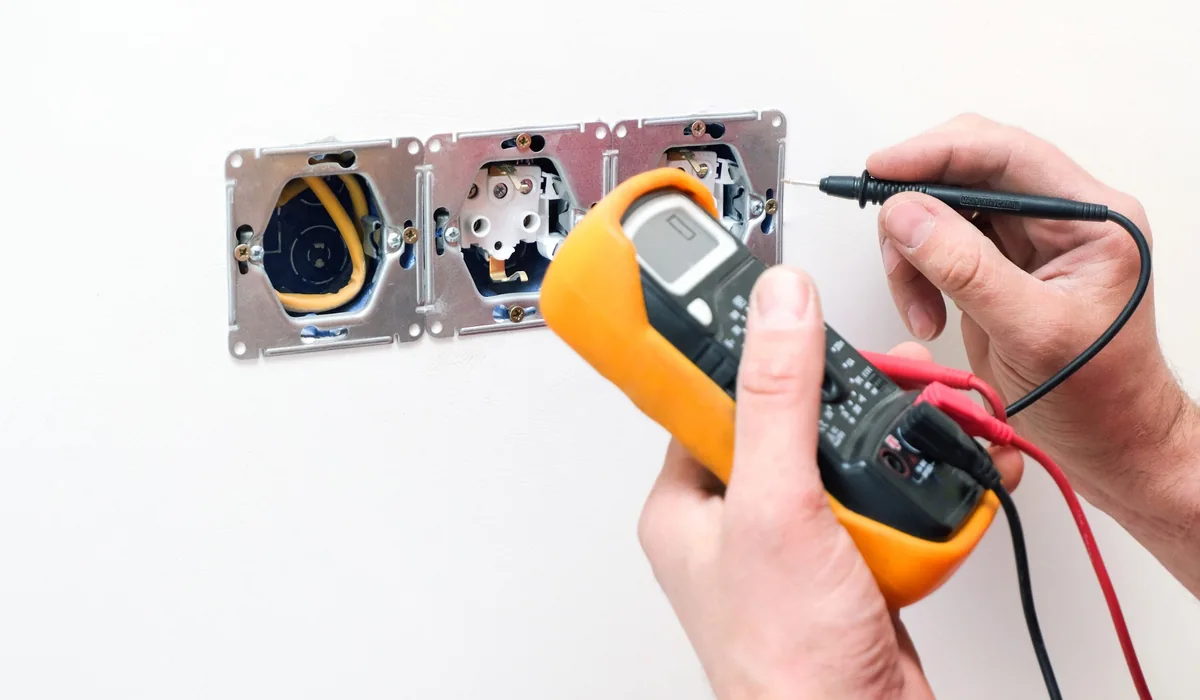
Browse More Than 130 Electrical and Solar Questions by Topic
Choose the subject closest to your fault, installation or energy project. The expanded FAQ covers common customer questions as well as detailed solar inverter, battery, panel, generator and compliance topics.

Electrical Safety Comes Before a Quick Temporary Fix
A breaker, earth leakage device or isolator usually operates because the installation has detected a condition that needs attention. Repeatedly resetting protection, fitting a larger breaker or bypassing a safety device can make the situation more dangerous.
Switch off and keep clear of exposed wiring, smoke, sparks, burning smells, hot electrical points or water near electrical equipment. Contact an electrician instead of opening the DB board or attempting an improvised connection.
Booking, Call-Outs and Quotations
Answers about contacting us, preparing an enquiry, quotations, service areas and what customers can expect before electrical work begins.
How do I request an electrician in Gauteng?
Call us on 078 768 8491, send us a WhatsApp message, or complete the quotation form. Tell us your suburb, the property type and what is happening. For example, mention whether the power is tripping, a plug or breaker is hot, part of the property has no power, or you need a new circuit or installation. Clear information helps us guide you to the right electrical service before attendance.
Do you charge a call-out fee?
We advertise no call-out fees for our Gauteng electrical service offering. The actual work, testing, materials, repairs or project requirements are still quoted according to the job. Where a specialised inspection or separate assessment is needed, we will explain that before work proceeds so the cost is not presented as a surprise.
What information should I send when asking for a quote?
Please send your name, contact number, suburb, property type and a useful description of the electrical problem or planned work. Include the affected circuit, appliance or equipment where known. For solar, generators, EV chargers, air-conditioning or commercial equipment, include the equipment size, model information and whether the property has single-phase or three-phase power where possible.
Can I send photos or videos on WhatsApp?
Yes. Photos or short videos can help us understand a visible DB board problem, damaged socket, existing generator connection, inverter installation or equipment nameplate. Photos are optional and should only be taken where it is safe. Do not remove electrical covers, touch exposed wiring or approach a burning or energised component to take a picture.
Do you assist homes, businesses and industrial properties?
Yes. We assist residential, commercial and light industrial customers across Gauteng. The work may involve one faulty circuit in a home, electrical repairs in a shop or office, three-phase distribution at a workshop, maintenance at a managed property, or electrical integration for generators, solar systems and equipment.
Which Gauteng areas do you serve?
Our service focus includes Johannesburg, Pretoria, Centurion, Midrand, Sandton, Randburg, Roodepoort, the East Rand, West Rand, the Vaal and surrounding Gauteng areas. Availability depends on the location, electrician schedule and type of work. Send us your suburb so we can confirm the practical next step.
Can I book an electrician for a specific date and time?
Yes, subject to electrician availability and the urgency of existing bookings. Send your preferred date, time window, suburb and job description. Planned installations are easier to schedule than emergency faults because the required materials and access arrangements can be confirmed in advance.
Will you quote before starting the work?
Where the scope can be established before attendance, we can provide a quotation or estimated range. Electrical faults sometimes require testing before the exact repair is known. In that case, we explain the diagnostic work and obtain approval before carrying out additional repairs or replacing components.
Can someone else provide access to the property?
Yes. A tenant, caretaker, employee, security representative or property manager may provide access if they are authorised to do so. Please confirm the contact person, access procedure and who may approve the work and any additional costs.
Do I need to be at the property during the electrical work?
Not always. For straightforward planned work, an authorised representative may be sufficient. For fault finding or decisions that affect circuit priorities, equipment placement or project scope, it is useful for the owner or responsible person to be reachable by phone.
Can you assist after normal business hours?
Urgent electrical support may be available after hours depending on location, electrician availability and the nature of the fault. Provide a clear description of the risk, whether the property has no power, and whether there is heat, smoke, exposed wiring or water near electrical equipment.
Do you provide written quotations for insurance or body-corporate approval?
Yes. We can prepare a written quotation describing the proposed electrical work, subject to the information and inspection findings available. Insurance, body-corporate and commercial approvals may require photographs, fault reports, itemised materials or a defined scope.
Can you supply the materials as part of the job?
Yes. Most electrical work can be quoted with the required materials, protective devices, cable, sockets, lighting components or switchgear. Product availability and final quantities may depend on the installation condition and measurements taken on site.
What happens if the fault cannot be reproduced during the visit?
We review the circuit history, affected equipment, breaker behaviour, weather conditions and any photos or error messages. Intermittent faults may require staged isolation, monitoring or a follow-up visit when the conditions that trigger the problem are present.
Tripping Power, Fault Finding and Emergency Repairs
Practical guidance for repeated trips, partial power, hot electrical points, burning smells, intermittent faults and urgent electrical hazards.
Why does my electricity keep tripping?
Repeated tripping can be caused by an overloaded circuit, damaged wiring, moisture, a faulty appliance, a loose connection, an earth leakage fault or a breaker reacting to a genuine electrical problem. Resetting the breaker repeatedly does not identify the cause. We inspect and test the affected circuits so the repair addresses the fault instead of only restoring power temporarily.
What should I do if the earth leakage keeps tripping?
Unplug non-essential appliances if it is safe to do so and avoid repeatedly forcing the earth leakage back on. The fault may be linked to an appliance, moisture, damaged wiring or a neutral-earth problem. Because the earth leakage is an important protective device, it should not be bypassed. Arrange electrical fault finding if the trip continues or the cause is unclear.
Is a warm plug, switch or circuit breaker dangerous?
Heat is a warning sign. It can result from loose terminals, damaged contacts, overloading, poor connections or a failing component. Stop using the affected point where practical and arrange an inspection. Burning smells, discolouration, melting, smoke or crackling require urgent attention and the circuit should not be relied on until it has been checked.
Why do I have power in only part of the property?
Partial power loss may involve a tripped breaker, failed circuit, loose supply connection, damaged neutral, DB board problem or an issue affecting one phase of a three-phase supply. The electrician needs to establish whether the problem is inside the property or on the incoming supply side before the correct repair can be recommended.
Can you find intermittent electrical faults?
Yes. Intermittent faults can be difficult because the installation may appear normal when the electrician arrives. Useful clues include which breaker trips, the time of day, weather conditions and which equipment was operating. We use that history together with circuit isolation, visual inspection and electrical testing to narrow the fault.
When is an electrical fault an emergency?
Treat exposed live wiring, smoke, sparks, a burning smell, a hot DB board, water near electrical equipment, repeated supply failure or a shock from an appliance as urgent. Keep people away from the affected area, switch off the relevant supply only if it is safe, and contact an electrician. Do not open the DB board or attempt temporary connections.
Why does the power trip when I use the kettle, microwave or heater together?
Several high-demand appliances on one circuit can exceed the circuit rating and trip the breaker. The electrician should confirm the actual load, cable size, breaker rating and circuit arrangement. Adding a larger breaker without checking the cable is unsafe.
Why does the earth leakage trip when it rains?
Rain-related tripping often points to moisture entering an outdoor fitting, cable joint, pump, gate motor, light, socket or damaged enclosure. The affected circuits should be isolated and tested. Outdoor electrical equipment must be suitable for the environment and properly sealed.
Why do my lights flicker when a pump or motor starts?
Motors and pumps draw a higher starting current than their normal running current. Flickering may indicate voltage drop, an undersized circuit, loose connections, a weak supply, poor phase distribution or a problem with the equipment itself.
What causes a buzzing sound from the DB board?
Buzzing may come from a loose connection, contactor, relay, breaker, transformer or device carrying an abnormal load. A persistent or worsening sound should be inspected, especially if accompanied by heat, smell, discolouration or intermittent power.
Why does a breaker trip but feel normal when reset?
A breaker may trip because of an overload, short circuit, earth fault or connected equipment problem even if it feels normal afterwards. The fault can be intermittent or load-dependent. Testing should focus on the circuit and connected loads, not only the breaker.
Can a faulty appliance trip the whole house?
Yes. An appliance fault can operate the earth leakage or a shared protective device and disconnect several circuits. Appliances with heating elements, motors, moisture exposure or damaged leads are common causes, but the fixed wiring must also be checked.
Why does the main switch trip instead of an individual breaker?
The main protective device may operate when the total property load is too high, when the fault is upstream of individual circuits, or when discrimination between protective devices is poor. The supply, load and protective-device arrangement should be assessed.
What should I do after an electrical shock from an appliance?
Stop using the appliance, isolate the circuit if it is safe, and seek medical advice where appropriate. Arrange an electrical inspection before reconnecting the equipment. The cause may involve damaged insulation, earthing, polarity or leakage current.
Can loose neutral connections damage appliances?
Yes. A loose or damaged neutral can cause unstable voltage, flickering, equipment malfunction and serious damage, especially on three-phase systems. Signs such as lights becoming unusually bright or dim require urgent investigation.
Why do LED lights glow faintly when switched off?
A small leakage current, incompatible dimmer, electronic switch, shared neutral or induced voltage can cause some LED lamps to glow. The switching and circuit arrangement should be checked, particularly if the behaviour started after alterations.
DB Boards, Breakers, Earth Leakage and Protection
Questions about distribution-board repairs, protective devices, surge protection, overheating, circuit labelling and electrical upgrades.
What is the purpose of an earth leakage device?
An earth leakage device disconnects the supply when it detects current leaking from the intended circuit path. It reduces the risk of electric shock and fire, but it does not replace correct earthing, circuit protection or safe wiring.
How do I know whether my DB board is overloaded?
Warning signs include frequent trips, heat, burnt smells, crowded wiring, multiple circuits added to one breaker and insufficient space for required protection. A load and circuit assessment is needed before adding more equipment.
Should every circuit in the DB board be labelled?
Clear circuit labels help users and electricians isolate the correct supply during maintenance or emergencies. Labels should describe the actual circuits and be updated when alterations are made.
What is surge protection and do I need it?
Surge protection helps limit transient overvoltage from lightning activity, switching events or supply disturbances. The correct device, earthing and installation position matter. Sensitive electronics, solar systems and commercial equipment can benefit from coordinated protection.
Why is my circuit breaker hot?
Heat can be caused by overloading, loose terminals, poor contact, damaged conductors, a failing breaker or an unsuitable enclosure. A hot breaker should not be ignored because heat can damage adjacent components and insulation.
Can an old fuse board be upgraded to circuit breakers?
Yes, subject to inspection of the existing wiring, earthing and supply. The upgrade should include appropriate protective devices, labelling, enclosure space and correction of unsafe alterations found during the work.
What is the difference between a main switch, breaker and isolator?
A main switch or isolator provides a means of disconnection, while a circuit breaker also protects against overcurrent. The exact functions depend on the device and installation. Correct selection and labelling prevent dangerous assumptions.
Why does the DB board need space for solar or an EV charger?
Solar inverters, essential-load boards, surge protection, isolators and EV charger circuits require dedicated protective devices and clear segregation. An overcrowded board may need expansion or a separate sub-board.
Can several circuits share one earth leakage device?
Yes, but a fault on one circuit may disconnect all circuits protected by that device. Splitting circuits across suitable protection can improve fault isolation, subject to the installation design and applicable requirements.
What is phase balancing in a three-phase DB board?
Phase balancing distributes loads across the three phases to reduce imbalance, voltage problems and unnecessary stress on the supply. Large single-phase loads should be considered when planning commercial or industrial circuits.
Wiring, Rewiring, Plug Points, Lighting and New Circuits
Customer questions about damaged wiring, old installations, new sockets, dedicated circuits, lighting faults and renovation electrical work.
When does a DB board need repairs or an upgrade?
A DB board may need attention when breakers trip repeatedly, terminals overheat, wiring is damaged or crowded, labels are unclear, protection is missing, or new loads such as solar, an EV charger, air-conditioning or machinery are being added. An upgrade should be based on the existing circuits, supply capacity and future electrical demand, not only on fitting a larger enclosure.
Can I replace a tripping breaker with a larger breaker?
No, not without confirming that the cable and circuit were designed for the higher current. A larger breaker can remove protection from wiring that may already be overloaded or damaged. The correct approach is to identify why the breaker trips and then match the protective device to the cable, load and installation requirements.
Do you install new plug points and dedicated circuits?
Yes. We assist with new sockets, replacement plug points, dedicated appliance circuits and circuit extensions where the existing installation can support the work safely. The cable size, breaker, earth leakage protection, route and local isolation must suit the connected load. High-demand equipment should not simply be added to a convenient existing plug circuit.
When does a property need rewiring?
Not every older property needs a complete rewire. Rewiring may be required where insulation is deteriorated, wiring has been repeatedly altered, circuits are unsafe, earthing is inadequate or faults are widespread. In some cases, only damaged sections or selected circuits need replacement. Inspection and testing should determine the scope.
Can you repair flickering lights and faulty light circuits?
Yes. Flickering or failed lighting can be caused by loose connections, faulty switches, damaged fittings, LED driver problems, poor dimmer compatibility, moisture or a circuit fault. We inspect the supply and fixed wiring so the solution is not limited to replacing a lamp when the actual problem is elsewhere.
Do outdoor electrical points need special protection?
Yes. Outdoor plugs, lighting, pumps, gate circuits and equipment must be suitable for the environment and protected against moisture, physical damage and electrical faults. Correct enclosures, cable routes, earthing, isolation and protective devices matter. Repeated trips after rain are a strong reason to arrange testing.
Can you add a plug point without damaging the wall?
The cable route determines how much surface or wall work is needed. Options may include existing conduits, ceiling spaces, trunking or carefully planned chasing. We discuss the route and finish before installation.
Do ovens, geysers and air-conditioners need dedicated circuits?
High-demand or fixed appliances commonly require dedicated circuits with suitable cable, protection and isolation. The appliance rating and manufacturer requirements determine the final arrangement.
Why do plug points become loose?
Wear, poor-quality accessories, damaged mounting boxes, repeated force or loose terminations can cause sockets to move. A loose socket can expose wiring or create heat and should be repaired.
Can extension leads be used permanently?
Extension leads are intended for temporary use and can be overloaded, damaged or routed unsafely. Permanent equipment should have properly installed outlets or dedicated circuits where required.
What causes lights to fail repeatedly?
Repeated lamp failure can be caused by poor-quality lamps, excessive heat, loose connections, voltage problems, incompatible drivers or fittings, moisture or vibration. The circuit and fitting should be checked when replacement lamps keep failing.
Can you install outdoor and security lighting?
Yes. We install and repair outdoor, security, garden and commercial lighting. Equipment must be suitable for weather exposure, and cable routes, switching, sensors and protection should be planned for safe maintenance.
What wiring is needed for a home renovation?
Renovations may require new lighting, sockets, appliance circuits, geyser or oven supplies, DB board changes and future provisions for solar, air-conditioning or EV charging. Planning before walls are closed avoids costly rework.
Is aluminium wiring safe?
Aluminium conductors require appropriate terminations, devices and workmanship. Older or poorly altered aluminium wiring can develop loose, hot connections. An inspection should determine whether correction or replacement is needed.
Why does a light switch crackle?
Crackling can indicate loose contacts, arcing, a damaged switch or a load that the switch is not designed to control. Stop using the switch and arrange replacement and circuit inspection.
Can data cables and electrical cables share the same conduit?
Power and data cabling generally require appropriate separation to reduce interference and maintain safety. The route and containment should be planned according to the cable types and installation requirements.
Electrical COC Certificates, Inspections and Safety Compliance
Clear answers about Certificates of Compliance, inspection preparation, corrective work, property sales and fixed electrical installations.
What is an Electrical Certificate of Compliance?
An Electrical Certificate of Compliance, commonly called an Electrical COC, records that the electrical installation covered by the certificate has been inspected and complies with the applicable safety requirements at the time of testing. It relates to the fixed installation and should accurately describe the premises and scope covered.
When is an Electrical COC commonly required?
A valid COC is commonly requested during a property sale, after electrical alterations, for insurance or compliance purposes, and when a landlord, body corporate or property manager needs proof of the installation condition. The exact requirement depends on the transaction and the electrical work completed.
Can a COC be issued if faults are found?
The installation must meet the required safety standard before a compliant certificate can be issued. If faults are found, we explain the corrective work that is needed. The repairs may include DB board corrections, earthing, damaged wiring, missing protection, unsafe connections, labelling or other installation defects.
Does a COC cover appliances and portable equipment?
A standard electrical installation COC generally relates to the fixed electrical installation rather than every portable appliance. Permanently connected equipment and the circuits supplying it may form part of the inspection. Separate appliance testing or equipment certification may be required for other purposes.
Does adding solar, a generator or an EV charger affect the COC?
New fixed electrical work can affect the installation and may require inspection, testing, documentation and an updated or supplementary certificate for the work completed. The DB board, protection, isolation, earthing and supply arrangement must remain compliant after the new system is connected.
How can I prepare for an electrical inspection?
Make the DB board and electrical points accessible, advise us about known faults and previous alterations, and provide any existing certificates or system documents you have. Do not hide or temporarily disconnect faulty work before the inspection. Accurate information helps the electrician understand the installation history.
How long is an Electrical COC valid?
A COC records the condition and scope of the installation at the time it was issued. It does not guarantee that no later faults or alterations will occur. Property-transfer and regulatory requirements should be confirmed for the specific transaction.
Can I use a COC issued before renovations?
A certificate issued before electrical alterations may not cover the changed work. New circuits, DB board modifications, solar installations, generators, EV chargers and other fixed additions may require inspection and additional certification.
Who is allowed to issue an Electrical COC?
The certificate must be issued by a person authorised and registered to inspect, test and certify the relevant electrical installation. Customers should retain the signed certificate and any test documentation.
What happens if the seller cannot find the existing COC?
The property may need a new inspection and certificate, subject to the sale requirements and installation condition. Faults found during the inspection must be corrected before certification.
Does a rental property need an Electrical COC?
Landlords should ensure the electrical installation is safe and compliant. A COC may be required for property transactions, alterations or other legal and insurance purposes. The exact requirement should be confirmed for the situation.
Can you correct faults identified by another inspector?
Yes. Provide the inspection report or defect list. We can assess the required corrective work, quote for repairs and arrange the appropriate testing and certification process after completion.
Does replacing a light fitting require a new COC?
Minor maintenance does not always require a completely new certificate, but new or altered fixed wiring must be compliant and may require certification. The scope of the work determines the documentation needed.
What documents should I receive after a solar installation?
Documentation may include equipment manuals, warranties, commissioning information, diagrams, protection details and the relevant electrical certificate for the completed fixed installation work.
Residential Electrician Questions
Common questions from homeowners, landlords, tenants, body corporates and customers planning home electrical repairs or improvements.
Can you help with electricity tripping in an apartment or townhouse?
Yes. We first determine whether the fault is inside the unit, in a shared distribution area or on the building supply. Access to shared electrical rooms may require body-corporate or property-manager approval.
Do you install circuits for home offices?
Yes. Home offices may need dedicated sockets, reliable lighting, surge protection, backup-power integration and separation from high-demand household loads.
Can you check the electrical installation before I buy a house?
Yes. A pre-purchase electrical inspection can identify visible defects, DB board concerns, unsafe alterations and items that may require further testing. It is separate from a general building inspection.
Can you assist landlords with tenant electrical complaints?
Yes. We can investigate tripping, faulty sockets, lighting, geyser circuits, stove supplies and other fixed electrical issues. The landlord or authorised agent should approve access and repairs.
Can you install power for a gate motor, borehole pump or pool pump?
Yes. These circuits require suitable cable routes, protection, isolation and environmental protection. Motor starting current and equipment distance must be considered.
How can I make my home ready for solar later?
Future-ready work can include DB board space, clear circuit labelling, essential-load planning, suitable cable routes and separation of high-demand appliances. This reduces disruption when solar is installed.
Can old two-pin sockets be replaced with modern outlets?
Yes, after checking the circuit, earthing and wiring condition. Replacement should not hide underlying defects in an old installation.
Do you install smart switches and home-automation supplies?
We can provide the fixed electrical wiring and compatible supplies for many smart devices. The product's neutral, load and communication requirements must match the installation.
Commercial, Industrial and Property-Management Electrical Work
Electrical questions for offices, shops, restaurants, warehouses, factories, complexes, facilities managers and property portfolios.
Do you provide commercial electrician services?
Yes. We assist offices, shops, restaurants, warehouses, complexes and managed business properties with electrical repairs, installations, DB boards, lighting, dedicated equipment circuits, generator integration, solar electrical work and maintenance. Tell us which operations or equipment are affected so the work can be planned around the business.
Do you assist industrial and three-phase properties?
Yes, depending on the scope. We assist with fixed three-phase distribution, machinery supply circuits, isolators, DB boards, motors and pump circuits, industrial lighting, fault finding and maintenance. Internal machinery controls, PLC programming and specialised equipment faults may need the relevant equipment technician in addition to the electrician.
What does planned electrical maintenance include?
Maintenance can include DB board inspections, breaker and earth leakage checks, termination checks, lighting repairs, plug and isolator inspections, cable damage checks and investigation of recurring faults. Solar, generator, EV charger and air-conditioning supply circuits can also be included where they form part of the fixed installation.
How often should a business arrange electrical maintenance?
There is no single interval for every property. The schedule depends on the age of the installation, operating hours, environment, electrical load and fault history. A busy restaurant, workshop or warehouse may need more structured checks than a lightly used office. Heat, repeated tripping and damaged components should be addressed immediately rather than waiting for the next planned visit.
Can electrical work be planned around business hours?
Yes, where the scope and electrician availability allow it. Tell us which circuits are critical, when the property is occupied and whether a shutdown can be arranged. Some testing or repairs require power to be isolated, so planning the work in advance reduces disruption and prevents unsafe attempts to keep affected circuits energised.
Can you help property managers and body corporates?
Yes. We can assist with unit faults, common-area lighting, shared distribution, DB boards, maintenance and compliance-related electrical work. Please explain whether the fault affects one unit, several units or shared infrastructure, and identify the person authorised to approve access and work.
Do you install solar for warehouses and factories?
Yes. We design commercial and industrial systems for: Warehouses Manufacturing facilities Distribution centres Logistics companies Office parks Shopping centres Industrial plants Each solution is engineered around your operational requirements. ---
Will production stop during installation?
Our installation teams carefully plan projects to minimise disruption. Many commercial installations are completed in phases to reduce downtime while maintaining business operations wherever possible. ---
Do you design large commercial solar plants?
Yes. Our engineering team can assist with: Energy studies Feasibility assessments Financial modelling Site inspections Electrical design Solar array design Battery storage Grid integration Installation planning Long-term maintenance ---
Can you assist with industrial energy reduction strategies?
Yes. Large industrial customers often require more than simply installing solar panels. We evaluate: Demand charges Peak consumption Load shifting Power quality Battery storage Generator integration Energy efficiency opportunities The objective is to maximise long-term return on investment. --- # Financing & Business Solutions
Can you assist a business with recurring nuisance trips?
Yes. We review operating patterns, equipment start-up, refrigeration, cleaning cycles, phase loading and after-hours systems. Business faults are often linked to when several loads operate together.
Do commercial kitchens need dedicated electrical circuits?
Yes. Ovens, fryers, refrigeration, extraction, dishwashers and other equipment should have circuits and isolation suited to their ratings and operating environment.
Can you install power for new machinery?
Yes. We assess the equipment rating, phase configuration, starting demand, cable route, breaker, isolation and available capacity. Machine controls may require the equipment supplier or automation specialist.
What is preventive electrical maintenance for a warehouse?
It can include DB board checks, lighting, socket and isolator inspections, thermal warning signs, cable damage, phase balance and recurring-fault review. The plan should reflect the warehouse operations.
Can electrical work be phased during a commercial renovation?
Yes. Temporary and permanent supplies can be planned around construction stages, tenant occupation and shutdown windows. Clear drawings and circuit schedules reduce rework.
Do you work with facilities managers and maintenance teams?
Yes. We can coordinate access, permits, shutdowns, quotations, defect lists and completion records with the responsible facilities or maintenance contact.
Can you investigate high electricity consumption?
We can inspect obvious electrical causes, operating loads and metering arrangements. Detailed energy audits or tariff analysis may require dedicated monitoring and engineering input.
What electrical support do retail stores commonly need?
Common work includes lighting, sockets, signage supplies, tills, refrigeration, backup power, DB boards, tenant changes and urgent fault finding.
Can you provide three-phase fault finding?
Yes. Three-phase faults may involve phase loss, imbalance, neutral problems, contactors, breakers, motors or supply conditions. Appropriate testing and safe isolation are essential.
Do industrial electrical repairs include PLC programming?
Our electrical work focuses on fixed supplies, protection, distribution and circuits. PLC programming and proprietary machine controls may require a specialist familiar with that equipment.
Solar Power Systems, Design, Sizing and Savings
Detailed answers about complete solar systems, load assessments, backup requirements, grid use, off-grid expectations, savings and future expansion.
Can you connect a generator to a home or business?
Yes. We assist with the fixed electrical side of generator installations, including supply circuits, manual changeovers, automatic transfer arrangements, isolators, protection, earthing and DB board integration. A generator must not be connected through an improvised backfeed arrangement because this can endanger occupants, equipment and utility workers.
What is the difference between a manual changeover and an ATS?
A manual changeover requires the user to start the generator and deliberately select the generator supply. An automatic transfer system detects the supply condition and transfers according to its design and controls. In both cases, utility and generator supplies must remain correctly separated and the switching equipment must match the load and installation.
Do you repair generator changeover and supply faults?
Yes. We can investigate cases where the generator starts but the property receives no power, only selected circuits work, breakers trip, the changeover becomes hot or the supply is unreliable. The fault may be in the generator supply circuit, switching equipment, protection, terminations, neutral arrangement or DB board connection.
What electrical work is required for a solar installation?
Solar and battery systems can require inverter supply circuits, essential-load DB boards, AC protection, isolators, surge protection, cable routes, earthing, labelling and integration with the existing distribution board. The system design and manufacturer requirements must be coordinated with the property electrical installation.
Can a solar system power the entire property?
That depends on the inverter rating, battery capacity, solar array, connected loads and how the essential and non-essential circuits are separated. High-demand appliances can exceed the system even when there is sufficient stored energy. Proper load planning is more reliable than assuming every circuit should remain on backup.
Do EV chargers need a dedicated electrical circuit?
EV chargers normally require a dedicated circuit with appropriate cable sizing, protection, isolation and earthing. The existing supply and DB board must be assessed before the charger is connected. Solar and battery integration may also affect how the charging load is managed.
Do you install complete solar power systems?
Yes. We provide complete turnkey solar power solutions throughout Gauteng. Whether you need backup power for loadshedding, a hybrid solar system, an off-grid installation or a large commercial solar project, our licensed electricians and solar specialists manage the entire process from start to finish. Our complete service includes: Site inspections Energy assessments Load calculations Solar system design Equipment supply Professional installation Electrical compliance Testing and commissioning System monitoring Maintenance and support Our goal is to provide a solar solution that is reliable, safe and designed around your property's actual electricity usage. ---
What areas do you service?
Our solar installation teams operate throughout Gauteng including: Johannesburg Pretoria Midrand Sandton Centurion Randburg Roodepoort East Rand West Rand Ekurhuleni Commercial and industrial projects can also be completed throughout South Africa depending on project requirements. ---
Are your solar electricians licensed and registered?
Yes. Our installations are completed by qualified, licensed and registered electricians with experience in residential, commercial and industrial electrical systems. Every installation follows applicable South African electrical regulations, ensuring your investment remains safe, compliant and professionally installed. ---
Do you only install residential solar?
No. We design and install systems for: Houses Estates Townhouses Apartment complexes Offices Retail stores Factories Warehouses Shopping centres Schools Farms Hotels Guest houses Medical facilities Industrial plants No project is too small or too large. --- # Residential Solar FAQs
Is solar worth installing for my home?
For many homeowners, yes. A properly designed residential solar system can: Reduce electricity bills Protect against loadshedding Increase property value Reduce dependence on Eskom Power essential appliances Improve energy security Lower long-term electricity costs Every home is different, which is why we perform an energy assessment before recommending a solution. ---
Can I still use Eskom with solar?
Yes. Most homeowners choose hybrid solar systems. Hybrid systems allow you to: Use solar energy during the day Store excess energy in batteries Draw power from Eskom when necessary Continue operating during loadshedding ---
Can I install solar without batteries?
Yes. Grid-tied solar systems operate without batteries and can significantly reduce daytime electricity costs. However, they normally do not provide backup power during loadshedding unless batteries are included. ---
How much can I save with solar?
Savings depend on: Your electricity consumption Solar panel size Battery capacity Time-of-use Roof orientation Available sunlight Many customers experience substantial reductions in monthly electricity expenses after installing a properly sized solar system. ---
How long do solar batteries last?
Battery lifespan depends on: Battery chemistry Number of charge cycles Usage patterns Installation quality Operating temperature Modern LiFePO₄ batteries typically provide many years of reliable service when installed and managed correctly. --- # Commercial Solar FAQs
Can solar reduce business operating costs?
Yes. Commercial solar installations help businesses lower operating expenses by reducing dependence on expensive grid electricity. Many companies experience improved long-term cost predictability while protecting themselves against rising electricity tariffs. ---
Can solar improve business continuity?
Yes. Properly designed battery backup systems help keep critical business operations running during power outages. This can include: IT infrastructure Security systems Lighting Offices Production equipment Cold storage Telecommunications --- # Large Scale Solar FAQs
Can solar eliminate my electricity bill completely?
Not always. While some properties may achieve very low electricity bills, complete independence from the grid depends on your energy usage, system size, battery capacity and available sunlight. Our goal is to maximise savings while ensuring reliable power throughout the year. ---
How do I know what size solar system I need?
We calculate the correct system size based on: Monthly electricity usage Appliance loads Peak demand Future expansion plans Roof space Budget Backup requirements Every recommendation is tailored to your property's specific energy profile. ---
Will solar increase my property value?
Many buyers view professionally installed solar systems as a valuable feature because they can reduce future electricity costs and improve energy independence. A properly designed, compliant installation may enhance the attractiveness of your property in the market. ---
Can solar power my entire business?
Yes, depending on your energy demand and project objectives. Some businesses choose partial offset systems to reduce electricity costs, while others invest in larger hybrid or battery-backed installations capable of supplying a significant portion of their operations. Our engineers design solutions that align with your operational requirements and budget. ---
Why should I choose Electrician Electricians for my solar project?
We combine qualified electrical expertise with practical solar experience to deliver safe, reliable and scalable energy solutions. From the first consultation to final commissioning, we focus on quality workmanship, compliance and long-term performance. Our customers choose us because we offer: Licensed and registered electricians Residential, commercial and industrial expertise Professional site inspections and energy assessments Custom-designed solar solutions Complete supply and installation services High-quality components from trusted manufacturers Electrical fault finding and solar repairs Solar system upgrades and expansions Ongoing maintenance and technical support Service throughout Gauteng with solutions tailored to each property's unique energy needs This FAQ structure is intentionally comprehensive, answering real customer questions while naturally targeting high-value search phrases such as **solar installers Gauteng**, **residential solar systems**, **commercial solar solutions**, **industrial solar installations**, **solar financing**, **Power Purchase Agreements (PPA)**, **licensed solar electricians**, **solar inspections**, **solar repairs**, and **complete solar power solutions**. It is well suited for both user experience and SEO, and can also be marked up with FAQ Schema for enhanced search visibility.
What is the difference between backup power and a full solar system?
A backup system mainly uses batteries and an inverter to supply selected circuits during outages. A full solar system also includes panels to generate energy, reduce grid consumption and recharge batteries.
What is a hybrid solar system?
A hybrid system combines solar panels, an inverter, batteries and the grid. It can use solar during the day, store energy, provide backup and draw from the grid when required.
What is an off-grid solar system?
An off-grid system operates without relying on the utility supply. It requires careful energy budgeting, sufficient solar generation, battery storage and often generator support for poor-weather periods.
How much roof space do I need for solar panels?
Roof-space requirements depend on panel dimensions, array size, obstructions, orientation, shading and safe access. A site assessment confirms the practical layout.
How do you size a solar system?
Sizing considers peak power, daily energy use, essential loads, battery runtime, roof space, panel production, future expansion and budget. Monthly electricity usage alone is not enough.
Can I start with a smaller solar system and expand later?
Often yes, if the inverter, battery platform, panel strings, protection and physical space are selected with expansion in mind. Compatibility must be checked before equipment is added.
Can solar run a geyser, stove or air-conditioner?
It can, but these are high-demand loads. The inverter output, battery discharge capability and solar production must support them. Many customers manage these loads separately or use timers.
How much backup time will I get?
Runtime depends on usable battery capacity and the actual connected load. A 5 kWh battery does not provide five hours at every load. Higher power use shortens runtime.
Will the system work during cloudy weather?
Solar panels still produce energy in cloudy conditions, but output is lower. The system may rely more on batteries or the grid, depending on its design and settings.
Can solar eliminate loadshedding for my property?
A correctly designed battery-backed system can keep selected circuits operating during outages. Whether it covers the entire property depends on load size, inverter rating and battery capacity.
What is essential-load separation?
Essential-load separation places priority circuits such as lights, Wi-Fi, security and selected plugs on backup while high-demand circuits remain off backup. This improves runtime and prevents overload.
Why is a site inspection important before solar installation?
It confirms the roof, cable routes, DB board, earthing, supply type, equipment location, essential circuits and structural or access constraints that affect the design.
Hybrid, Grid-Tied and Off-Grid Inverter Questions
In-depth guidance about inverter sizing, overloads, phases, MPPT inputs, changeover behaviour, monitoring, compatibility and common inverter faults.
What size inverter do I need?
The inverter must support the maximum simultaneous load you want powered, not only the daily energy use. Starting currents, future appliances and phase configuration also matter.
What happens when an inverter is overloaded?
The inverter may limit output, sound an alarm, disconnect loads or shut down. Repeated overloads can indicate that too many appliances are on backup or the inverter is undersized.
What is the difference between a 5 kW and 8 kW inverter?
The main difference is the continuous power available to supply loads, along with model-specific solar input, battery and surge capabilities. The correct size depends on simultaneous demand.
Can a single-phase inverter be used on a three-phase property?
Sometimes a single-phase inverter can support selected circuits on one phase, but it will not automatically supply all three phases. The distribution and phase balance must be designed properly.
What is an MPPT input?
An MPPT input tracks the operating point of a solar-panel string to maximise power. Each input has voltage, current and power limits that the panel string must respect.
Why does my inverter switch to grid even when the battery is not empty?
Settings may reserve battery capacity, limit discharge current or protect the battery at a defined state of charge. High loads, communication issues or battery voltage limits can also cause grid use.
Can different inverter brands be paralleled together?
Generally, paralleled inverters must be compatible models from the same supported platform and configured according to the manufacturer. Mixing unrelated brands is not a normal parallel solution.
Why does my inverter show a grid or AC fault?
Possible causes include supply voltage or frequency outside limits, wiring problems, incorrect settings, breaker faults or a utility outage. The fixed electrical supply and inverter logs should be checked.
What is zero export?
Zero export controls the system so it does not intentionally feed excess solar energy into the grid. It usually requires a correctly installed meter or current sensor and proper configuration.
Can an inverter power motors and pumps?
Yes, if its continuous and surge capability can handle the motor starting current. Large pumps, compressors and air-conditioners may need a larger inverter or controlled starting method.
Why is the inverter fan running loudly?
Fans respond to temperature and load. High power, hot rooms, blocked airflow or internal issues can increase fan speed. The installation location must provide adequate ventilation.
Can an inverter be installed outdoors?
Only if the specific model and enclosure rating allow it and the location meets manufacturer requirements. Protection from direct weather, heat, dust and unauthorised access is important.
Solar Batteries, Capacity, Runtime and Battery Life
Questions about LiFePO₄ batteries, usable capacity, charge cycles, depth of discharge, battery communication, expansion and backup runtime.
What does kWh mean on a battery?
Kilowatt-hours describe stored energy. A 5 kWh battery can theoretically supply 1 kW for about five hours, but usable capacity, efficiency and reserve settings reduce practical runtime.
What is battery depth of discharge?
Depth of discharge is the percentage of battery capacity used before recharging. Battery settings often preserve a reserve to protect lifespan and maintain emergency backup.
Why does my battery reach 100% and then discharge quickly?
A high load, incorrect capacity setting, battery imbalance, communication fault or degraded battery can cause rapid discharge. Compare the load, battery data and event history.
Can I add another battery later?
Often yes, if the battery model, firmware, communication and parallel limits are compatible. Adding a very new battery to an aged bank should be assessed carefully.
Why is battery communication important?
Communication allows the inverter to receive state of charge, voltage, current, temperature and protection limits from the battery management system. Incorrect communication can reduce performance or cause faults.
What is LiFePO₄ battery technology?
Lithium iron phosphate is a lithium chemistry valued for cycle life, thermal stability and usable capacity. Quality, battery management, installation and operating conditions still matter.
Can batteries be installed in a bedroom or living area?
The location must follow manufacturer instructions and applicable safety requirements. Ventilation, temperature, access, wall strength, fire considerations and protection from damage should be assessed.
Why is my battery not charging from solar?
Possible causes include low solar production, inverter settings, battery limits, communication faults, full state of charge, protection trips or DC wiring issues.
Can a battery run a geyser overnight?
It can if the battery and inverter are sized for the geyser load and required energy, but heating water consumes substantial energy and can reduce backup runtime for essential loads.
How can I extend battery life?
Avoid unnecessary deep cycling, excessive heat, persistent overloads and incorrect charging settings. Use compatible equipment, keep firmware and communication correct, and follow manufacturer limits.
What is the difference between battery power and battery energy?
Energy in kWh determines how long loads can run, while power in kW determines how much load the battery can supply at once. Both must suit the inverter and appliances.
Why does a battery shut down under load?
The load may exceed the battery discharge limit, state of charge may be low, a cell or temperature protection may activate, or communication may be lost.
Solar Panels, Roof Space, Strings and Solar Production
Answers about panel lifespan, wattage, roof direction, shading, string design, bifacial modules, cleaning, mounting and expected solar production.
How long do solar panels last?
Quality solar panels commonly have performance warranties of 25 years or longer. Most continue producing electricity well beyond that period with only gradual efficiency loss. ---
What solar-panel wattage should I choose?
Panel wattage is only one factor. Voltage, current, dimensions, efficiency, warranty, roof space and inverter MPPT limits must all match the design.
Can different solar-panel models be mixed in one string?
Mixing panels with different electrical characteristics can reduce performance and complicate string design. It should only be done after confirming compatibility.
Which roof direction is best for solar panels in Gauteng?
North-facing roofs generally provide strong annual production in South Africa, but east-west arrays can be useful for spreading production across the day. Shading and roof angle also matter.
How much does shading affect solar production?
Even partial shading can reduce string output, depending on the module and system design. Trees, chimneys, walls and nearby buildings should be assessed throughout the day and seasons.
Do solar panels work when it is hot?
Yes, but panel output generally decreases as cell temperature rises. Good airflow and appropriate mounting help manage heat.
What is a bifacial solar panel?
A bifacial panel can generate from light reaching both the front and rear surfaces. The additional benefit depends on mounting height, surface reflectivity and shading behind the panel.
How often should solar panels be cleaned?
Cleaning depends on dust, bird droppings, pollen, roof angle and rainfall. Panels should be cleaned safely without abrasive products or walking on modules.
Can hail damage solar panels?
Quality modules are tested to specified impact standards, but severe hail can still damage glass or cells. Inspect the array after major storms if production changes or visible damage appears.
Why are my solar panels producing less than their rated wattage?
Rated output is measured under standard test conditions. Real production varies with sunlight, temperature, angle, shading, dirt, cable losses and inverter limits.
What is a solar string?
A string is a group of panels connected in series to reach the voltage required by an inverter MPPT. Voltage and current must remain within the inverter limits in all expected temperatures.
How are solar panels fixed to a tile roof?
Mounting normally uses roof hooks, rails and clamps designed for the tile and roof structure. Tiles should not be drilled or loaded incorrectly, and waterproofing must be preserved.
Can solar panels be installed on IBR, corrugated or flat roofs?
Yes, using mounting systems appropriate to the roof profile and structure. Waterproofing, wind loading, cable routing and access must be considered.
Solar Inspections, Repairs, Monitoring and System Upgrades
Questions for customers with underperforming, faulty or incomplete solar systems, including installations completed by other contractors.
Can you inspect my existing solar installation?
Yes. Many customers contact us after another installer has completed poor-quality work. We offer comprehensive solar inspections including: Safety inspections Installation quality assessments Electrical fault finding Battery inspections Solar panel inspections Inverter diagnostics DB board inspections Earthing verification Surge protection checks Cable routing inspections Performance testing We can identify problems before they become expensive failures. ---
Can you repair faulty solar systems?
Yes. We repair many types of solar systems including installations completed by other companies. Our technicians can diagnose: Inverter faults Battery communication problems Solar panel performance issues Charging problems Wiring faults Tripping breakers Earth leakage faults AC and DC protection issues Monitoring failures Communication errors Low solar production ---
Do you supply solar equipment only?
Yes. We can supply selected solar components for customers, installers and contractors who require equipment without installation. Subject to project requirements, we can supply: Solar panels Hybrid inverters Grid-tied inverters Off-grid inverters Lithium batteries Battery cabinets Solar mounting systems AC protection DC protection Solar cables Connectors Monitoring equipment Changeover systems ---
Which solar brands do you supply?
We work with carefully selected manufacturers depending on project requirements and availability. Brand recommendations are based on: Reliability Warranty support Performance Budget Compatibility Long-term value Our consultants recommend products that best suit your installation rather than promoting a single manufacturer for every customer. ---
Can you upgrade my existing solar system?
Yes. Many systems can be upgraded by adding: More solar panels Larger battery banks Additional inverters Backup circuits Advanced monitoring Surge protection Distribution board upgrades Every upgrade begins with an inspection to confirm compatibility and safety. --- # Energy Saving FAQs
Why is my solar production suddenly low?
Possible causes include shading, dirt, failed strings, DC isolators, connectors, inverter limits, grid conditions, monitoring errors or panel damage. Compare current data with historical production and weather.
Why are my batteries not charging fully?
Settings, battery limits, insufficient solar, high daytime loads, grid charging restrictions, communication faults or battery imbalance may prevent a full charge.
Can you repair a solar system installed by another company?
Yes, subject to inspection, safe access, equipment support and parts availability. Existing workmanship, warranties and documentation should be reviewed before changes are made.
What does a solar inspection include?
It can include visual checks, AC and DC protection, cable routes, connectors, earthing, DB board integration, inverter logs, battery communication, panel strings and performance testing.
Why does the inverter trip the earth leakage?
The cause may involve wiring, neutral-earth arrangements, leakage current, protection selection, connected loads or inverter configuration. The system should be tested rather than bypassing protection.
Can damaged solar connectors cause a fire?
Yes. Poorly crimped, incompatible, loose or weather-damaged connectors can overheat and arc. DC connectors must be correctly matched, terminated and protected.
Why is the monitoring app offline while the system still works?
The inverter may continue operating even if Wi-Fi, internet, data logger or cloud communication is offline. Check local network and communication devices before assuming the power system has failed.
Can more panels be added to my existing inverter?
Only if the MPPT voltage, current and power limits allow it and the existing strings can be redesigned safely. Roof space and protection must also be checked.
Can a larger battery be added to an older inverter?
Possibly, if voltage, communication and supported battery lists are compatible. Firmware and charge/discharge limits may need adjustment.
What should I do after lightning or a major surge?
If the system shows faults, burning smells, damaged protection or no output, isolate it only if safe and arrange inspection. Surge devices, inverters, communication equipment and panels may need testing.
Why does the solar system work in the day but fail at night?
The battery may be unavailable, discharged, disconnected or limited by settings. The essential-load circuit and inverter mode should also be checked.
What information helps with a solar repair enquiry?
Send the inverter and battery models, error codes, screenshots, when the fault occurs, system age, installer documents and a safe photo of the equipment and DB boards.
Generators, EV Chargers and Air-Conditioning Electrical Supplies
Questions about generator changeovers, ATS systems, dedicated EV charger circuits, air-conditioning supplies and backup-power integration.
Can a generator and solar inverter be used at the same property?
Yes, but the sources must be coordinated so they do not conflict or backfeed. Generator quality, inverter input settings, changeover logic, neutral arrangement and load priorities must be planned.
What size generator do I need?
Generator sizing considers the running load, motor starting currents, phase configuration, future loads and whether the generator will charge batteries. Oversizing and undersizing both create problems.
Why does my generator trip when connected to the building?
The building load may be too high, a circuit may be faulty, protection may be incorrect, or the changeover and neutral arrangement may have a problem. Testing should separate generator and building causes.
Does an automatic transfer switch start the generator?
An ATS can monitor the utility supply and control transfer, but automatic starting also depends on the generator's remote-start capability and the complete control design.
Can a portable generator be connected through a wall socket?
No. Backfeeding through a socket is dangerous and can energise wiring unexpectedly. A proper inlet, changeover, protection and fixed connection arrangement are required.
What electrical supply does an EV charger need?
The charger rating determines whether it needs single-phase or three-phase power, cable size, breaker, earth leakage protection, isolation and load management.
Can an EV charger work with solar?
Yes. Charging can be coordinated with solar production and battery priorities, depending on the charger, inverter, metering and control system.
Why does my air-conditioner trip the breaker?
The unit may have a fault, the circuit may be undersized, starting current may be high, terminals may be loose or several loads may share the circuit. Both the electrical supply and equipment should be checked.
Do air-conditioners need local isolators?
Fixed air-conditioning equipment commonly requires accessible isolation and a dedicated supply suited to the manufacturer's rating and installation requirements.
Can backup power run an air-conditioner?
It can if the inverter, battery and circuit are sized for the running and starting demand. Air-conditioning can significantly reduce battery runtime.
Electrical Maintenance, Financing and Long-Term Project Support
Answers about planned maintenance, commercial solar finance, PPAs, equipment supply, project support and long-term electrical reliability.
Do you offer solar financing?
Yes. Depending on the project type and client profile, financing options may be available through approved finance partners. Our team can discuss suitable funding options during your consultation. ---
What is a Power Purchase Agreement (PPA)?
A Power Purchase Agreement (PPA) allows qualifying businesses to benefit from solar electricity without purchasing the entire system upfront. Instead, electricity generated by the system is purchased at an agreed rate over a defined contract period. PPAs can help businesses reduce capital expenditure while benefiting from renewable energy. ---
Are PPAs suitable for every business?
Not always. PPAs are generally better suited to medium and large commercial energy users with predictable electricity consumption. Our consultants can determine whether a PPA is appropriate for your organisation. ---
Do you provide B2B solar solutions?
Yes. We work with: Developers Construction companies Property managers Commercial landlords Retail groups Industrial businesses Government projects Schools Agricultural businesses Corporate clients We can manage projects from initial planning through final commissioning. --- # Solar Equipment & Brands
What should be included in an annual electrical maintenance plan?
The plan can cover DB boards, protective devices, terminations, lighting, sockets, isolators, critical circuits, backup systems and recurring faults. The scope should reflect the property risks and operating hours.
Do you provide maintenance reports?
Yes, where requested. Reports can record inspected areas, visible defects, test findings, urgent risks and recommended corrective work.
Can thermal imaging replace electrical testing?
No. Thermal imaging can identify unusual heat patterns but does not replace inspection, circuit testing or verification of protective devices. It is one useful maintenance tool.
How do I prioritise electrical repairs in a large property?
Address immediate safety risks first, followed by faults affecting critical operations, damaged protection, overheating, unreliable circuits and planned improvements.
Can you maintain generator, solar and normal electrical circuits together?
We can maintain the fixed electrical integration, DB boards, protection, circuits and switching. Mechanical generator servicing and proprietary equipment repairs may require the relevant specialist.
What is a solar Power Purchase Agreement?
A PPA allows a qualifying business to buy energy generated by a solar system at an agreed rate rather than purchasing the full system upfront. Contract terms, credit assessment and site suitability apply.
Are solar PPAs suitable for small homes?
PPAs are generally more suitable for commercial customers with predictable daytime energy use and long-term occupancy. Residential projects are usually structured differently.
Can you supply solar components without installation?
Selected equipment may be supplied subject to stock, compatibility and order processing. Customers remain responsible for professional installation, compliance and manufacturer requirements.
Why is long-term product support important?
Solar and electrical equipment may require firmware, spare parts, warranty processing and compatible expansion products. Brand support and installer documentation affect long-term serviceability.
Power Equipment Must Be Integrated with the Property Electrical System
Generators, inverters, batteries, solar arrays and EV chargers are not isolated appliances once they connect to fixed wiring. The circuits, protective devices, changeover arrangement, isolation, earthing and DB board must be planned around the actual property and connected loads.
Send us equipment information and describe what you need to keep powered. This helps us distinguish between a product issue and electrical work required on the fixed installation.
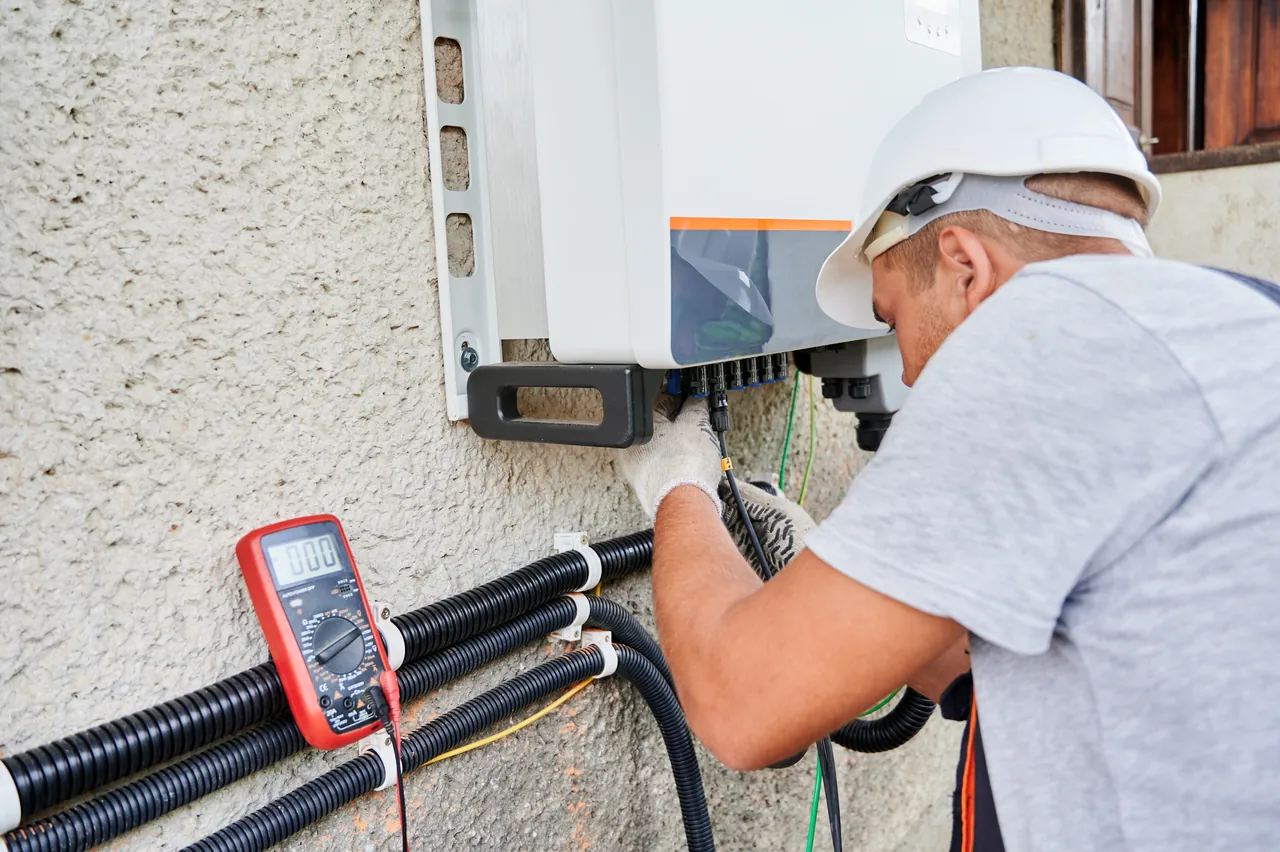
Tell Us What Is Happening and We Will Help You Start with the Correct Electrical Service
Send your Gauteng suburb, property type and a clear description of the fault or planned work. We can then guide you toward electrical repairs, fault finding, an installation, COC support, maintenance or power-system electrical work.