
Property sales and transfers
Electrical COC Certificates are commonly required when selling a property. Early inspection helps avoid transfer pressure when correction work is needed.
Need an Electrical COC Certificate in Gauteng for a property sale, rental, insurance request, renovation, older electrical installation, DB board concern or compliance repair? Our electricians inspect the fixed electrical installation, identify safety defects, explain required correction work and assist with COC certificate support once the installation is compliant.
A proper electrical COC is not a quick stamp. Your electrical installation must be checked properly, including the DB board, circuit breakers, earth leakage protection, plug points, lighting circuits, isolators, geyser and stove circuits, earthing, bonding, outdoor electrical points, visible wiring condition and previous electrical alterations.
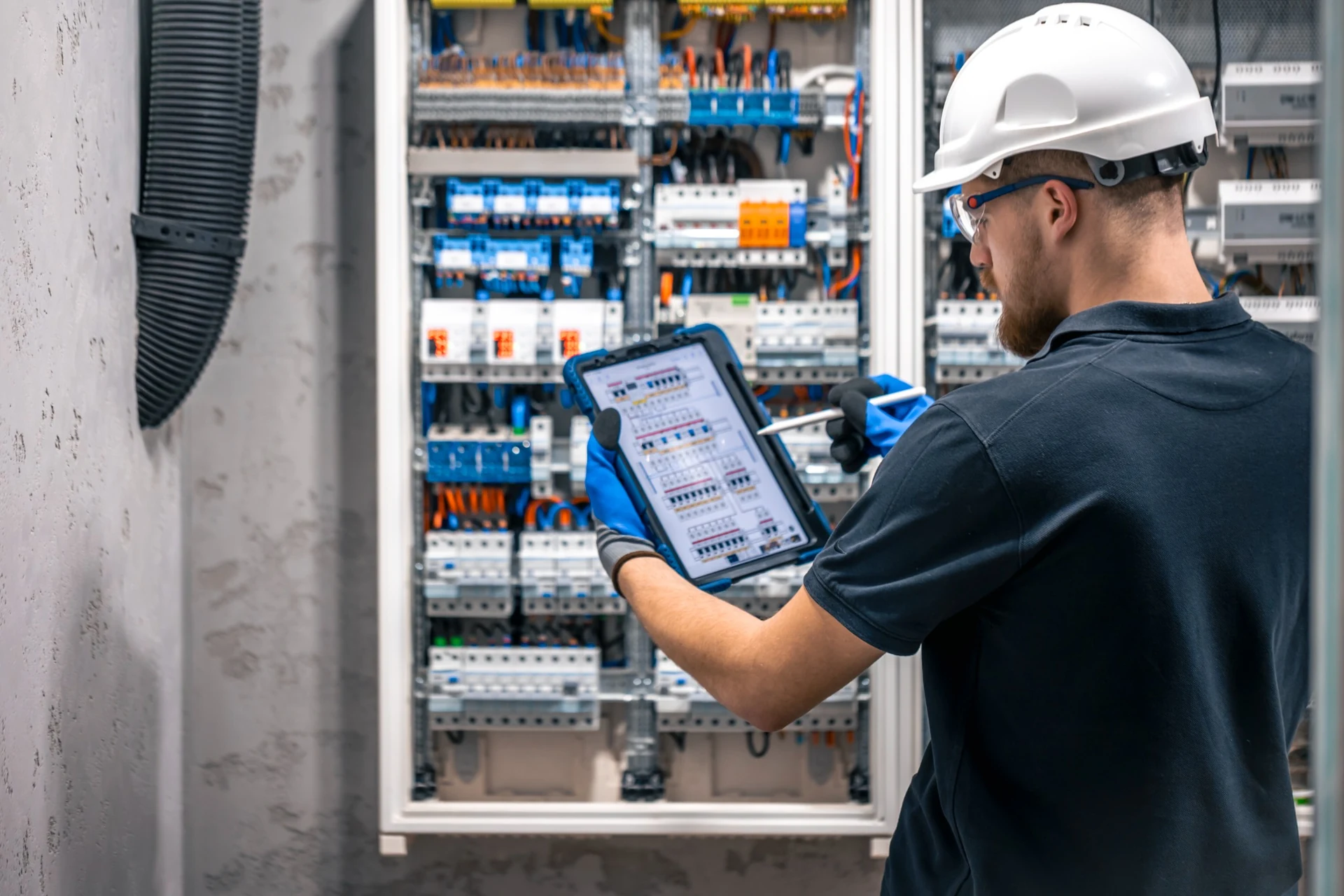
Electrical COC Certificates in Gauteng are important when you sell a property, manage a rental, renovate, buy an older home, deal with insurance requirements or need confirmation that the fixed electrical installation has been inspected properly.
Electrician Electricians assists with electrical COC inspections and electrical compliance support for homes, townhouses, flats, complexes, offices, shops, workshops, warehouses and commercial properties. Our electricians inspect the installation, identify visible defects, test where required, explain compliance repairs clearly and assist with COC certification support once the electrical installation meets the required standard.
An electrical COC certificate should never be treated as paperwork only. The inspection behind the certificate is what matters. If the DB board is unsafe, the earth leakage protection is faulty, the wiring is exposed, the geyser isolator is missing, outdoor lights are unsafe, plug points are damaged or previous electrical additions were done poorly, those items must be corrected before the installation can be signed off.
A useful compliance inspection creates a clear picture of the electrical installation. The electrician needs to understand how the property is wired, what protection is installed, where alterations were made and whether visible defects need correction before the certificate process can move forward.
Inspection notes, DB board identification, circuit information and test results help turn a vague “COC problem” into a practical repair plan. This is especially valuable on older homes, renovated properties, rental portfolios and business premises where several electricians or contractors may have worked on the installation over time.
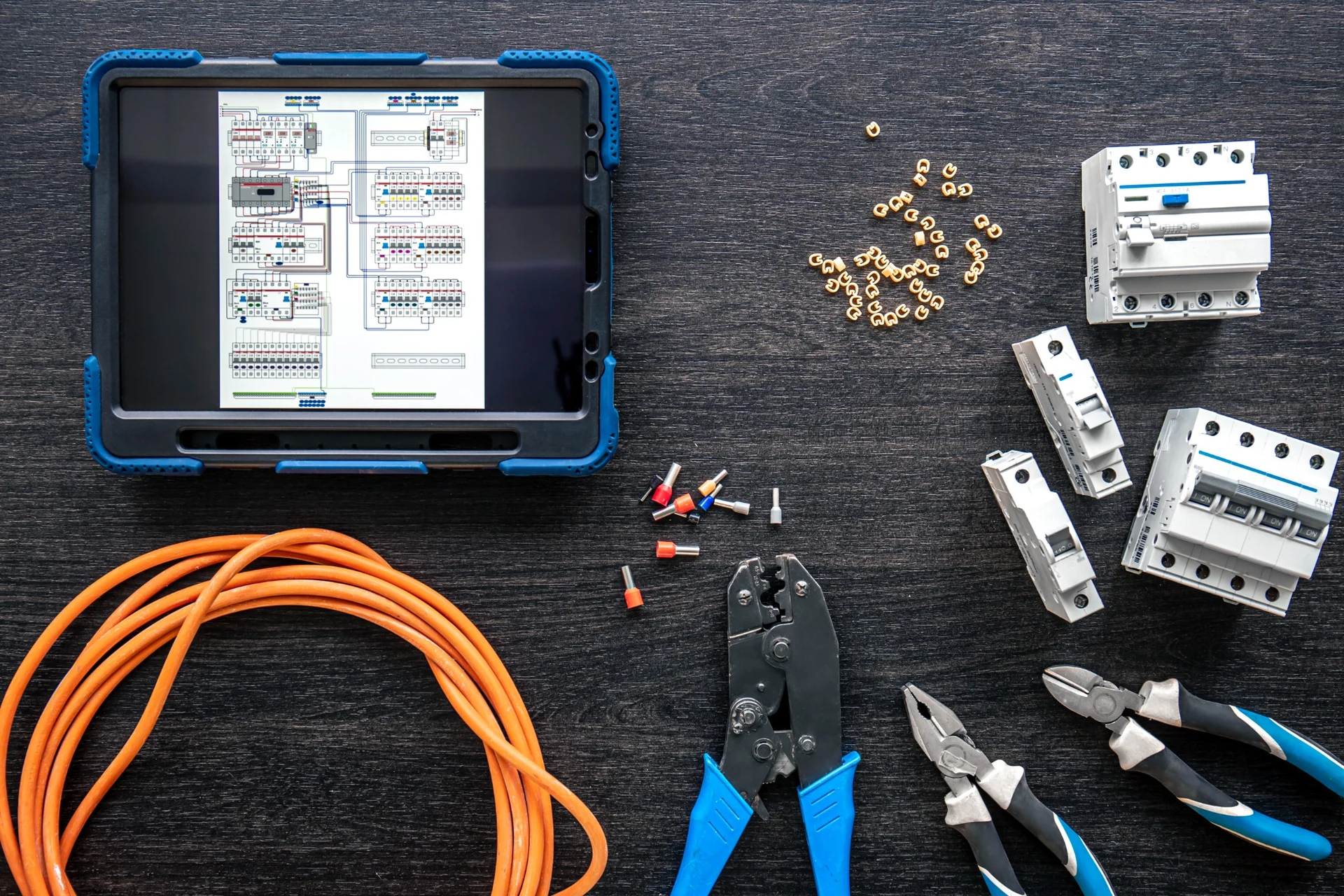
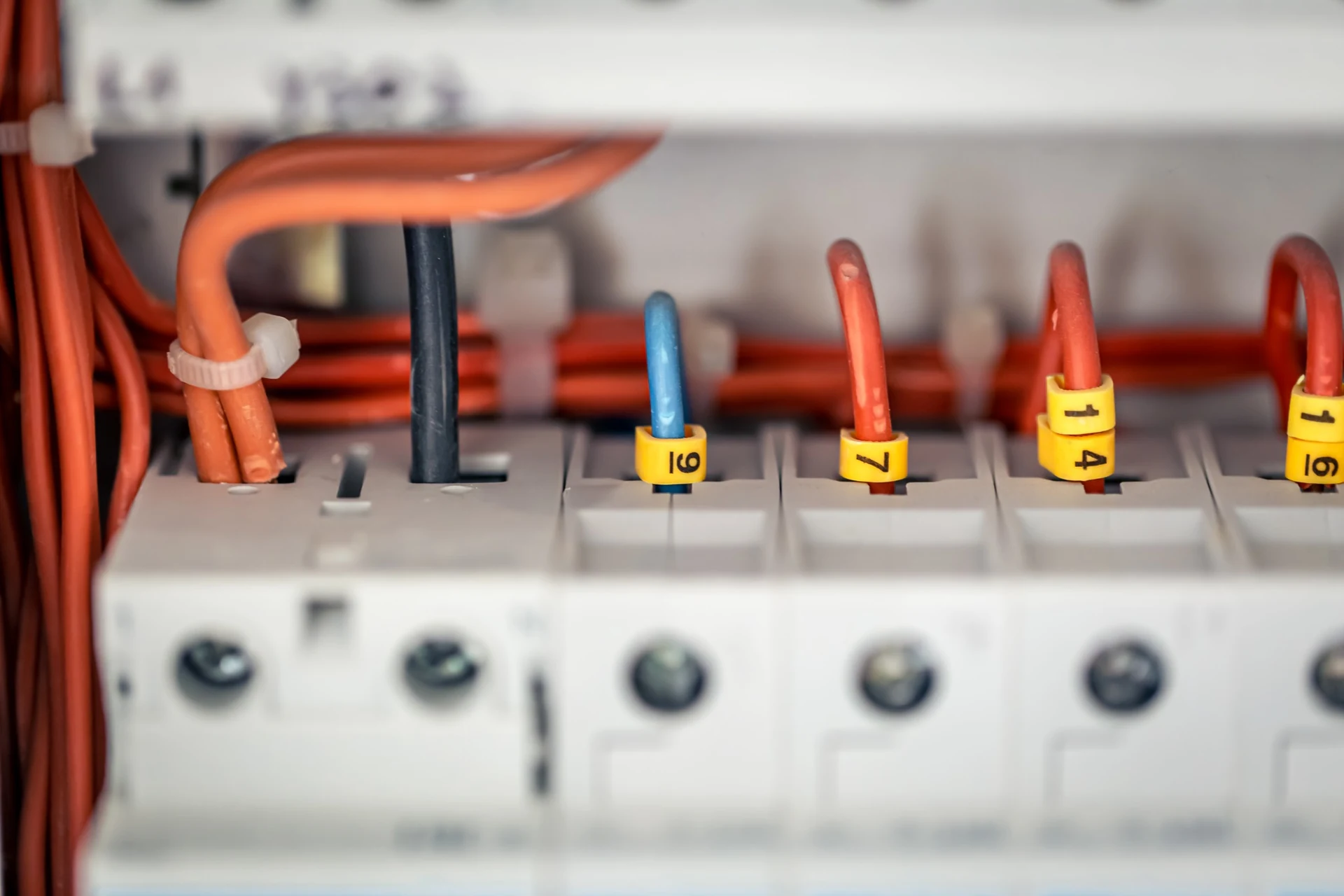
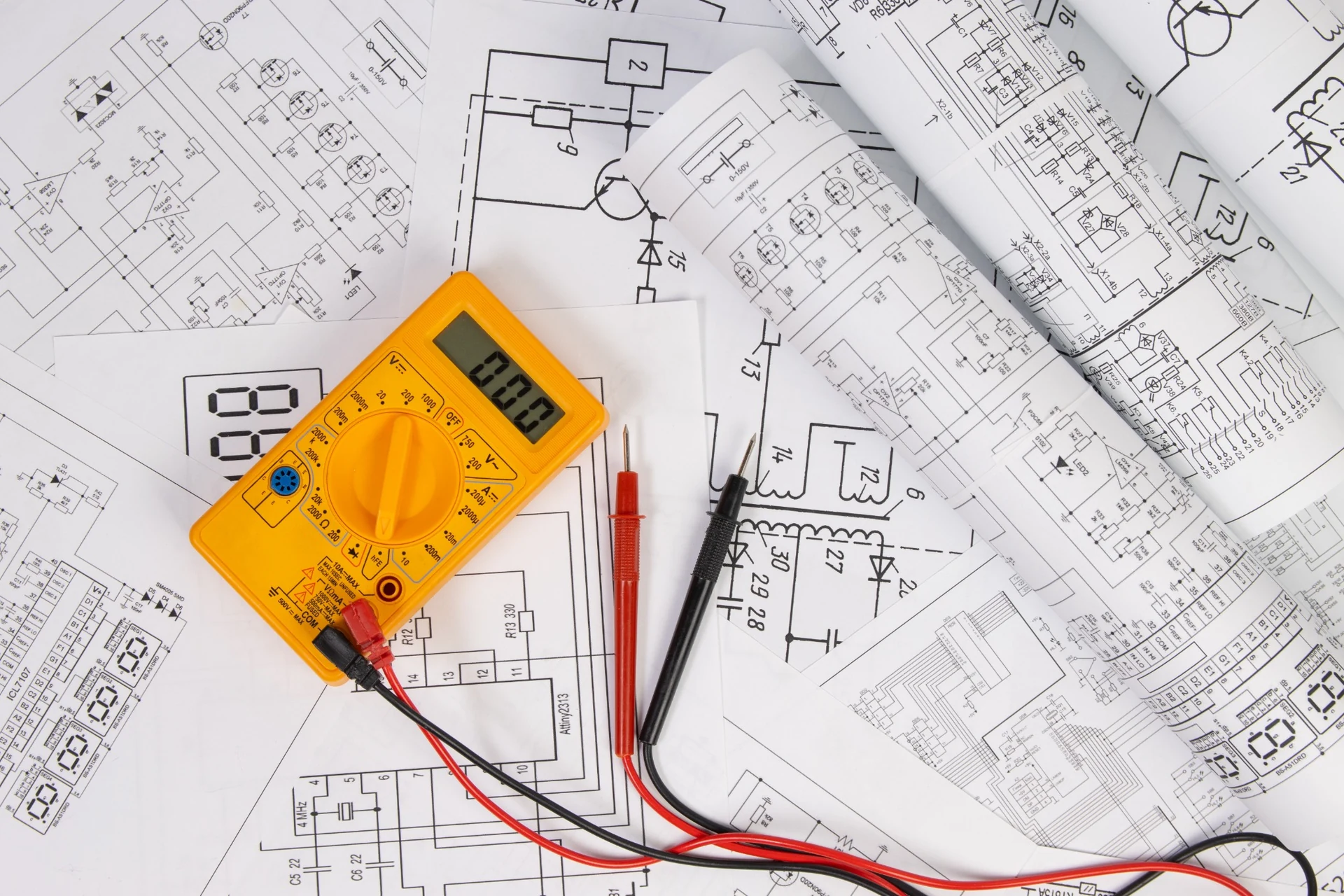
An Electrical COC Certificate, also known as an Electrical Certificate of Compliance, confirms that the fixed electrical installation has been inspected and complies with the required electrical safety standards at the time the certificate is issued.
The electrical COC normally applies to the fixed electrical installation, not loose appliances. The inspection can include the DB board, sub-DB boards, wiring, circuit breakers, earth leakage protection, plug points, light switches, lighting circuits, geyser circuit, stove circuit, isolators, earthing, bonding, outdoor electrical points, labels and visible signs of unsafe electrical work.
A COC electrician does not simply walk through the property and sign a document. The electrician must look for safety defects, incorrect wiring, damaged components, poor protection, unsafe alterations and visible problems that could affect compliance. If defects are found, repair work must be completed before certification can proceed.
For you as the property owner, buyer, seller, landlord or business owner, the benefit is clarity. You know what was inspected, what requires correction and what must be made safe before the certificate is issued. A proper COC inspection helps reduce risk and prevents unsafe electrical work from being ignored.

A COC inspection looks at the fixed electrical installation and the visible safety condition of the system. The inspection is not about guessing whether the power works. A property can still have electricity while the DB board, earthing, wiring, protection or isolators are not compliant.
Our electricians may inspect the main DB board, sub-DB boards, main switch, circuit breakers, earth leakage protection, wiring condition, neutral and earth bars, plug points, switches, lighting circuits, geyser isolator, stove isolator, outdoor plugs, garden lights, gate motor supply, pool pump circuit, cable routing, exposed conductors, electrical labels and previous electrical additions.
Where testing is required, the electrician checks the relevant parts of the installation to understand whether the fixed electrical system is safe enough for certification. If a defect is found, the issue is explained so you understand whether it is a DB board repair, earth leakage problem, plug point correction, wiring repair, isolator installation or other compliance repair.
Many Gauteng properties do not pass the first electrical COC inspection, especially older homes, renovated properties, rental units and buildings where electrical additions were done over time. This does not always mean the entire system is bad. It means certain defects must be corrected before certification can continue.
Poor labelling, missing blanks, exposed wiring, incorrect breakers, loose terminals, burnt components, damaged covers or unsafe DB board alterations can prevent compliance.
Missing, faulty or incorrectly arranged earth leakage protection is a major safety concern. Earth leakage tripping must be investigated rather than bypassed.
Loose, cracked, burnt or incorrectly wired sockets and switches should be repaired before the installation is certified.
Exposed conductors, open junctions, poor cable protection, old brittle insulation, moisture damage or unsafe DIY wiring can affect compliance.
Geysers, stoves, air-conditioning circuits, backup power equipment and certain fixed appliances may require correct isolation and safe circuit protection.
Outdoor lights, plugs, gate motors, garden circuits and pool pump supplies are exposed to weather and must be safe, protected and suitable for the environment.
Electrical COC Certificates are commonly required when selling a property in Gauteng. Sellers are usually expected to provide a valid electrical compliance certificate as part of the transfer process. If the COC inspection is delayed until the last minute and defects are found, the transfer can become stressful.
Arrange the COC inspection early. If the electrician finds damaged plug points, missing isolators, incorrect breakers, faulty earth leakage protection, exposed wiring or DB board defects, you have time to complete the correction work before attorneys, agents or transfer deadlines create pressure.
For buyers, an electrical COC confirms the fixed electrical installation was inspected at the time of certification. It does not automatically mean every appliance, inverter, generator, solar system, loose equipment or future alteration is covered. If the property has backup power, solar, old wiring, renovations or visible electrical concerns, ask what was inspected and whether additional electrical checks are advisable.

A cheap certificate without a real inspection is not a proper solution. Electrical compliance is about safety, responsibility and the fixed electrical installation being checked correctly.
If a certificate is issued without proper inspection and the installation still has unsafe wiring, incorrect breakers, faulty earth leakage protection, poor earthing, burnt DB board components, exposed conductors or unsafe outdoor circuits, the risk remains with the property. A poor COC can create buyer disputes, insurance questions, transfer complications and serious safety concerns later.
Our electricians focus on proper COC inspections, clear defect feedback and practical repair recommendations. A certificate should only be issued when the installation has been inspected and the required compliance items have been dealt with.
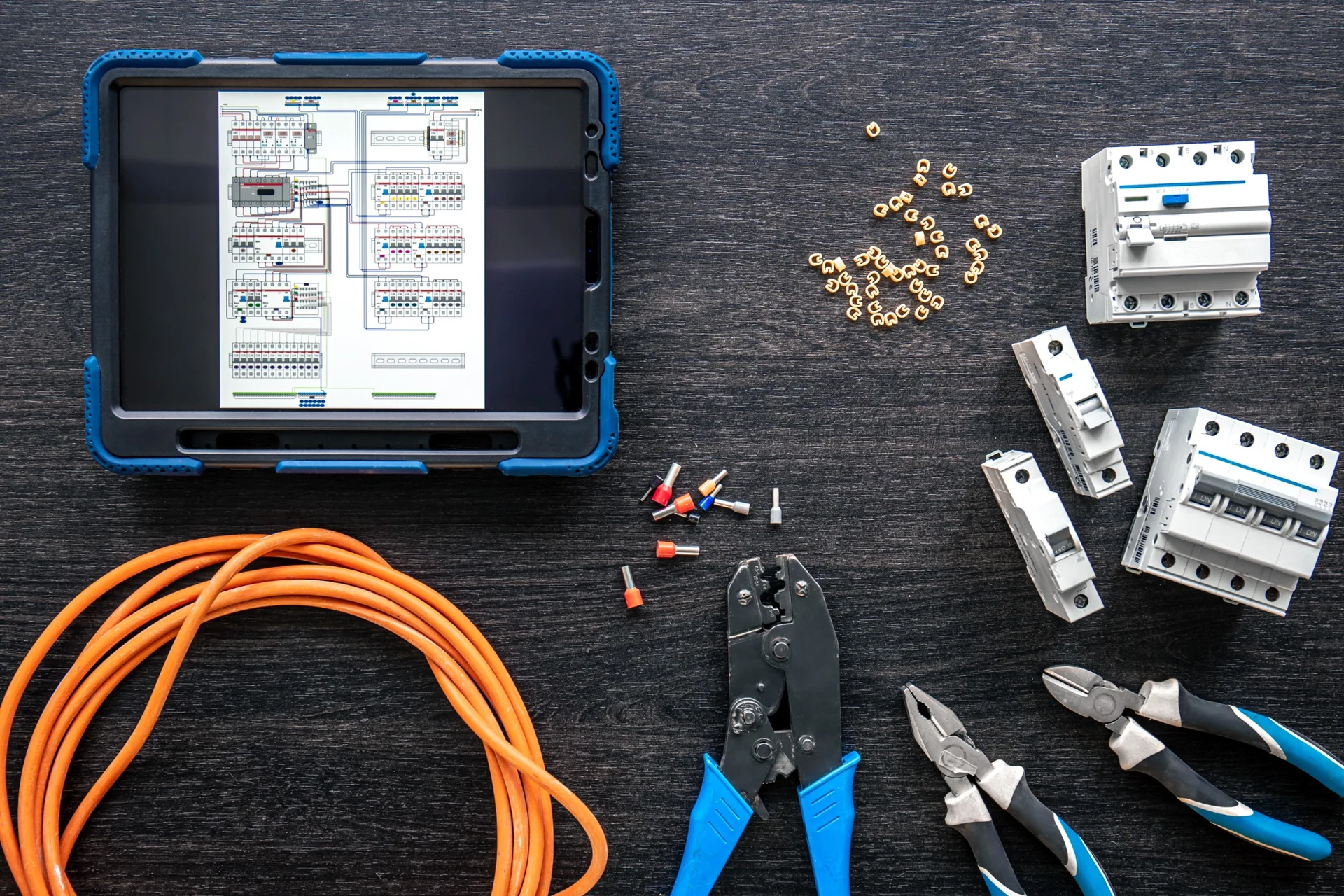
Residential electrical COC Certificates in Gauteng are requested for houses, flats, townhouses, complexes, estates, rental units and older homes. Your home electrical system is used every day by lighting, plug circuits, geysers, stoves, ovens, pool pumps, gate motors, security systems, electric fences, home offices, outdoor lights and backup power systems.
Over time, plug points crack, switches loosen, outdoor fittings allow moisture in, DB boards become overcrowded, breakers are changed incorrectly, renovations add circuits and old wiring starts showing defects. A residential COC inspection helps identify whether the fixed installation is safe enough for certification.
Landlords and property managers should take electrical compliance seriously. Tenants often use appliances heavily, and a small electrical issue can become an urgent maintenance problem. COC inspections and compliance repairs help reduce risk, improve maintenance records and protect rental properties from repeated electrical complaints.
DB board condition, plug points, light switches, geyser circuit, stove circuit, outdoor points, earth leakage and visible wiring defects.
COC inspections and repair advice for landlords, rental agents, body corporates and property managers across Gauteng.
Commercial properties use electricity differently from homes. Offices, shops, restaurants, warehouses, workshops, schools, churches, medical practices and commercial buildings often have more circuits, higher loads, dedicated equipment supplies, signage, air-conditioning circuits, server circuits, emergency lighting, security systems and backup power arrangements.
A commercial COC inspection must consider the fixed electrical installation in the context of the business. A restaurant may have kitchen equipment circuits, fridges, freezers and extraction fans. A shop may need display lighting, till power and signage circuits checked. An office may need workstation power, server circuits, surge protection and air-conditioning circuits inspected.
Commercial electrical compliance matters because electrical faults can interrupt trading, damage equipment, affect stock, create staff safety risks and raise insurance concerns. Our electricians assist with commercial COC inspections, DB board checks, electrical repair recommendations and compliance correction work for business premises in Gauteng.

If the inspection identifies defects, the electrical repair work must be completed before the COC certificate can be finalised. This protects you, the buyer, the tenant, the business and the electrician issuing the certificate.
Incorrect breakers, missing covers, exposed wiring, poor labelling, damaged components, loose terminals and heat damage may require DB board repair or upgrade work.
Faulty earth leakage devices, nuisance tripping, downstream faults and missing protection must be investigated and corrected where required.
Loose sockets, burnt plug points, cracked switches, incorrect polarity, damaged fittings and unsafe visible electrical points can affect COC compliance.
Exposed wiring, unsafe joints, open junction boxes, poor cable routes, damaged insulation and older wiring defects must be made safe.
Geyser isolators, stove isolators, air-conditioning isolators, backup power isolators and equipment isolation may need correction.
Garden lights, exterior plugs, gate motors, pool pumps and outdoor circuits must be safe against moisture, damage and unsafe exposure.

Many Gauteng properties now have solar systems, inverters, batteries, generators or backup power electrical work. These systems can affect the fixed electrical installation because they often connect through the DB board, essential load circuits, AC protection boxes, isolators, changeover switches and bypass arrangements.
Backup power work should be checked carefully during compliance support. Poor essential load separation, unsafe backfeed risks, missing isolators, incorrect neutral arrangements, poor labelling, overloaded essential circuits or untidy inverter wiring can create safety and COC concerns.
Our electricians can inspect the electrical side of solar, inverter and generator integration where it affects the fixed installation. If correction work is required, it may include DB board labelling, circuit separation, isolators, AC protection boxes, changeover arrangements, wiring repairs and safer layout planning.
Older properties and renovated homes need careful COC inspections because electrical systems often change over many years. Extra plug points, kitchen upgrades, new rooms, cottages, garages, outdoor lights, geysers, stoves and backup power systems may have been added without proper documentation or compliance checks.
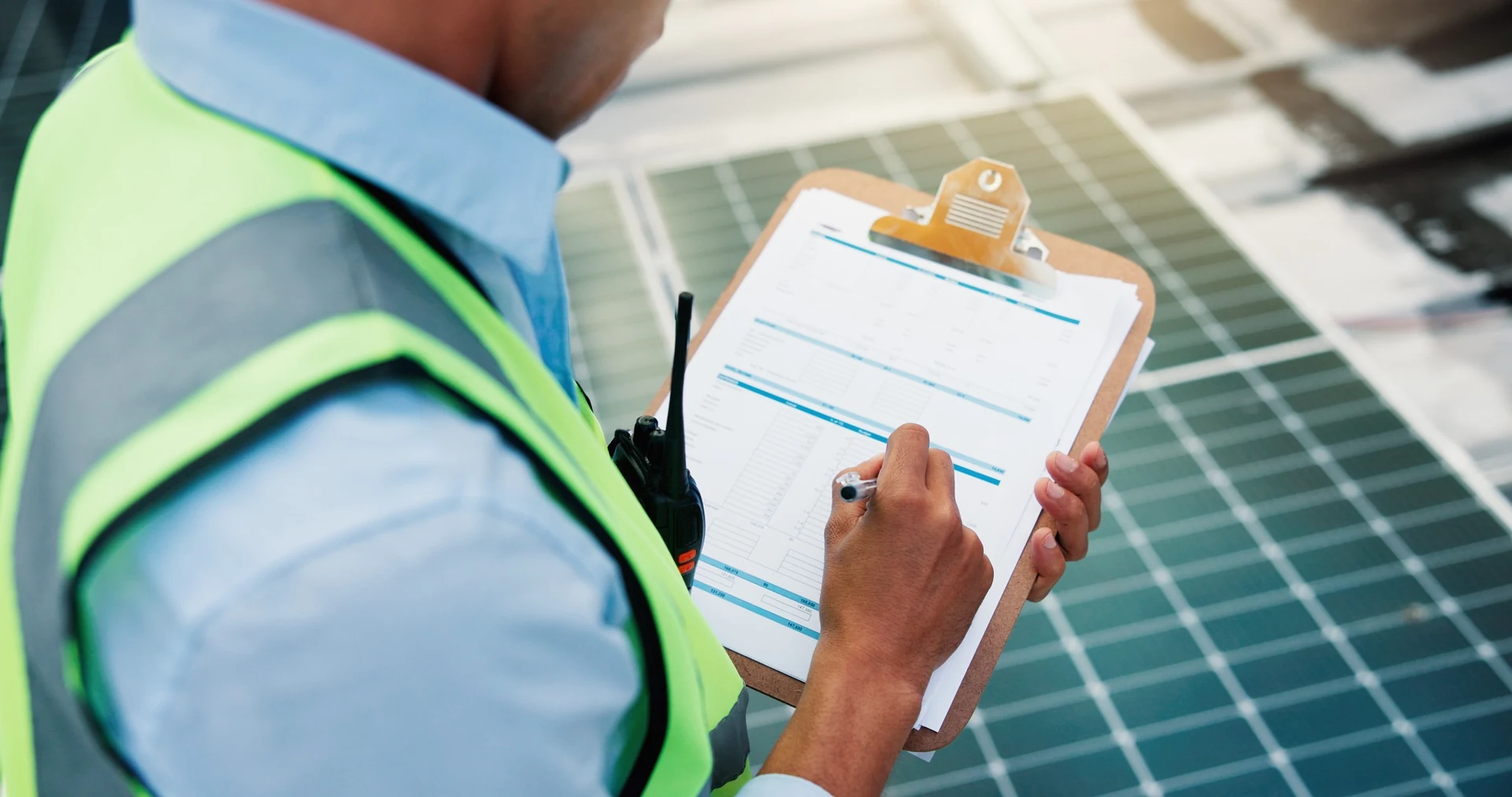
Properties are rarely electrically static. New plug points are added, kitchens are renovated, cottages are built, geysers are replaced, solar and inverter systems are connected, generators are introduced and circuits are altered to support new equipment.
Where electrical changes have been made, photographs, previous COC records, DB board labels, inverter or generator information and known repair history can help the electrician understand the installation faster. These records do not replace inspection and testing, but they can make the compliance process clearer and help identify where recent electrical work may need closer attention.
For property sellers and managers, starting this process early gives more time to deal with corrective work instead of discovering DB board, wiring or backup-power issues under transfer or handover pressure.
A clear COC process helps you understand what happens before inspection, what happens when defects are found and what must be corrected before certification can proceed.
Send your suburb, property type, reason for the COC, whether the property is being sold or rented, and safe DB board photos where possible.
An electrician checks the fixed electrical installation, including the DB board, wiring, circuit protection, plugs, lights, isolators and visible safety concerns.
If the installation does not comply, you receive clear feedback on what must be repaired before the electrical compliance certificate can be finalised.
COC repair work may include DB board corrections, breaker replacement, earth leakage repairs, plug and switch repairs, wiring corrections or isolator installations.
Once the required work is corrected and the installation complies, the Electrical COC Certificate process can be completed by the authorised electrical professional.
The time required for an electrical COC inspection depends on the property size, number of circuits, number of DB boards, accessibility, outdoor electrical points, condition of the installation, older wiring, previous alterations and whether backup power systems are installed.
A small apartment may be quicker to inspect than a large home, office, warehouse or commercial building with several DB boards and outdoor circuits. If defects are found, the COC cannot be issued until the required repairs are completed and checked.
The cost of an Electrical COC Certificate in Gauteng depends on the inspection requirements, property type, location, urgency and any compliance repairs needed. The inspection and the repair work are normally separate because the electrician can only confirm defects after the property has been checked.
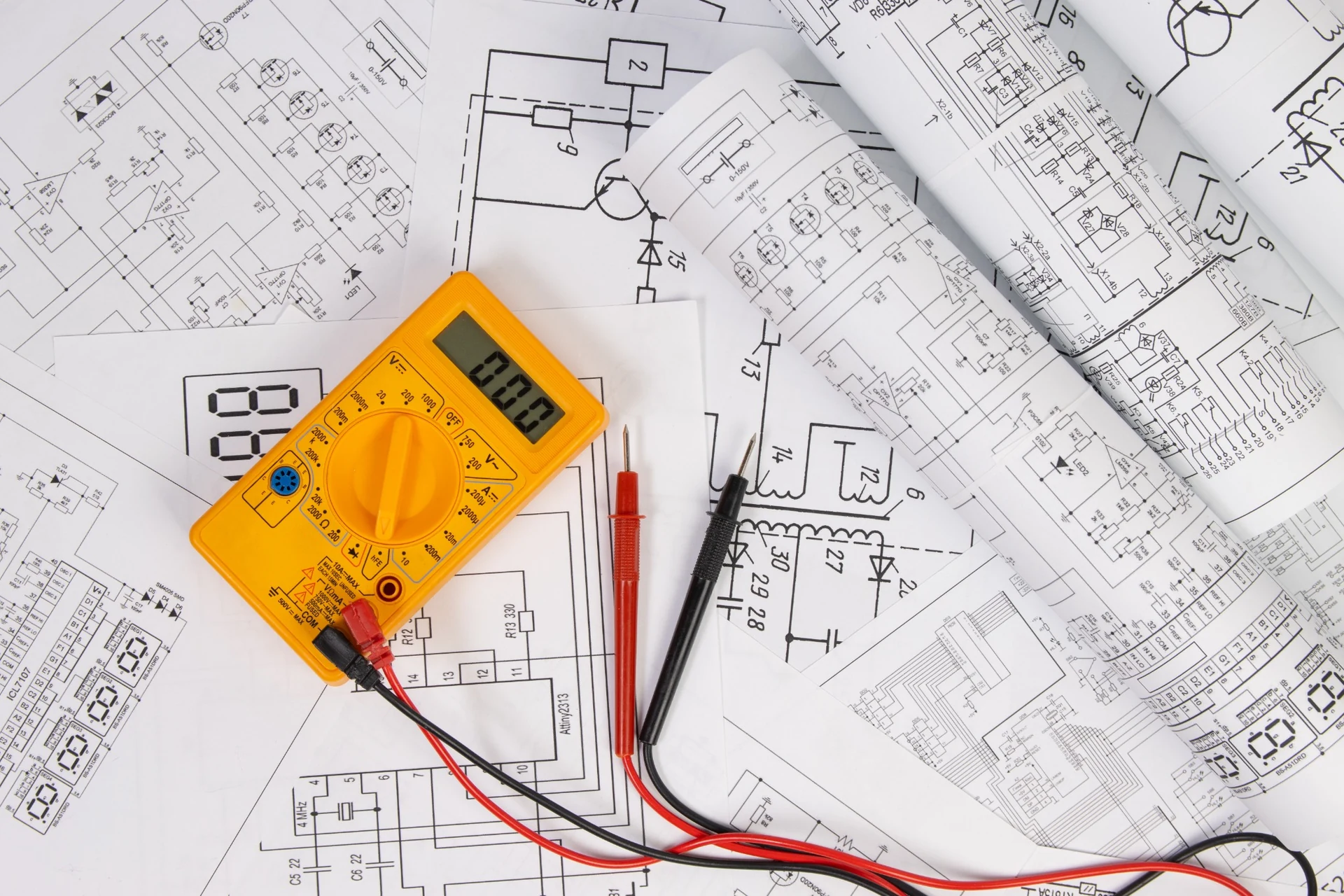
When you choose electricians for Electrical COC Certificates in Gauteng, you need more than someone who can arrive with a form. You need an electrician who understands compliance, DB board safety, circuit protection, earthing, fixed wiring, isolators, visible defects and practical electrical repairs.
A good COC electrician should inspect properly, communicate clearly, explain defects in plain language and avoid shortcuts. If the installation fails, you should understand what failed, why it matters and what repair work is required before certification can continue.
Electrician Electricians assists with both the inspection side and the electrical repair side. That means if a COC inspection identifies a faulty earth leakage unit, damaged plug point, missing isolator, DB board concern, poor labelling, exposed conductor, outdoor moisture problem or backup power wiring issue, our electricians can help with practical correction work instead of leaving you confused.

An Electrical COC Certificate supports property transfer, but the inspection can also reveal important safety information about the installation. Many property owners only discover electrical defects when a COC inspection is done properly.
Electrical compliance inspections help identify hidden defects such as loose DB board connections, faulty breakers, poor earthing, damaged sockets, missing isolators, unsafe outdoor electrical points, poor wiring routes, incorrect circuit protection and old alterations that were never checked.
For sellers, the COC helps move the property transfer forward. For buyers, it gives a clearer view of the fixed electrical installation. For landlords, it supports safer rental property management. For businesses, it helps reduce electrical safety risk and gives management a better understanding of compliance-related repair work.
Electrical compliance is not only about passing an inspection. It is about making sure the installation is safer, easier to maintain and better documented for future electrical work.
Electrician Electricians assists with Electrical COC Certificates in Gauteng for residential, commercial, rental and light industrial customers.
Our electricians can assist with COC inspections and compliance repair enquiries in Johannesburg, Sandton, Randburg, Roodepoort, Midrand, Centurion, Pretoria, Germiston, Boksburg, Benoni, Kempton Park, Edenvale, Alberton, Fourways, Bryanston, Bedfordview, Springs, Brakpan, Krugersdorp, Vereeniging, Vanderbijlpark and surrounding Gauteng areas.
Whether you need a COC certificate for a house sale, flat, townhouse, rental property, estate unit, office, shop, warehouse, church, school, commercial building or property with backup power, our electricians can guide the inspection and compliance repair process.
COC inspections for property sales, old wiring concerns, DB board checks, plug repairs, geyser circuits, stove isolators and residential electrical compliance.
COC support for landlords, tenants, rental agents, body corporates, estate units, apartments and managed residential properties.
Compliance inspections and COC repair support for shops, offices, restaurants, warehouses, facilities and business premises.
These answers cover common customer questions about electrical coc certificates in gauteng and explain how our electricians can assist with the fixed electrical installation.
An Electrical COC Certificate is a Certificate of Compliance confirming that the fixed electrical installation has been inspected and complies with the required electrical safety standards at the time of inspection.
You commonly need an Electrical COC Certificate when selling a property. It may also be requested for rental properties, insurance purposes, renovations, property management or electrical safety confirmation.
A COC can only be issued if the electrical installation passes the inspection. If defects are found, the required repairs must be completed first.
The electrician identifies the defects that need correction. Once the required repairs are completed and the installation complies, the COC can be issued.
An electrical COC generally applies to the fixed electrical installation, not loose appliances. Fixed equipment and circuits may be checked depending on the installation and inspection requirements.
An Electrical COC must be issued by a suitably qualified and registered electrical professional who is authorised to inspect and certify electrical installations.
Earth leakage protection is a safety feature. If it is missing, faulty or not operating correctly where required, the installation may not pass the COC inspection.
Yes. DB board problems such as faulty breakers, poor wiring, missing earth leakage, heat damage, poor labelling, incorrect protection or damaged components can prevent a COC from being issued.
Yes. Outdoor electrical points form part of the fixed installation and must be safe, protected and suitable for the environment.
Yes. Inverters, generators and backup power systems can affect DB board wiring, changeover arrangements, isolators, essential load circuits and AC protection. These must be installed safely.
The cost depends on property size, number of circuits, DB boards, location and whether repairs are required. Compliance repairs are usually quoted separately after inspection.
You can contact Electrician Electricians for Electrical COC Certificates in Gauteng, including inspections, compliance repairs, DB board checks, earth leakage fault finding and COC certification support.
Call or send your suburb, property type, reason for the COC and safe DB board photos. Our electricians can guide the correct next step for inspection, COC repair work or electrical compliance support.