
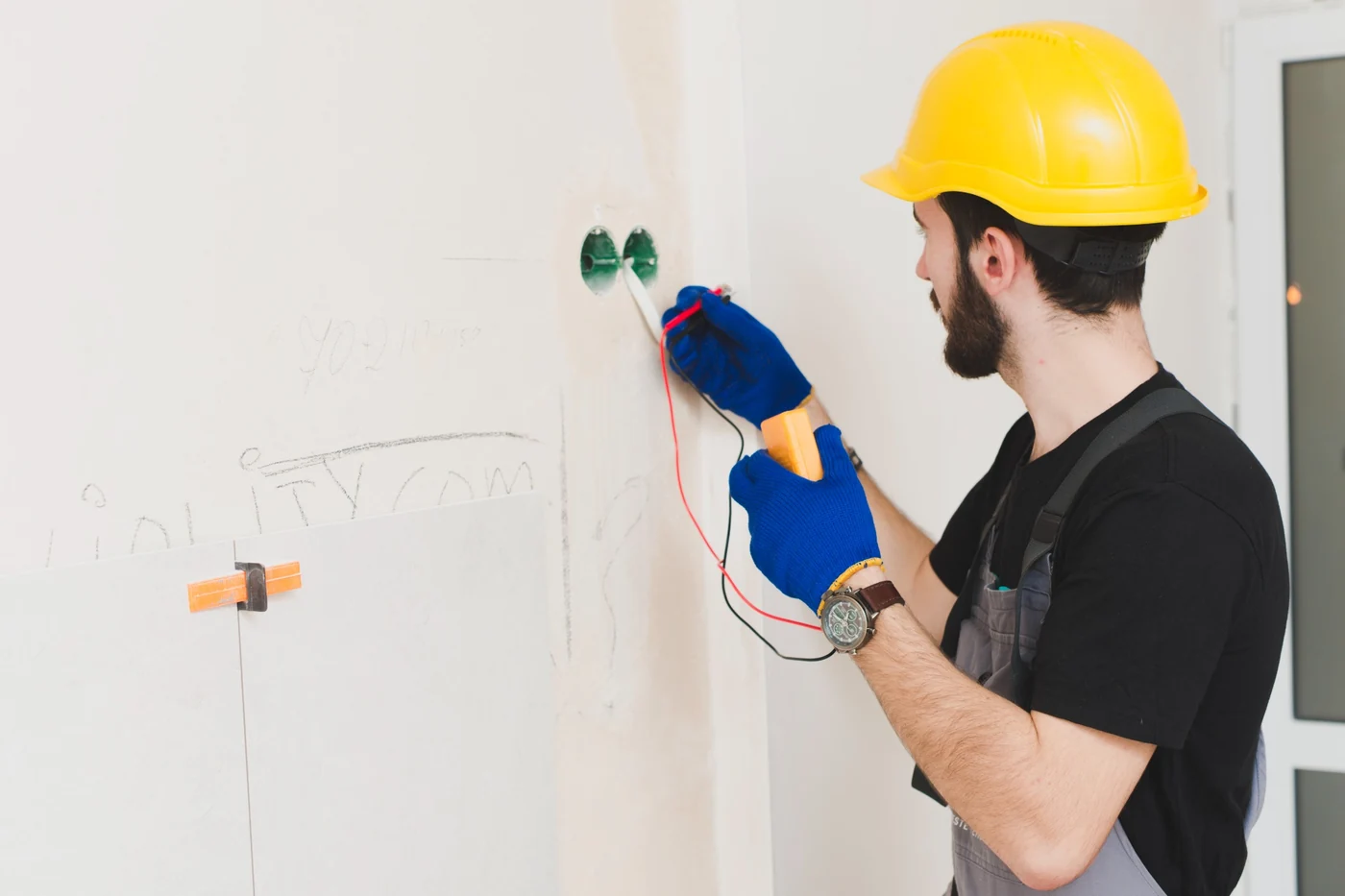
Plug point installations in Gauteng
Additional Plug Points for Homes, Offices, Shops and Work Areas
Additional plug point installations are one of the most common electrical requests because many older properties were built with fewer sockets than modern life requires. Every room now needs power for chargers, laptops, Wi-Fi routers, TVs, fridges, washing machines, entertainment systems, office equipment, security devices, tools, point-of-sale equipment and backup systems.
When there are not enough plug points, people often rely on multi-plugs and extension leads. That may work for temporary use, but permanent extension leads across floors, behind furniture or under desks can create clutter, overload risks and unsafe conditions. A properly installed plug point gives you power where you need it while reducing the temptation to overload one socket.
Our electricians can install additional plug points in bedrooms, lounges, TV rooms, kitchens, garages, home offices, shops, boardrooms, reception areas, workshops, warehouses, patios and outdoor areas where practical. Before connecting a new socket, the electrician should check whether the existing circuit can handle the extra load or whether a dedicated circuit from the DB board is the safer option.
Not every new plug point should be connected to the nearest socket. If the circuit already supplies high-load appliances, heaters, fridges, office equipment or tools, adding more outlets may create future tripping or overheating. Good plug point installation work considers the full electrical system, not only the quickest cable route.
PLUG POINT INSTALLATIONS IN GAUTENG
Need Additional Plug Points or a Dedicated Electrical Circuit?
Tell us where the electrical points are needed, what equipment will use them and whether the property is a home, office, shop or workshop. Our electricians can help plan the correct circuit and wiring route.
Plug point repairs in Gauteng
Faulty Plug Point Repairs, Socket Replacements and Burnt Outlet Repairs
A faulty plug point can be more than an inconvenience. Warm sockets, sparks, burnt marks, loose outlets and repeated tripping are warning signs that the socket, wiring, appliance or circuit protection should be checked by an electrician.
Plug Point Repairs
Plug point repairs are needed when a socket stops working, becomes loose, sparks, smells burnt, feels warm, cracks, fails intermittently or trips the breaker when an appliance is connected. The electrician checks the outlet, terminals, wiring, connected load and DB board protection before deciding whether the socket can be repaired or must be replaced.
Burnt Plug Points and Warm Sockets
A burnt plug point is a serious warning sign. Burn marks usually mean that heat has developed at the connection point. This can happen because of loose terminals, poor contact pressure, overload, damaged socket contacts or heavy appliances being used on a circuit that was not planned for that load.
Loose Socket Repairs
A loose socket can damage wiring over time. If the plug point moves when a plug is inserted or removed, the internal connections may become strained. That movement can create intermittent power, arcing, heat and damaged terminals behind the faceplate.
Plug Points That Trip Power
When a plug point trips power, the problem may be the socket, appliance, wiring, moisture, earth leakage fault, overloaded circuit or DB board protection. Repeatedly resetting the breaker without testing can make the fault worse and hide the real cause.
Outdoor Plug Point Repairs
Outdoor plug points are exposed to rain, dust, insects, sun and physical damage. If an outdoor plug trips after rain or feels unsafe, the electrician should inspect the fitting, cable route, seals, junction points, earth leakage protection and surrounding wiring.
Socket Outlet Replacements
Socket replacement may be required when the outlet is cracked, burnt, loose, worn, damaged or no longer grips plugs properly. The electrician should still check the wiring and circuit condition before fitting a new outlet, especially where heat or tripping occurred.

Electrical wiring services in Gauteng
Electrical Wiring Repairs, Rewiring Support and Safer Cable Routes
Electrical wiring services include installing, repairing, replacing and inspecting the fixed wiring that supplies power throughout a property. Wiring connects the DB board to plug points, lights, switches, appliances, geysers, stoves, pumps, equipment and other electrical points. If the wiring is damaged, old, overloaded or poorly connected, the problem can appear as tripping power, flickering lights, dead sockets, burning smells, intermittent faults or earth leakage trips.
Our electricians can assist with small wiring repairs behind a single plug point as well as larger wiring work across a room, office, kitchen, garage, outbuilding, shop, renovation area, warehouse or workshop. We can help trace damaged wiring, repair unsafe joints, correct poorly extended circuits, improve cable routes, install new wiring for additional plug points and advise when a section of wiring should be replaced instead of repeatedly repaired.
Safe wiring work considers cable size, breaker protection, earth continuity, routing, mechanical protection, moisture exposure, access for future maintenance and how much load will be connected to the circuit. It is better to plan wiring correctly once than to hide unsafe joins behind walls, ceilings or furniture and deal with ongoing faults later.
Wiring repairs should be handled by a qualified electrician because cables are often hidden inside walls, conduits, ceilings or roof spaces. The visible symptom is not always the real problem. A socket may be dead because of a damaged cable upstream. A light may flicker because of a loose neutral. A breaker may trip because of a cable fault, appliance fault, moisture or overload. Proper electrical fault finding helps prevent unnecessary repairs and repeat failures.
Electrical connections in Gauteng
Electrical Connection Checks for Safer Power and Fewer Repeat Faults
Every plug point, switch, light fitting, circuit breaker, isolator, appliance connection and DB board terminal depends on secure electrical connections. Loose connections are one of the most common causes of heat, flickering, burning smells and intermittent power.
Why secure electrical connections matter
Good electrical connections help provide stable power, reduce heat build-up, lower arcing risk, improve circuit reliability, support safer appliance operation and make future fault finding easier. Poor connections can cause flickering lights, intermittent power, warm sockets, buzzing sounds, breakers tripping, appliance damage, melted wiring and fire risks.
An electrical connection should be tight, correctly terminated and suitable for the circuit. It should not be twisted together, loosely joined, hidden in unsafe places or left without proper protection. If previous electrical work was done poorly, the circuit may continue working for a while before failing under load.
- Loose terminals behind plug points
- Poor DB board wiring connections
- Unsafe junctions hidden in ceilings
- Damaged earth or neutral connections
- Overheated appliance connection points
- Weather-damaged outdoor cable joints
- Old wiring connections that no longer hold properly
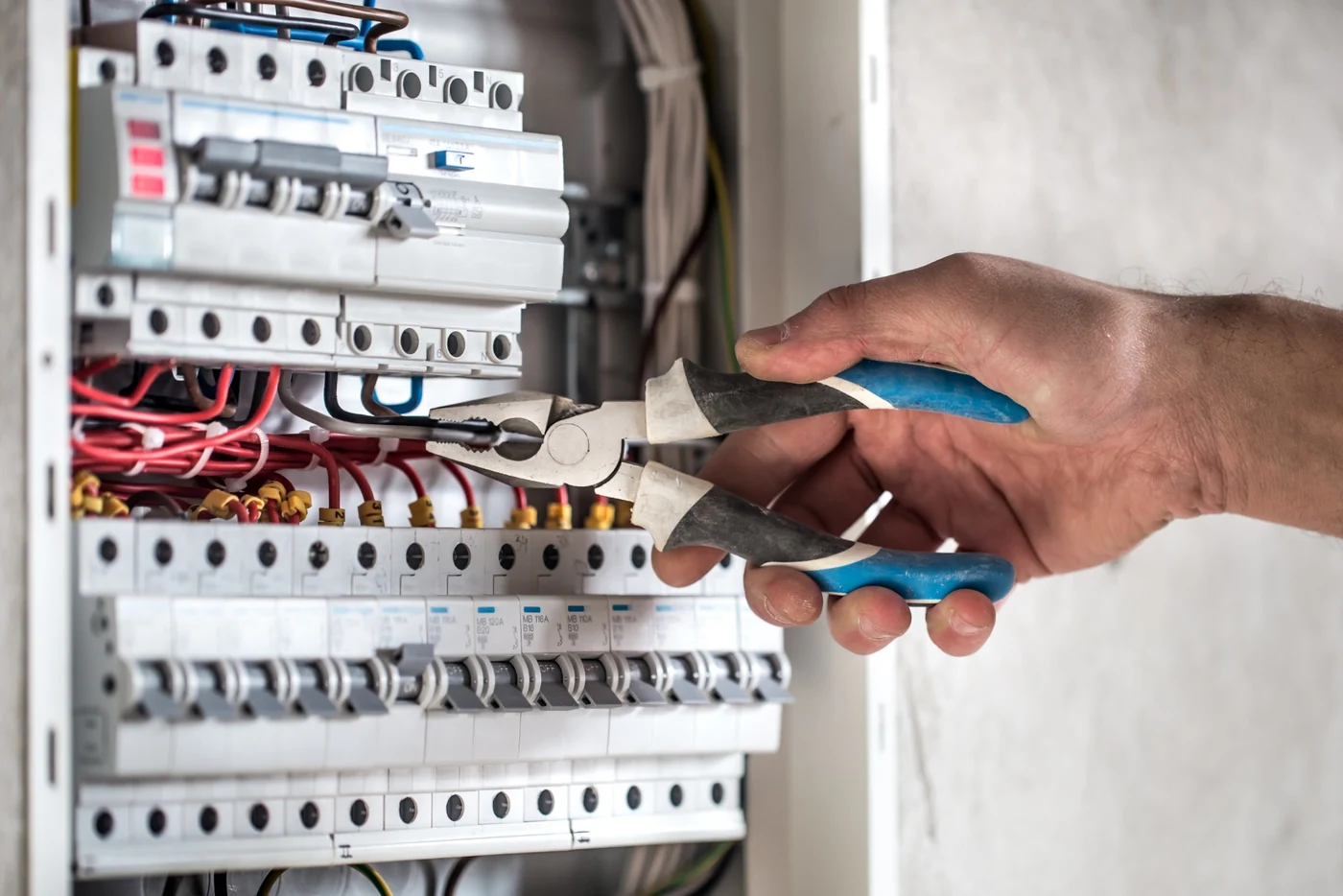
DB board wiring and circuit protection
DB Board Wiring, Circuit Breakers and Plug Circuit Protection
The DB board is where many plug point and wiring circuits begin. If the DB board wiring is untidy, overloaded, poorly labelled or fitted with unsuitable breakers, plug point faults become harder to diagnose and the electrical system may become unsafe. A new plug point or circuit should not be treated as an isolated item. The electrician must also check how that circuit is protected and labelled at the DB board.
DB board wiring issues may include loose connections, incorrect breaker ratings, poor labelling, overcrowded wiring, heat damage, burnt terminals, faulty earth leakage connections, damaged neutral or earth bars, unsafe additions and overloaded circuits. These issues can affect plug point repairs, additional socket outlets, dedicated appliance circuits and wiring fault finding.
When new plug points are installed, the circuit should be protected by a suitable breaker and the wiring must match the load. If a breaker is too large for the cable, the cable may be under-protected. If the breaker is too small or the circuit is overloaded, nuisance tripping may continue. A qualified electrician can check whether the protection makes sense before the circuit is used heavily.
Clear DB board labelling also matters. If a plug circuit trips, you should know which area is affected. Proper labelling saves time during future repairs and makes the electrical installation easier to manage for homeowners, tenants, business owners and property managers.
RELATED ELECTRICAL SERVICEDB Board Repairs and UpgradesSee DB board repairs, hot breaker faults, damaged distribution equipment and circuit upgrade work.→RELATED ELECTRICAL SERVICEElectrical Fault FindingRead about tracing recurring trips, dead circuits, earth leakage faults and intermittent electrical problems.→
Residential plug points and wiring
Residential Plug Points, Home Wiring and Appliance Circuits in Gauteng
Modern homes use more power than older electrical layouts were designed for. Extra plug points and proper wiring help make a home safer, neater and more practical for everyday living.
Kitchen Plug Points and Appliance Wiring
Kitchens need careful electrical planning because they contain fridges, freezers, microwaves, kettles, dishwashers, washing machines, ovens, extractor fans and small appliances. Plug points should be placed where they are useful and circuits should be suitable for the load. Ovens, stoves and other high-load appliances may need dedicated wiring and isolation.
Home Office Plug Points
Home offices often need power for computers, monitors, printers, routers, chargers, backup equipment and lighting. Proper plug point installation reduces overloaded multi-plugs and makes the workspace safer and neater.
Bedrooms, Lounges and TV Areas
Entertainment areas often need plug points for TVs, routers, gaming systems, sound systems, chargers and lighting. Additional sockets can reduce extension leads and help furniture layouts work properly.
Garage and Outbuilding Wiring
Garages and outbuildings may need power for tools, lighting, garage motors, gate motors, chargers, pumps and security equipment. Wiring must be routed and protected correctly, especially where it passes through outdoor or exposed areas.
Flatlets, Cottages and Rental Units
Separate living spaces may need practical wiring, plug point layouts, lighting circuits, stove points, geyser circuits and sub-DB planning. A qualified electrician can advise what is safe and practical for the layout.
Older Home Wiring Concerns
Older homes may have limited plug points, brittle insulation, old DB boards, poor labelling and circuits that were not designed for modern appliances. Wiring should be inspected if there are repeated faults, heat, burning smells, flickering or tripping.

Commercial plug points and wiring
Commercial Electrical Wiring for Offices, Shops, Restaurants and Workplaces
Commercial properties need practical and reliable electrical wiring because power interruptions can affect customers, staff, equipment, stock and operations. Offices, shops, restaurants, warehouses, schools, churches and workshops depend on plug points and wiring for everyday work. A poor plug layout often leads to overloaded extension leads, nuisance tripping, messy workstations and difficult maintenance.
Office wiring may include workstation plug points, dedicated circuits, server room power, boardroom electrical points, printer points, kitchenette plug points, surge protection support, DB board circuit additions and cable route planning. Many office faults are caused by too many devices on too few sockets. A better wiring layout can reduce tripping and make the workspace safer.
Retail wiring may include point-of-sale plug points, display power, signage wiring, counter plug points, shop lighting wiring, security system power and dedicated circuits for equipment. A neat and reliable electrical setup helps a shop operate professionally without visible extension leads and overloaded points around tills or display areas.
Restaurants and food businesses place heavy demand on electrical circuits. Fridges, freezers, ovens, fryers, coffee machines, dishwashers, extraction fans and point-of-sale systems may require dedicated wiring, suitable isolators and careful load planning. If a circuit trips during trading hours, it can affect stock, service and customer experience.
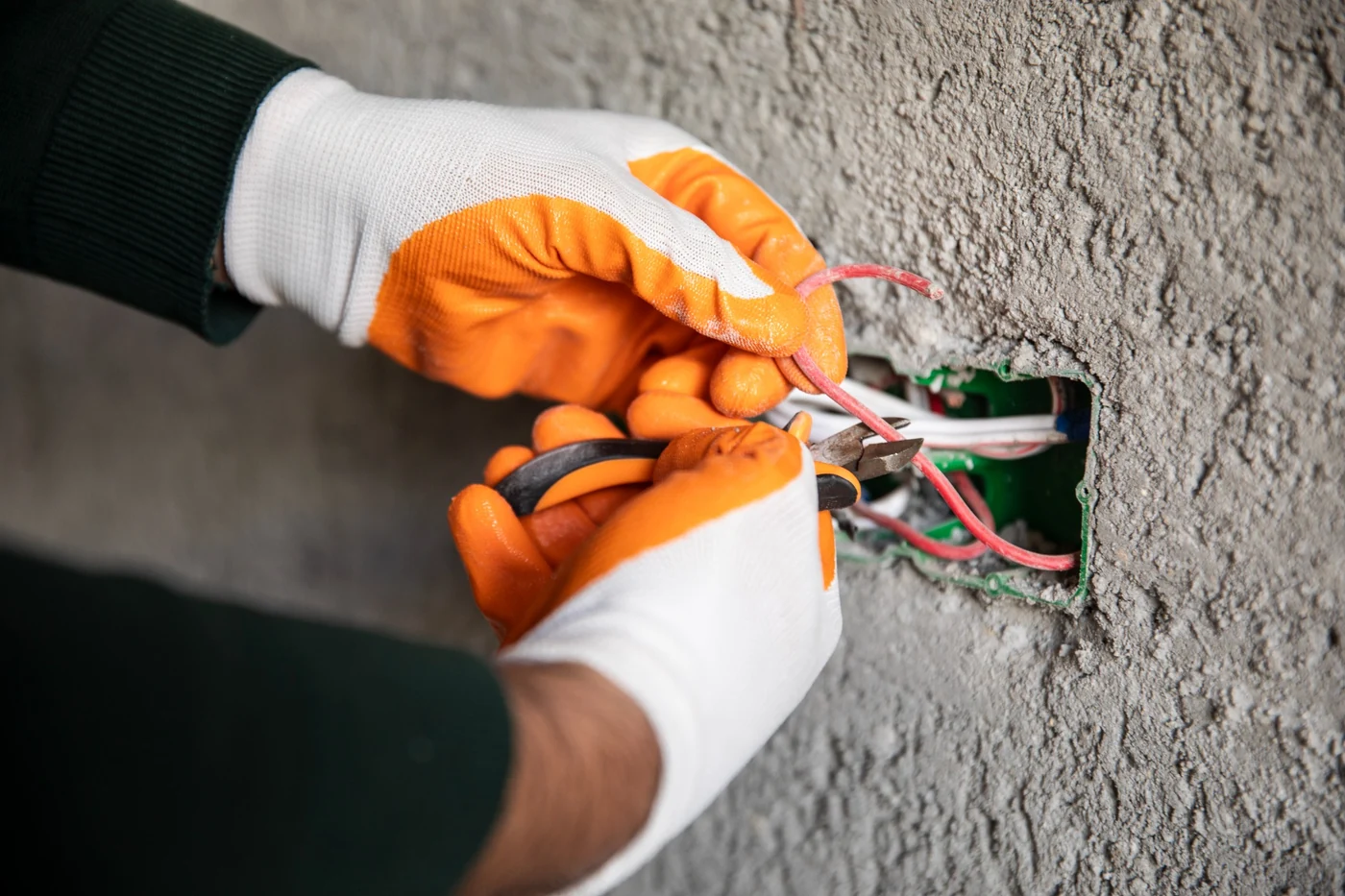
Outdoor plug points and wiring
Outdoor Plug Points, Garden Power, Gate Motors, Pool Pumps and Exterior Wiring
Outdoor electrical wiring needs special care because it is exposed to rain, moisture, heat, dust, insects and physical damage. Outdoor plug points, garden lights, pool pump circuits, gate motor supplies and security lighting must be installed and maintained properly. A fitting that works in dry weather can still fail when rain enters a cable joint, cracked cover, poorly sealed box or old outdoor light fitting.
Our electricians can assist with outdoor socket installations, garden lighting wiring, security lighting wiring, gate motor power, garage wiring, pool pump circuits, patio power points, driveway lighting, outbuilding wiring, borehole or pump circuits and outdoor fault finding.
Outdoor electrical faults often show up after rain. If the earth leakage trips during wet weather, outdoor wiring or fittings may be the cause. Moisture can enter damaged fittings, cable joints, junction boxes or plug points. The electrician must inspect the affected circuit, identify where moisture is entering and repair or replace the unsafe part of the installation.
Outdoor wiring should be properly protected and suitable for the environment. Cable routes, conduit, glands, junction boxes, covers and isolation all matter. The goal is not only to get power outside, but to keep that power safer through changing weather and daily use.
Workshop and light industrial wiring
Workshop, Warehouse and Light Industrial Plug Points and Wiring
Workshops and warehouses use heavier loads and harsher environments than normal homes and offices. Plug points and wiring must be planned around the equipment being used.
Workshop Plug Points
Workshop wiring may include industrial socket outlets, dedicated tool circuits, compressor circuits, welding machine circuits, machinery wiring, pump circuits, isolators, high-load plug points and lighting circuits. The electrician must consider load requirements, breaker ratings, cable sizes and safe isolation.
Warehouse Wiring
Warehouse wiring may include high-bay lighting wiring, loading bay power, office section wiring, security lighting, roller door circuits, equipment power points, plug circuits, DB board upgrades and dedicated circuits for business equipment.
Machinery and Equipment Circuits
Machinery, compressors, pumps, welders and workshop tools should not be connected randomly to existing plug circuits. Dedicated circuits may be required to prevent tripping, heat build-up and unsafe connections.
Industrial Socket Outlets
Industrial sockets must be selected and installed according to the load and environment. The circuit protection, isolator, cable route and equipment use should be planned before installation.
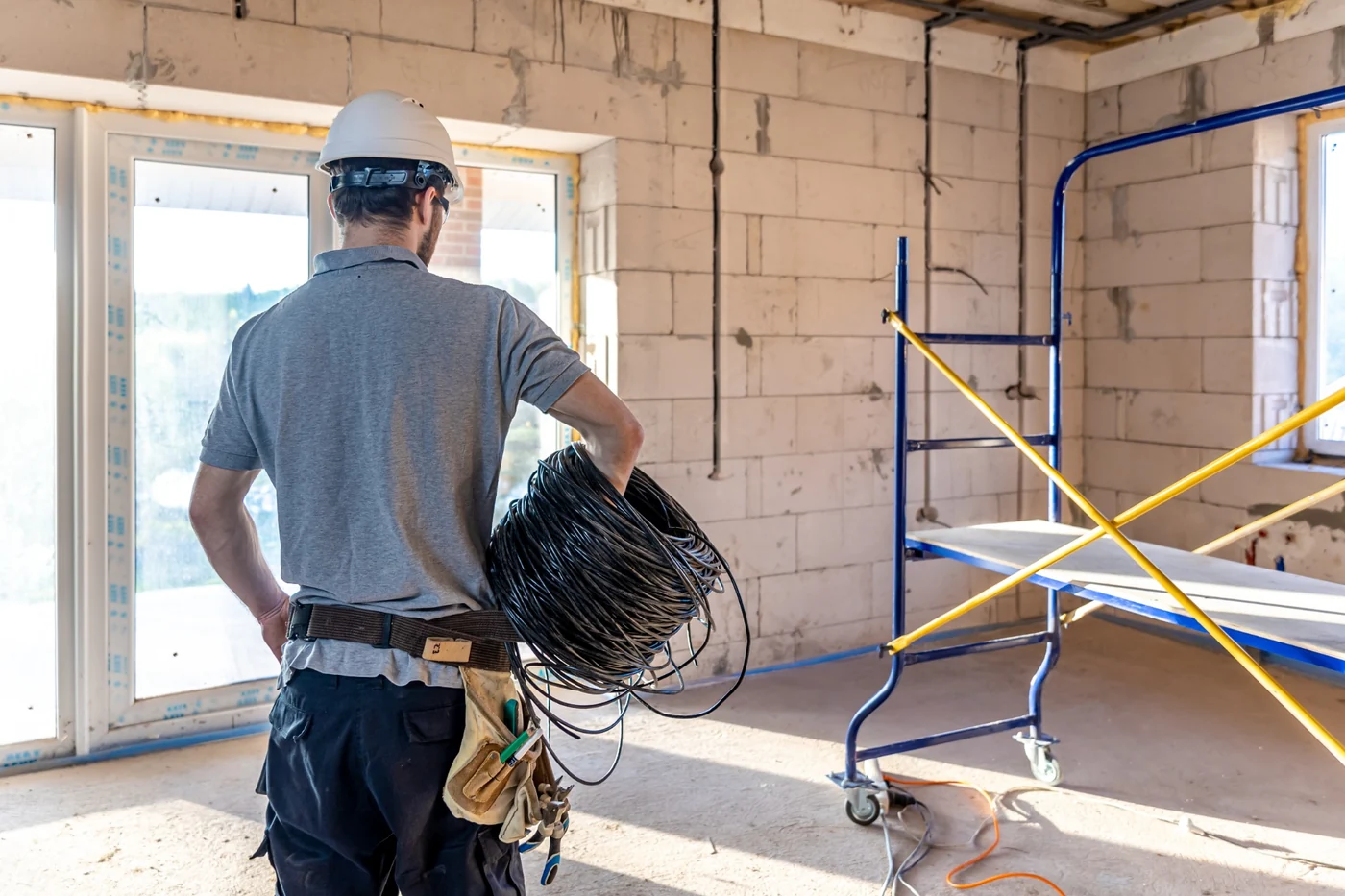
Renovations, extensions and new circuits
Wiring for Renovations, Extensions, Kitchens, Flatlets and New Electrical Circuits
Renovations and extensions are the right time to plan proper electrical wiring. Once walls are closed and finishes are complete, adding or correcting wiring becomes more difficult and expensive. Plug points, switches, lights, appliance circuits, outdoor power and DB board additions should be planned before the final finishes are installed.
Renovation wiring may include new plug points, new lighting circuits, switch relocation, kitchen wiring, bathroom electrical work, garage wiring, cottage wiring, outdoor lighting, dedicated appliance circuits, DB board additions, new circuit wiring and rewiring unsafe sections. A good wiring layout improves how the space works every day and reduces the need for unsafe extensions later.
New circuit wiring is often required when adding appliances, plug points, outdoor equipment, geysers, stoves, ovens, air conditioners, pool pumps, workshop tools or business equipment. A dedicated circuit from the DB board may be safer than overloading an existing circuit.
Dedicated circuits help prevent overload and nuisance tripping. Heavy appliances should not always share circuits with general plug points. Dedicated wiring can improve reliability and safety for geysers, ovens, stoves, pool pumps, air conditioners, compressors, servers and some workshop equipment.
Old wiring and rewiring services
Old Wiring, Partial Rewiring and Full Rewiring Support in Gauteng
Older properties may still work every day while the wiring behind the walls is no longer ideal for modern electrical loads. A qualified electrician can inspect the symptoms and advise whether targeted repairs, partial rewiring or more serious rewiring work should be considered.
Old Wiring That No Longer Suits Modern Loads
Many older homes and commercial spaces were not designed for the number of appliances and electronic devices used today. A property may now have air conditioners, pool pumps, home offices, entertainment systems, security equipment, fridges, freezers, battery backup systems and more plug-in loads than the original wiring layout expected.
When old wiring is placed under heavier use, you may notice warm plug points, flickering lights, nuisance tripping, limited plug points, brittle insulation, overloaded extension leads or unreliable power in certain rooms. An electrician can inspect the affected circuits and explain whether the wiring is safe, overloaded or due for replacement.
Partial Rewiring for Damaged or Unsafe Circuits
Not every property needs a full rewire. In many cases, only one damaged or unsafe section needs attention. This may be a plug circuit, lighting circuit, outdoor circuit, geyser circuit, kitchen circuit, garage feed, outbuilding supply or wiring damaged by renovations, rodents, moisture or heat.
Partial rewiring can remove unsafe joins, replace damaged cable, improve routing and give the circuit safer protection at the DB board. This is often the practical option when the rest of the installation is still in acceptable condition.
Full Rewiring for Serious Electrical Concerns
A full rewiring project may be considered where the installation is very old, badly modified, unsafe, repeatedly failing or no longer suitable for the way the property is used. This is more involved than a normal plug point repair and should be planned carefully around DB board capacity, room layouts, appliance positions, lighting points, switch positions and future expansion.
For renovations, a full or major rewire can be easier to complete before ceilings, cupboards, tiling and wall finishes are closed. Planning early saves labour and avoids damaging finished surfaces later.
Rewiring After Poor Previous Electrical Work
Unsafe wiring is often caused by previous shortcuts. Examples include hidden joints, exposed cable, incorrect cable type, poor trunking, overloaded circuits, bad earth connections, messy DB board wiring and socket outlets added without checking circuit capacity.
Our electricians can inspect suspicious electrical work, identify what needs correction and recommend a safer way forward. The aim is not to make the wiring look neat only from the outside, but to make sure the circuit is protected, connected and usable.
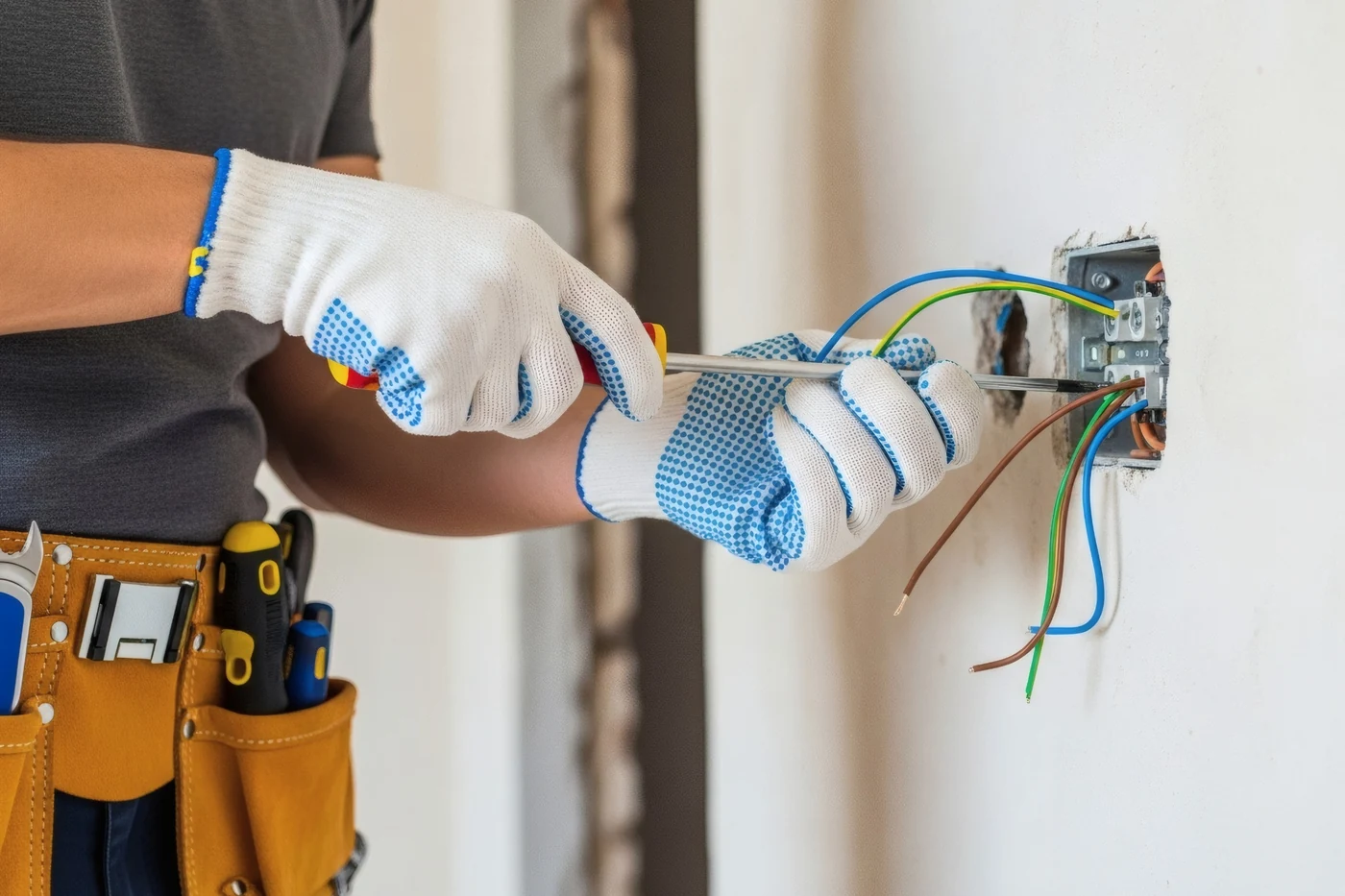
Appliance and equipment wiring
Electrical Wiring for Appliances, Equipment and Dedicated Circuits
Certain appliances and equipment should not simply be plugged into any available socket. High-load equipment needs suitable wiring, protection and isolation. If the circuit is not designed for the load, the result can be tripping, overheating, damaged sockets, burnt wiring or unsafe operation.
Our electricians can assist with wiring for ovens, stoves, geysers, extractor fans, dishwashers, washing machines, air-conditioner circuits, pool pump circuits, gate motor points, garage motor points, commercial kitchen equipment, workshop machinery and other fixed electrical loads. The correct approach depends on the rating of the equipment, the distance from the DB board, the cable route, the breaker size, isolation requirements and the existing electrical capacity.
Dedicated circuits are especially important when a load is heavy, runs for long periods, starts with a high current draw or must not share power with general plug points. Examples include geysers, ovens, stoves, pool pumps, air conditioners, compressors, server equipment and workshop tools. A dedicated circuit helps reduce nuisance tripping and makes future fault finding easier.
If you are adding new appliances during a renovation, moving a kitchen layout, installing a laundry area, converting a garage, setting up a home office or adding commercial equipment, involve an electrician before the final layout is closed. Correct electrical planning prevents ugly surface fixes, unsafe extension leads and unnecessary rework later.
Rental, sectional title and property maintenance
Plug Point and Wiring Services for Landlords, Tenants, Complexes and Property Managers
Rental properties and managed buildings need electrical repairs that are clear, practical and properly handled because faults affect tenants, maintenance budgets and property safety.
Rental Property Plug Point Repairs
Tenants often report plug points that do not work, broken socket covers, loose outlets, lights flickering, power tripping, geysers not heating or kitchen plugs that fail under load. A qualified electrician can inspect the issue, identify whether the fault is caused by the outlet, appliance, circuit, DB board or wiring, and provide a practical repair path.
Complex and Body Corporate Wiring Support
Complexes may need plug point and wiring repairs in units, garages, gate areas, guard houses, common areas, outdoor lighting circuits, pumps and access-control power points. Wiring work in shared spaces should be handled neatly and safely so future maintenance is easier.
Tenant Damage and Unsafe Additions
Rental units sometimes have damaged outlets, overloaded extension leads, DIY additions, loose plugs or wiring changes that were not approved. These issues can create ongoing maintenance calls and safety concerns. Electricians can inspect, repair and advise what needs correction.
Maintenance Records and Clear Communication
Property managers benefit from clear information. When the electrician can explain the affected circuit, likely cause and recommended repair, it becomes easier to approve work, communicate with tenants and reduce repeat call-outs on the same fault.
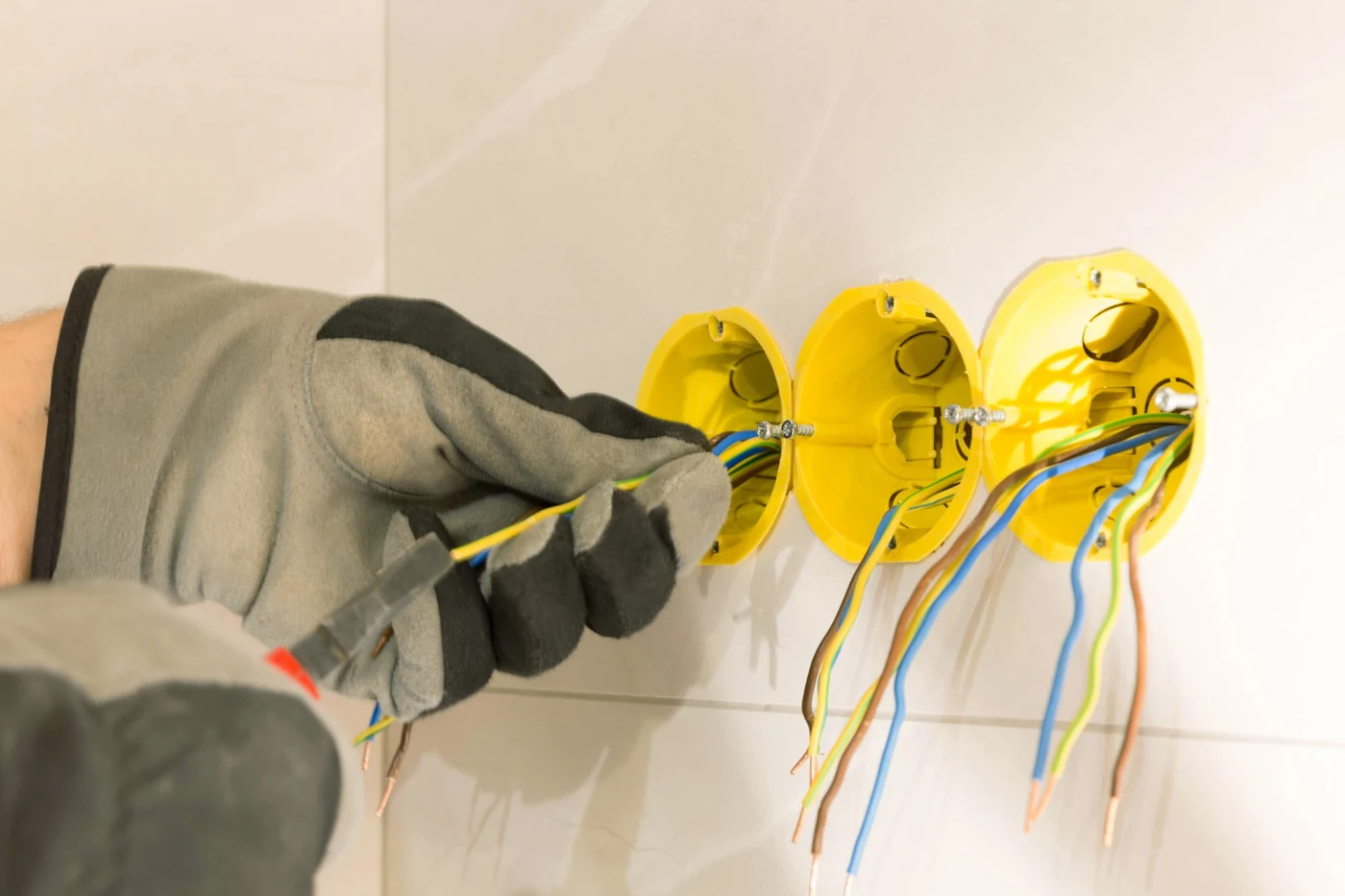
COC and wiring safety
Plug Points, Wiring Repairs and Electrical COC Correction Work
Plug points and wiring are often checked during electrical inspections and COC-related work. A property may fail a compliance inspection because of damaged plug points, exposed wiring, incorrect polarity, poor earthing, unsafe outdoor sockets, open junction boxes, missing covers, damaged switches, badly routed cable or poor DB board circuit protection.
Our electricians can assist with practical correction work where plug points and wiring affect electrical compliance. This may include replacing damaged outlets, correcting wiring connections, securing loose sockets, improving cable protection, repairing outdoor wiring, replacing unsafe components and checking whether circuits are labelled and protected properly at the DB board.
COC-related wiring work should never be treated as a paperwork exercise. The goal is to make the fixed electrical installation safer and compliant. A socket may still provide power while being incorrectly wired. A plug point may look acceptable from the front while the connection behind it is loose. Outdoor wiring may work in dry weather but trip earth leakage after rain. These are exactly the types of issues a careful electrician should identify and correct.
If you are selling a property, renovating, buying an older home, managing rentals or dealing with repeated electrical faults, plug point and wiring checks can help reveal hidden problems before they become more costly.
Why proper wiring work matters
Safety Risks of Poor Plug Points, Bad Wiring and Loose Electrical Connections
The electrical system can still work while being unsafe. That is why damaged sockets, burnt outlets, old wiring and repeated tripping should be checked before the problem becomes serious.
Fire Risk from Heat Build-Up
Loose terminals, poor contact, overload and damaged socket mechanisms can create heat. Heat can melt plastic, damage insulation and spread to nearby materials. Burn marks around a socket or DB board should always be taken seriously.
Electric Shock Risk
Exposed wiring, broken covers, poor earthing and damaged outdoor electrical points can increase shock risk. If conductors are visible or a socket is cracked, keep people away from the affected point until an electrician has repaired it.
Appliance and Equipment Damage
Poor wiring can create unstable power, arcing, intermittent supply and tripping. This can damage appliances, electronics, office equipment and business systems over time.
Repeated Tripping and Downtime
If a circuit trips repeatedly, the electrical system is warning you. Proper fault finding can identify overload, moisture, damaged cable, appliance faults or DB board issues before downtime becomes worse.
Non-Compliant Electrical Work
DIY wiring, hidden joints, poor outdoor cable routes and incorrect circuit protection can create compliance problems during future inspections, property sales or insurance-related checks.
Expensive Repairs Later
Small faults become more expensive when ignored. A loose connection behind one socket can eventually damage wiring, the breaker, the DB board and connected appliances.
Do Not Ignore Burnt Plugs, Hot Sockets, Sparks, Exposed Wiring or Repeated Tripping
Some plug point and wiring faults should be treated as urgent. If you smell burning, see melted plastic, feel heat at a socket, hear buzzing, notice sparks or experience repeated tripping, stop using the affected point and request electrician support.
Burning smell or melted plug point
A burning smell can point to overheating terminals, loose wiring, overload, poor contact pressure or damaged insulation behind the outlet.
Socket feels hot during use
Heat at a socket is not normal. The circuit, connected appliance and outlet should be checked before continued use.
Sparks or buzzing from the outlet
Sparking or buzzing can indicate loose connections, damaged contacts or unsafe wiring that should be inspected by an electrician.
Power trips when plugging in
Tripping can be caused by the appliance, socket, wiring, earth leakage, overload or DB board protection. Testing is needed.
Exposed wiring or cracked covers
Damaged covers and exposed conductors increase contact risk and should be repaired before the outlet is used again.
Outdoor plugs fail after rain
Moisture-related faults often affect outdoor plugs, garden circuits, gate equipment and exterior cable routes.
How our electricians approach the work
How Plug Point and Wiring Faults Are Checked Before Repair Work Starts
The right repair starts with understanding what failed and why. This avoids replacing the wrong part and helps prevent repeat faults.
Understand the symptom
We ask what stopped working, when it started, what trips, what appliances are involved and whether there is heat, smell, buzzing, sparks or visible damage.
Check the affected area
The electrician checks the socket, switch, wiring access, nearby outlets, appliance load and whether the same circuit affects other rooms or points.
Inspect the DB board and protection
The breaker, earth leakage device, circuit labelling, signs of heat and available circuit information help identify whether the problem starts at the board or downstream.
Test the circuit safely
Testing may include circuit isolation, voltage checks, earth checks, continuity checks, polarity checks and inspection of terminals or cable damage.
Repair or install correctly
The correct repair may be socket replacement, wiring repair, circuit correction, new cable route, dedicated circuit, breaker check or further fault finding.
Explain the safer next step
We explain what was found and whether the circuit needs repair, replacement wiring, additional plug points, DB board work or better load planning.
FREQUENTLY ASKED QUESTIONS
Questions Customers Ask About Plug Point and Wiring Services
These answers cover common customer questions about plug points and wiring in gauteng and explain how our electricians can assist with the fixed electrical installation.
Can you install additional plug points in Gauteng?
Yes. Electrician Electricians can assist with additional plug point installations for homes, offices, shops, garages, kitchens, workshops and commercial properties in Gauteng. The electrician checks the circuit load and wiring route before installation.
Can more plug points be added to an existing circuit?
Sometimes, but the existing circuit load must be checked first. If the circuit is already heavily loaded, a new dedicated circuit may be safer than adding more outlets to the same wiring.
Why does my plug point feel warm?
A warm plug point can be caused by overload, loose connections, poor contact, damaged socket contacts or wiring problems. Stop using the affected socket and have it inspected by an electrician.
Is a burnt plug point dangerous?
Yes. A burnt plug point is a warning sign of heat, poor contact, loose wiring or overload. It should not be used until a qualified electrician has inspected and repaired it.
Why do my plug points stop working?
Plug points may stop working due to a tripped breaker, faulty socket, loose connection, damaged wiring, overloaded circuit, earth leakage problem or DB board fault.
Can you repair damaged wiring?
Yes. Our electricians can inspect and repair damaged wiring where practical and safe. If the wiring is old, unsafe or badly damaged, replacement wiring may be recommended.
Do outdoor plug points need special protection?
Yes. Outdoor plug points must be suitable for outdoor conditions and protected against moisture, weather exposure and mechanical damage.
Can you wire a kitchen renovation?
Yes. We assist with kitchen plug points, appliance circuits, lighting, extractor fan wiring, stove wiring and oven wiring.
Do stoves and geysers need dedicated wiring?
Yes. Stoves, ovens and geysers usually require dedicated circuits with suitable wiring, breakers and isolation.
Who can I contact for plug points and wiring in Gauteng?
You can contact Electrician Electricians for plug point installations, plug point repairs, wiring repairs, electrical connections, new circuits and electrical fault finding in Gauteng.
Can old wiring cause tripping?
Yes. Old or damaged wiring can cause breakers or earth leakage to trip. It can also cause intermittent faults, flickering lights and safety risks.
Can you help with DB board wiring?
Yes. Our electricians can inspect DB board wiring, circuit protection, breaker ratings, earth leakage arrangements and circuit labelling where plug point or wiring faults connect back to the board.
Speak to a Gauteng electrician
Need help with plug points, socket outlets, electrical connections or wiring faults?
Call or WhatsApp Electrician Electricians with your suburb, what you need repaired or installed, and photos where it is safe to take them. Our electricians can assist with plug point repairs, additional socket outlets, wiring repairs, new circuits and electrical fault finding in Gauteng.