
Generator installations
Electrical installation support for standby generators, changeover switches, generator supply routes, DB board integration, connection points and safe backup power wiring.
Professional generator installations and generator electrical work for homes, businesses, complexes and commercial facilities across Gauteng. We assist with changeover switches, ATS systems, DB board integration, essential-load planning, 3-phase connections, inverter compatibility and repairs to existing backup power wiring.
A generator must be connected into a building safely. The electrical side needs the correct changeover arrangement, circuit protection, isolation, cable sizing, labelling and DB board layout so your generator can supply the right loads without creating backfeed risks, overload problems or confusion during power failures.
A generator becomes part of a property electrical supply the moment it is connected to fixed wiring. That means the work is no longer only about starting an engine and producing electricity. The generator supply must be introduced to the electrical installation in a controlled way, the normal utility supply must be isolated correctly during generator operation, the cable and circuit protection must suit the expected current, and the circuits being backed up must match the real capacity of the generator.
Voltana provides generator electrical work in Gauteng for homes, offices, shops, restaurants, warehouses, workshops, farms, schools, churches, commercial properties and light industrial sites. Our electricians assist with generator electrical connections, manual changeover switches, automatic transfer switch electrical work, generator supply circuits, DB board integration, essential-load separation, generator isolators, cabling, electrical fault finding and repairs to the fixed electrical installation serving the generator.
The correct generator arrangement depends on what the customer actually needs to keep running. A home may only need lighting, Wi-Fi, security, refrigeration and selected plug circuits. A retail business may prioritise tills, card machines, lighting and access control. A restaurant may need refrigeration and selected kitchen circuits. A warehouse may need high-bay lighting, roller doors and security. A workshop may need a compressor, pump or selected machinery, but the starting demand of that equipment can change the way the generator system must be planned.
Our generator electricians therefore start with the electrical requirement rather than a generic connection diagram. We consider the generator rating, single-phase or three-phase supply, the existing DB board, the circuits requiring backup, the cable route, isolation, source switching and how the property will be operated during an outage. The aim is a practical generator electrical system that the customer can understand and that does not rely on unsafe improvised backfeeding.
Fixed generator supply connections, inlet points, cabling, breakers, isolators and DB board work planned around the generator output and the circuits that need backup power.
Manual changeover and ATS electrical work that separates utility and generator supplies and provides a clear switching arrangement for the property.
Electrical investigation when the generator starts but the property has no power, breakers trip, only some circuits work or the changeover arrangement becomes hot or unreliable.
Fixed electrical wiring and DB board arrangements for properties using generators together with inverters, battery systems or other backup power equipment.
This page covers both new generator installations and electrical work on existing systems. The scope may include planning the connection point, selecting essential circuits, installing or correcting the changeover arrangement, integrating the generator with the DB board and checking whether the fixed wiring remains suitable for the property’s present backup-power needs.
A generator should never be connected according to appearance alone. The electrical design must respond to the generator rating, whether the property is single-phase or three-phase, the circuits that must remain operational, the location of the DB board, the cable distance, ventilation and access around the generator, and the way the customer will change between utility and backup power.
Residential, commercial and industrial generator projects can therefore look very different even when the generators appear similar. A small business may need a carefully separated essential-load board for lighting, tills, Wi-Fi and refrigeration. A warehouse may require selected three-phase distribution, roller doors, security and office circuits. A factory may need a staged plan that keeps only critical process equipment, controls, pumps or safety systems available without attempting to run the entire site from an undersized generator.

Commercial properties normally require more than a simple supply cable. The electrician must consider the main DB board, sub-distribution boards, normal operating demand, motor starting current, tenant circuits, fire and security systems, refrigeration, lighting and the practical sequence staff will follow during an outage.
Where the generator cannot support the complete building, an essential-load arrangement can keep priority circuits separate from non-essential equipment. This reduces overload risk and makes the backup system easier to operate and maintain.

Portable or trailer-mounted generators still require a controlled electrical connection when they supply fixed building circuits. A properly planned inlet, isolator, changeover arrangement and protected supply route provides a safer alternative to improvised leads and socket backfeeding.
The connection point should suit the expected generator current and phase arrangement, remain protected from accidental contact and weather exposure, and be clearly labelled so staff understand where and how temporary backup power is introduced.

Industrial generator electrical work may involve three-phase source switching, larger supply cables, discrimination between protective devices, motor starting demand, phase balance, plant controls and coordination with existing transformers, inverters or automatic transfer equipment.
The project should identify which machinery and process loads are genuinely critical. Trying to energise every circuit can cause severe voltage drop, nuisance tripping or generator overload, while a planned priority-load strategy gives the site a more dependable backup arrangement.
A generator electrical system must be planned as one complete supply arrangement. The generator, cable, switching equipment, DB board and backed-up circuits all affect each other, which is why the visible connection point is only one part of the work.
Our electricians assist with fixed electrical connections between the generator and the property electrical installation. The work may include a generator inlet or fixed supply point, generator supply cable, circuit protection, local isolation, changeover connection and DB board modifications. The connection method must suit the generator output and the way the property will use the generator.
Before a connection is installed, we consider the generator rating, operating voltage, phase configuration and expected load. A safe connection should allow the generator supply to be isolated, switched and distributed without using ordinary plug circuits as an improvised feed into the building.
A manual changeover switch gives the property owner or authorised staff a defined method of switching between the normal utility supply and generator power. The arrangement should ensure that one source is selected while the other source remains isolated. This separation is fundamental to preventing uncontrolled backfeed between two electrical supplies.
Our generator electricians can install and repair manual changeover arrangements for houses, shops, offices, workshops, farms and smaller commercial properties. We also assist where an existing changeover becomes hot, fails to transfer power correctly or has damaged wiring and terminals.
Automatic transfer systems are used where a site requires generator power to be introduced with less manual intervention. An ATS monitors the normal supply and forms part of a system that can transfer the electrical load to generator power when the utility supply fails, then return the installation to the normal supply when it is suitable to do so.
Our electricians focus on the fixed electrical installation, supply circuits, DB board integration, protection and transfer wiring associated with the ATS. Generator engine controls, proprietary controllers or manufacturer-specific programming may require the generator supplier or specialist technician, and we make that distinction clear when the fault is outside the building electrical installation.
Many generator problems begin because the generator is expected to carry every circuit in the property, including heavy loads that were never considered when the generator was selected. Essential-load separation allows the electrical installation to prioritise the circuits that genuinely need backup power instead of forcing the generator to support the full normal demand.
For a home, essential circuits may include lighting, internet, security and refrigeration. A business may prioritise tills, networking, servers, security and selected lighting. The final circuit selection should be based on generator capacity and actual operational requirements rather than a generic list.
The DB board is where the generator supply becomes part of the wider electrical distribution system. Generator integration may require a dedicated generator input, changeover connection, sub-DB board, essential circuit separation, new breakers, circuit identification or changes to existing wiring. An old, overcrowded or poorly labelled DB board may need corrective work before a reliable generator arrangement can be completed.
Our electricians assess how the existing circuits are distributed and how the generator supply should be introduced. This is particularly important where previous backup power alterations have left the DB board confusing or where customers no longer know which circuits are supplied during generator operation.
A generator can start normally while the property still receives no power. The fault may be at the generator breaker, isolator, cable, changeover switch, ATS, DB board connection or a downstream circuit. Repeatedly restarting the generator does not identify which part of the electrical path has failed.
Our generator electricians investigate the fixed electrical supply side and the fault pattern. Where the generator itself has an engine, alternator or proprietary control fault, a generator technician may be required. Where the problem is in the changeover, supply cable, DB board or building electrical distribution, we can assist with the relevant electrical repair.
Whether you need a safe generator connection, a manual changeover, ATS electrical work, essential-load separation or fault finding because generator power is not reaching the property, tell us what equipment you have and what the electrical system is doing.
The generator supply, utility supply and DB board must be connected through a deliberate switching arrangement. This prevents the two sources from being unintentionally connected together and gives the customer a clear, repeatable operating sequence.
Our electricians assess the changeover rating, supply conductors, neutral arrangement, isolators, protective devices, terminations and the condition of the fixed wiring before relying on the system during an outage.
The changeover arrangement is one of the most important parts of generator electrical work because it controls which electrical source is connected to the property. A correctly planned system provides a deliberate method of moving between the normal utility supply and the generator supply without creating an uncontrolled connection between the two sources.
When the utility fails, a manual changeover system requires the user to start the generator and select the generator supply in the correct operating sequence. An automatic transfer arrangement can form part of a system that detects supply loss and transfers the load according to its controls and design. In both cases, the fixed electrical wiring, protection and source isolation must match the installation.
A changeover switch should not be treated as a decorative box next to the DB board. The current passing through the switch, the condition of the terminals, the cable size and the way the neutral and supply conductors are arranged all influence the reliability of the system. If the switch becomes hot, smells burnt, feels loose or only supplies power intermittently, the cause should be investigated before the generator is relied on during the next outage.
Our generator electricians can inspect the changeover arrangement, trace the generator supply into the DB board and identify whether the problem is related to wiring, loose terminations, damaged switching equipment, protection or another part of the fixed installation.
A manual changeover system is often the practical solution for homes and smaller businesses, but the customer still needs to understand which position represents the normal supply, generator supply and any off or isolated position provided by the equipment. Clear labelling and a sensible physical layout reduce confusion during an outage when the customer is already working under pressure.
If an older changeover arrangement has been modified repeatedly, the electrical wiring may no longer be obvious. Our electricians can assess the fixed installation and recommend corrective work where the switching, labelling or DB board distribution has become unclear.
An ATS can only perform reliably when the electrical supply path and the generator control system work together. If the generator does not start, the fault may be in the generator controls. If the generator starts but the load does not transfer, the problem may involve the transfer system, wiring, protection or electrical supply path. If the ATS transfers repeatedly, unstable supply conditions or control issues may need specialist investigation.
Our role is to assist with the building electrical installation, ATS supply connections, DB board work and electrical integration. We do not pretend every internal generator controller or manufacturer-specific fault is ordinary electrical wiring work.
The sound of a running generator can create the impression that the backup system is working, but the electrical supply path may still be faulty. The generator breaker may be open or damaged, the supply cable may have a fault, the changeover switch may not transfer correctly, an isolator may have failed or the DB board connection may be loose. Only some circuits may work because the fault is downstream of the generator connection or because the essential-load distribution is not arranged as the customer expects.
Generator electrical fault finding starts with the exact symptom. Tell the electrician whether the generator produces output, whether the generator breaker trips, whether the changeover changes position, whether any circuits receive power and whether the fault only occurs when a specific load starts. A clear fault history helps separate a generator capacity problem from a wiring, switching or distribution fault.
The breaker should not be repeatedly reset without understanding why it trips. A trip may be caused by overload, a short circuit, equipment fault, damaged wiring or high starting demand from connected equipment. Fitting a larger breaker simply to stop tripping can remove protection from a circuit that still has a real electrical problem.
The generator output path, breaker, isolator, supply cable, changeover and DB board connection should be traced to find where the electrical supply stops.
Heat can indicate loose terminals, poor contact, overload or damaged switching components. The source of the heat should be investigated rather than ignored until the next outage.
The combined load, equipment starting demand, circuit condition and generator capacity should be considered before the breaker is reset or replaced.
The system may be intentionally separated into essential circuits, or there may be a downstream circuit, breaker, phase or DB board fault affecting the areas without power.
A generator should not be connected to a building by using an improvised plug-to-plug lead or by feeding electricity backwards through a normal socket outlet. This practice bypasses the controlled source-switching arrangement that should separate the generator from the incoming utility supply and can create dangerous live conditions in parts of the installation.
Backfeeding can place generator voltage onto wiring that people may assume is isolated. It can expose utility workers, electricians and occupants to electrical danger. The arrangement can also create uncontrolled interaction between the generator and utility supply if the electrical sources are not separated correctly. The generator itself and connected equipment may be exposed to damage when the system is operated incorrectly.
A proper generator connection provides a defined generator supply path into the fixed installation. Depending on the property, this may include a generator inlet or fixed connection, appropriately sized cable, circuit protection, isolation and a manual or automatic changeover arrangement. The generator power is then distributed through the DB board to the circuits selected for backup.
Customers sometimes use extension leads temporarily because the property has no generator wiring. Extension leads can supply individual appliances directly from a generator when used according to the equipment requirements and safe operating practices, but they are not the same as integrating a generator into the fixed electrical installation. When the objective is to power the building circuits, the electrical connection should be designed for that purpose.
Home generator systems work best when the electrical design reflects what the family actually needs during an outage. A generator that is correctly matched to lighting, internet, security and refrigeration can be very useful, while the same generator may struggle immediately if geysers, stoves, ovens, pool pumps and air conditioners remain connected without any load planning.
Our residential generator electricians can assist with manual changeover switches, generator inlet connections, fixed supply cables, essential-load DB boards, circuit breakers, isolators and DB board modifications. The existing home electrical system is considered before the generator is connected because older boards, mixed circuits and poor labelling can make it difficult to separate heavy loads from the circuits that should remain available during backup operation.
Essential-load separation is not about declaring the same circuits essential for every home. One household may need security, a gate motor and home-office equipment. Another may prioritise refrigeration, medical equipment or several lighting circuits. The generator rating and the combined demand determine how much can be supported at the same time.
Starting currents and heavy loads also matter. A fridge, freezer, pump or air conditioner may draw more current during starting than during normal operation. The generator can therefore appear adequate when loads are added on paper but still struggle when several appliances start together. Our electricians focus on the fixed installation and can help the customer understand which circuits are connected to the generator supply.
For a business, generator backup is usually about protecting operations rather than powering every electrical load exactly as if the utility supply were available. The circuits that keep money moving, staff working and the property secure should be identified before the generator system is integrated.
An office may prioritise network equipment, internet, servers, computers, selected lighting, access control and security. A retail store may need tills, card machines, display lighting, signage and security circuits. Restaurants and food businesses often place refrigeration high on the priority list because a prolonged supply failure can place stock at risk. The generator system should be planned around those operational priorities and the electrical capacity available.
Our commercial generator electrical work can include generator changeover systems, ATS electrical connections, essential-load DB boards, supply cabling, generator isolators, DB board upgrades and fault finding. Where a business already has a generator but the system has become unreliable, our electricians can inspect the fixed electrical connection and identify problems with the changeover, cabling, DB board or circuit distribution.
Commercial properties also change over time. A generator installed when the business was smaller may now be expected to support more computers, refrigeration, air conditioning or equipment. If the generator breaker trips during busy periods or the system becomes unstable when several loads start, the present demand should be compared with the way the backup system was originally planned.
Restaurants can place unusually heavy and varied demand on a generator. Refrigeration, extraction equipment, lighting, tills, coffee machines, dishwashers, ovens and other kitchen equipment may all operate during the same trading period. Trying to place every circuit onto generator backup can overload a system that was selected only for essential operations.
Refrigeration often deserves particular attention because a fridge or freezer circuit that loses power can place food stock at risk. The generator arrangement may therefore prioritise refrigeration, point-of-sale equipment, security and selected lighting before heavy cooking equipment. The final selection depends on the generator capacity and the electrical layout of the restaurant.
Our generator electricians can inspect the existing DB board and help separate essential circuits where practical. Where kitchen equipment has dedicated circuits, those supplies can be assessed individually. Where multiple appliances share poorly identified circuits, the electrical distribution may require corrective work before the generator system can be organised clearly.
If a restaurant generator trips only when the kitchen becomes busy, the fault history is important. The problem may be generator overload, equipment starting demand, a faulty appliance, damaged wiring or a circuit issue. Repeatedly resetting the generator breaker without identifying which load causes the trip can leave the business with an unreliable backup system at the exact time it is needed most.
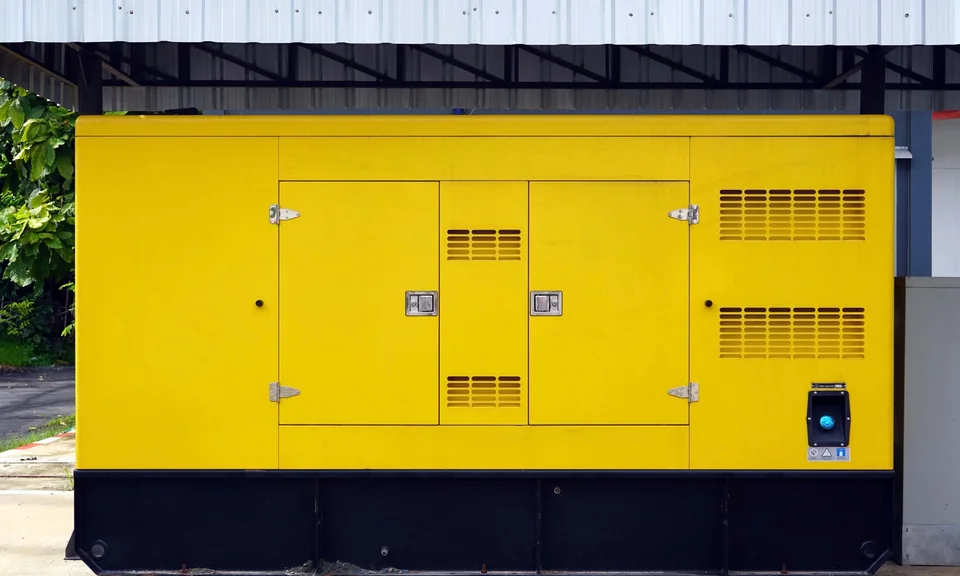
Commercial and industrial generator systems often support essential business loads, three-phase distribution, refrigeration, IT equipment, security, pumps, workshop circuits or selected production equipment. The generator connection must be planned around the actual loads that need to remain operational during a supply interruption.
We assist with generator supply circuits, three-phase changeover arrangements, automatic transfer electrical work, essential-load separation, DB board integration, protection and fault finding on the fixed electrical side of generator backup systems.
Larger commercial and industrial properties often use three-phase electrical supplies. Integrating a three-phase generator into that environment requires more than matching the generator voltage to the building. The phase arrangement, generator rating, distribution of connected loads, cable current capacity, changeover equipment and the operating requirements of the machinery all need to be considered.
A workshop may use compressors, welders and motors. A warehouse may have high-bay lighting, roller doors and charging equipment. A factory may depend on pumps, extraction systems, conveyors or selected production equipment. These loads can have different starting characteristics and may not be distributed equally across the electrical phases.
Poor phase distribution can create a situation where the total generator rating appears adequate but one phase is heavily loaded while another carries much less demand. Equipment starting on the heavily loaded phase can then cause tripping or unstable operation. The electrical distribution should be understood before additional industrial loads are placed on generator backup.
Our industrial electricians assist with the fixed electrical integration of three-phase generator supplies, including generator supply circuits, changeover systems, ATS wiring, DB board work, essential-load separation, cable installation and electrical fault finding. Specialist internal generator controls remain the responsibility of the appropriate generator technician where required.
When a factory or workshop loses utility power, not every machine necessarily needs to run. The business may need selected pumps, control equipment, lighting, security and one production line while non-essential loads remain isolated. Identifying those priorities can produce a more practical backup arrangement than connecting the entire property and hoping the generator can carry the demand.
Where several machines must operate, equipment ratings and starting behaviour should be considered. A motor or compressor may place a temporary high demand on the generator during starting, especially when other loads are already operating.
If one section of an industrial property loses generator power while another remains operational, the fault may be associated with a specific circuit, sub-DB board, breaker, phase or connection. A partial power failure should be traced through the electrical distribution rather than assuming the generator has failed completely.
Clear DB board labelling and an understandable generator distribution layout make fault finding easier. Older industrial sites that have expanded repeatedly may need circuit identification and corrective DB board work before the backup power arrangement can be managed properly.
Properties increasingly use a combination of utility power, a generator and an inverter or battery system. Each source can supply electricity, but the electrical installation must control how those sources connect to the loads and to each other. Poor switching or unclear DB board arrangements can create backfeed risks, unexpected circuit behaviour and equipment faults.
Some inverter systems can accept generator power as an AC input source. The generator must be suitable for the inverter requirements and the inverter settings may need to be configured by the solar or inverter specialist. Our electricians can assist with the fixed generator supply circuit, breaker, isolator, cable route and DB board integration required on the electrical installation side.
Compatibility should be checked before assuming any generator can simply be connected to an inverter AC input. Frequency stability, voltage quality, generator capacity and manufacturer requirements may affect whether the combination operates correctly.
A property may use batteries for fast backup during short outages and a generator for longer supply interruptions. In that arrangement, the essential-load DB board and source connections should be organised so the customer understands which circuits are supplied and which equipment should remain isolated during generator operation.
Confusing backup power alterations can leave circuits supplied from unexpected sources. Clear labelling and planned distribution help electricians maintain the system and help customers operate it correctly.
Where a generator has been added to a solar installation after the original installation, the AC protection and switching arrangement may need review. Our electricians can inspect the fixed wiring, generator supply path, DB board integration and isolators and identify electrical items that require correction.
Internal inverter faults, firmware or manufacturer configuration remain specialist inverter work. We focus on the fixed electrical installation and explain when another specialist is required.
Businesses often add backup equipment in stages. A generator is installed first, then an inverter and battery system, then solar, then additional circuits. Each project may work individually while the overall DB board becomes harder to understand. When expansion is planned, it is useful to review the full electrical supply arrangement rather than adding another disconnected changeover or unlabeled circuit.
Our electricians can help assess the fixed electrical infrastructure so generator, inverter and essential-load circuits are arranged more logically.
Send the generator model and rating, inverter model, property supply type and a short description of the current DB board arrangement. We can assess the electrical integration requirements and identify where specialist inverter configuration may also be needed.
The cable between a generator and the electrical installation carries the full generator supply being delivered to the property. Cable selection therefore needs to consider more than the physical size of the generator. The available current, single-phase or three-phase arrangement, cable length, installation method, environmental conditions and protective device all influence the electrical design.
An undersized generator supply cable can experience excessive voltage drop and heat. A cable that is mechanically unprotected can be damaged by vehicles, equipment or movement around the generator area. Outdoor cable routes may be exposed to moisture, sunlight and temperature changes. A cable passing through a workshop or industrial area may need protection from physical damage.
Our generator electricians assess the cable route and the electrical load before installing or replacing a generator supply cable. The generator breaker and the downstream protection should be considered with the cable rather than as unrelated components. Where the cable distance is long, voltage drop becomes a more important design factor.
Loose terminations at the generator inlet, isolator, changeover or DB board can create heat even when the cable size itself is suitable. A warm connection, burning smell, discolouration or intermittent generator supply should be investigated because resistance at a poor termination can continue generating heat while the system is under load.
A generator electrical system needs a practical way to isolate the generator supply and suitable protection for the electrical conductors and connected circuits. The exact arrangement depends on the generator, connection method and electrical distribution, which is why protection should be selected as part of the overall design rather than added as an afterthought.
The generator may have its own output breaker, while the building connection may include additional circuit protection and an isolator. The changeover equipment also has a current rating and must be suitable for the supply it is switching. In larger systems, sub-DB boards and separate essential-load circuits may have their own protection.
When a generator breaker trips repeatedly, the cause should be investigated before the breaker rating is changed. The trip may be correctly responding to overload, short circuit, damaged wiring or a faulty connected load. Increasing the breaker rating without checking the cable and circuit can expose the electrical installation to higher current without resolving the underlying fault.
Generator isolators and changeover equipment can also deteriorate. Mechanical wear, loose connections, heat and damaged contacts may produce intermittent supply or visible heat damage. Our electricians can inspect the fixed electrical equipment and replace damaged components where required.
Generator installations must be protected correctly. The generator supply side, changeover equipment, distribution board, essential circuits and connected loads all need suitable electrical protection. This can include circuit breakers, isolators, surge protection, correct cable terminations, safe conductor sizing, clear labelling and earthing checks. The details matter because generator backup power is still fixed electrical work once it is connected into the building.
Our electricians can assist with generator-related electrical correction work where existing installations are unsafe, unclear or unreliable. Common problems include generator supply cables that are too small, changeover switches that are not suitable, DB boards with poor labels, no clear separation between generator and grid supply, overloaded essential circuits, unsafe plug-backfeeding arrangements, damaged isolators, poor terminations and inverter generator input problems.
Where generator work affects the fixed electrical installation, COC-related concerns may also need attention. A property sale, rental inspection, commercial compliance requirement or insurance-related inspection may reveal generator-related defects such as exposed wiring, incorrect isolation, missing labels, poor DB board work or unsafe outdoor electrical arrangements. We can assist with the electrical correction work needed to make generator integration safer and easier to understand.
Generator surge protection should also be considered where sensitive equipment is connected. Computers, servers, routers, access control, gate motors, alarm systems, refrigeration controls and inverter electronics may be affected by poor electrical conditions. Surge protection does not guarantee equipment will never be damaged, but it forms part of a more responsible backup power installation.
Generators require engine and mechanical servicing, but the fixed electrical connection also deserves attention. A generator may be mechanically healthy and still fail to power the building because the changeover switch, supply cable, isolator or DB board connection has deteriorated.
Generator operation can introduce vibration, and high-current electrical connections can develop heat when terminals loosen or contact surfaces deteriorate. Changeover switches that are only used during outages may go long periods without anyone noticing that a connection has become unreliable. The fault is then discovered when the customer urgently needs backup power.
Our electricians can inspect the visible condition of generator supply cables, isolators, changeover equipment, breakers and DB board connections. We also investigate recurring tripping, intermittent generator power and heat-related electrical concerns. The maintenance focus is on the fixed electrical installation; engine oil, fuel systems and internal generator servicing remain generator technician work.
Maintenance is particularly useful for businesses that depend on generator power, properties with older changeover arrangements and sites where the generator system has been modified several times. A clearer electrical layout and corrected connections can make future fault finding easier.
Inspect signs of heat, loose terminals, damaged wiring and unreliable transfer where generator power fails to reach the electrical installation consistently.
Check physical cable condition, terminations, isolation equipment and electrical points exposed to weather, movement or repeated use.
Review generator input circuits, backed-up loads, breaker condition and labelling so the distribution remains understandable and practical.
Investigate breaker tripping, intermittent power, partial supply loss and faults that occur only when specific equipment starts or the load increases.
Many properties already have a generator installed, but the electrical connection may no longer suit the way the property is used. A home may have added solar, batteries, extra plug points or a home office. A business may have added refrigeration, additional tills, air-conditioning, new machinery, server equipment or tenant loads. When the electrical demand changes, the generator installation may need to be reviewed.
Our electricians can inspect existing generator electrical installations and assist with rewiring, DB board corrections, changeover upgrades, essential-load changes, generator inlet improvements, cable route corrections, isolator replacements, circuit labelling and inverter integration. This is especially useful where the generator trips, the inverter does not accept generator supply, only some circuits work, the DB board is confusing or staff do not know how to operate the changeover safely.
Some generator faults are not caused by the generator itself. The engine may start and run correctly, but the electrical connection may still be the problem. The issue can be a loose termination, overloaded circuit, incorrect changeover, wrong breaker, poor cable size, faulty isolator, unstable inverter input, bad neutral arrangement, moisture in an outdoor connection point or unclear DB board separation.
If the generator installation was done years ago, it may also be worth checking whether the current arrangement still makes sense. Backup power needs change. A system that was installed for a few lights and plugs may no longer be suitable for modern home offices, commercial IT equipment, security systems, solar hybrid inverters or expanded business operations.
Generator systems in rental and managed properties often pass through several tenants, maintenance contractors and equipment changes. Over time, circuits may be relabelled, new loads added and backup requirements changed. The generator may still run, but nobody is completely certain which circuits are supplied or how the changeover arrangement has been modified.
Voltana assists landlords and property managers with generator changeover repairs, generator electrical connections, DB board work, essential circuit separation, cable repairs and fault finding. Where a new commercial or industrial tenant requires different backup circuits, the existing electrical installation should be assessed before the tenant's generator is connected.
A new tenant may operate equipment that the previous tenant never used. The generator size, supply cable and essential-load distribution may no longer match the property use. Installing a larger generator without checking the existing changeover and cabling can create another mismatch in the system.
Clear circuit identification is particularly valuable in managed properties. Maintenance teams need to know which DB board contains the generator input, which circuits are essential and where the generator supply can be isolated. Good electrical organisation reduces confusion during outages and future repairs.
A new build or major renovation is a good opportunity to plan generator electrical infrastructure before walls, ceilings and external surfaces are complete. The generator does not always need to be purchased immediately for the electrical installation to be prepared logically for future backup power.
Early planning can identify a suitable generator location, cable route, changeover position and essential-load DB board arrangement. Space can be considered in the main DB board, circuits can be grouped more logically and routes can be prepared for generator supply cables. This can reduce the need to cut through completed finishes or rework a crowded DB board later.
For commercial and industrial projects, future generator preparation should also consider likely load growth. A generator connection designed around the first tenant may be unsuitable for a larger operation several years later. Where the property use is known, the electrical infrastructure can be planned with realistic expansion in mind.
Our electricians can assist with the fixed electrical side of generator preparation, including cable routes, supply points, changeover arrangements, essential-load separation and DB board planning. The final generator selection should still be matched to the actual load and project requirements.
Existing buildings often need more careful generator installation work because the DB board, wiring, circuit labelling and load arrangement may not be clear. Older homes may have unlabelled breakers, shared circuits, overloaded plug points or previous electrical changes that were never documented. Commercial buildings may have tenant additions, extra air-conditioning, new equipment, older sub-DBs or circuit changes made over several years.
Before generator power is connected, our electricians can inspect the DB board and identify whether the existing electrical system is suitable for safe backup power integration. In some cases, the generator installation can be completed with a suitable changeover arrangement and cable route. In other cases, DB board repairs, labelling, circuit separation, surge protection, new isolators or an essential-load sub-board may be recommended first.
Connecting a generator to a messy or unknown electrical system can make future faults harder to trace. A neat generator installation should make the building easier to understand, not more confusing. Clear labels, organised circuits and proper switching help homeowners, staff, facility managers and future electricians operate the system more safely.
New builds, renovations and commercial fit-outs are the best time to plan generator backup properly. When the walls, DB boards, cable routes and circuits are still being planned, the generator supply can be integrated cleanly instead of being forced into the system later. This can reduce ugly cable routes, awkward changeover positions and future electrical alterations.
For homes, generator-ready planning can include an essential-load DB, generator inlet point, selected plug and lighting circuits, garage/gate/security circuits, surge protection and inverter compatibility. For offices, shops and restaurants, generator-ready planning can include workstation circuits, POS supplies, refrigeration circuits, emergency lighting, access control, server circuits and suitable DB board capacity.
For commercial sites, generator readiness should also consider future growth. If a business may later install solar, batteries, extra air-conditioning, new machinery or additional refrigeration, the electrical design should leave space for safe upgrades. A generator installation should not block future solar integration or make later DB board expansion unnecessarily difficult.
Contact a generator electrician when the backup power system develops repeated electrical faults or unusual changes in the way the generator supply reaches the property.
A generator may start and sound normal while a fault remains in the breaker, supply cable, changeover switch, automatic transfer arrangement, isolator or DB board distribution. When the property does not receive power, the electrical supply path should be traced methodically instead of assuming that the generator engine or alternator has failed.
Repeated tripping also needs proper fault finding. A generator breaker or downstream circuit breaker may be responding to overload, damaged wiring, a short circuit, faulty connected equipment or high starting demand from motors, compressors, pumps and refrigeration equipment. Repeatedly resetting the breaker does not identify the reason the protective device is operating.
Heat, burning smells and intermittent transfer are especially important warning signs around changeover switches, isolators and generator connections. Loose or deteriorated terminations can create resistance and damaging heat. Our generator electricians can inspect the fixed electrical installation, identify the affected supply path and advise whether the problem is electrical or whether a generator technician or manufacturer specialist is required for an internal machine fault.
Arrange electrical fault finding when the generator connection or backup power distribution begins behaving differently from normal.
A generator electrical fault can remain hidden while utility power is available. The earlier the changeover, supply cable, DB board and generator circuits are investigated, the less likely the customer is to discover the fault only after the normal supply fails.
There is no single generator wiring package that suits every property. A safe and useful system is based on the relationship between the generator and the electrical load. The first question is not simply how many kilowatts the generator can produce; it is what the customer expects the generator to operate and how those circuits are arranged in the existing DB board.
A small home may only need selected essential circuits. A large home may have separate DB boards and several heavy loads that must remain off during generator operation. An office may require continuous IT and access control power. A restaurant may prioritise refrigeration. A warehouse may need lighting and security. A workshop may need one compressor or machine whose starting demand influences the generator requirement.
The property supply type also matters. Single-phase and three-phase generator systems are distributed differently, and the selected changeover equipment must suit the electrical supply arrangement. Cable distance and generator location affect the supply route. Automatic operation introduces ATS and control considerations. Existing inverter systems add another power source that must be understood.
When customers contact us, useful information includes the generator make and model, generator rating, whether the property is single-phase or three-phase, the equipment that needs backup and photos of the DB board where it is safe to take them. That information does not replace an electrical inspection, but it helps us understand the likely scope of the generator electrical work.
A generator electrical problem should be approached by following the power path. The electrician needs to establish whether the generator is producing suitable output, whether the output breaker remains closed, whether the supply reaches the isolator and changeover, whether the changeover supplies the DB board and whether the affected downstream circuits are intact.
If the generator starts but there is no power at the property, the fault may be before the DB board. If some essential circuits work while others do not, the fault may be in the circuit distribution. If the generator breaker trips only when a particular machine starts, the connected load and equipment supply need attention. If the ATS does not transfer, both the electrical path and the generator control system may need to be considered.
Lights flickering on generator supply can have several causes. The generator may be heavily loaded, a large motor may be starting, voltage regulation may be unstable or there may be an electrical connection problem. The exact behaviour and the loads operating at the time are important clues.
Our electricians focus on the fixed installation: cables, breakers, isolators, changeover switches, ATS electrical connections, DB boards and circuits. When testing indicates an internal alternator, engine or proprietary generator control fault, we advise that a generator specialist is required rather than presenting a wiring repair as the solution.
Tell us whether you need a new generator connection, changeover switch, ATS work, essential-load separation or electrical fault finding and describe what the system is currently doing.
Send the generator make, model and rating if available, the property location, whether the supply is single-phase or three-phase and photos of the DB board where it is safe to take them.
The relevant generator supply path, changeover, DB board, circuits, protection, cable route and connected loads are considered. Larger or three-phase systems may require more detailed site assessment.
The work may involve a generator inlet, supply cable, changeover, ATS electrical wiring, essential-load DB board, isolator, breaker, DB board correction or fault repair.
The completed fixed electrical work is tested as applicable and the customer is shown the relevant generator switching and circuit arrangement. Specialist generator or inverter configuration requirements are identified separately.
Voltana assists customers with generator electrical work across Gauteng, including Johannesburg, Sandton, Randburg, Roodepoort, Midrand, Centurion, Pretoria, Germiston, Boksburg, Benoni, Kempton Park, Edenvale, Alberton, Fourways, Bryanston, Bedfordview, Springs, Brakpan, Krugersdorp, Vereeniging and Vanderbijlpark.
We also assist in industrial and commercial areas such as Wadeville, Isando, Jet Park, Spartan, Chloorkop, Rosslyn and Silverton, subject to scheduling and project requirements. The type of generator electrical work can vary significantly between a residential property, retail unit, restaurant, warehouse and industrial site, so the project information helps us allocate the correct electrical support.
For generator connection work, tell us where the property is located, the generator rating and what you need to keep powered. For generator fault finding, explain whether the generator starts, which breaker trips, whether the changeover operates and which areas lose power. This information helps the electrician prepare for the electrical investigation.
These answers cover common customer questions about generator installations and electrical work in Gauteng and explain how our electricians can assist with the fixed electrical installation.
Yes. A qualified electrician can assess the generator and home electrical installation and install a fixed generator connection, changeover arrangement and relevant electrical protection. The connection should be based on the generator rating and the circuits the customer expects to power.
Where a generator supplies the fixed electrical installation, a suitable source-switching arrangement is generally needed to keep utility and generator supplies separated. The exact changeover arrangement depends on the installation and may be manual or form part of an automatic transfer system.
No. Backfeeding a property through an ordinary socket outlet or improvised plug-to-plug lead is not a proper fixed generator connection and can create serious electrical risks. A generator supplying building circuits should have a controlled connection and changeover arrangement.
A generator changeover switch is electrical switching equipment used to select which source supplies the property. It allows the normal utility supply and generator supply to be kept separated so the installation is connected to the selected source.
Yes. Voltana assists with manual generator changeover switch installations and repairs in Gauteng for homes, businesses, workshops and other suitable properties.
Yes. We can assist with the fixed electrical installation, supply connections, DB board integration and ATS electrical wiring. Generator start controls, proprietary controllers or manufacturer-specific programming may require the generator supplier or specialist technician.
Yes. Where the DB board and electrical installation allow it, essential circuits can be separated so the generator supplies selected loads instead of the full property. The circuit selection should be based on generator capacity and the customer's real backup requirements.
A generator breaker may trip because of overload, a short circuit, damaged wiring, faulty connected equipment or high starting demand from motors, compressors and other loads. The cause should be investigated before the breaker is repeatedly reset or replaced.
The electrical fault may involve the generator output breaker, isolator, supply cable, changeover switch, ATS, DB board connection or downstream circuit distribution. An electrician can trace the fixed electrical supply path and identify where the power is lost.
Some inverter systems can accept generator power as an AC input, but compatibility and manufacturer requirements must be checked. Our electricians can assist with the fixed generator supply circuit and DB board work, while the inverter specialist may need to configure the inverter settings.
Yes. We assist offices, shops, restaurants, warehouses and other businesses with generator electrical connections, manual changeovers, ATS electrical work, essential-load circuits, DB board integration and generator supply fault finding.
Yes. Our industrial electricians can assist with three-phase generator supply circuits, changeover systems, ATS electrical connections, DB board integration, essential-load separation and electrical fault finding for factories, workshops and industrial properties.
Yes. We can inspect generator changeover electrical faults such as overheating, damaged wiring, loose terminals, intermittent supply and failure to transfer power. If the switching equipment is damaged or unsuitable, replacement may be required.
Yes. We assist with generator supply cable installations. Cable selection depends on the generator current, cable distance, phase configuration, installation method, voltage drop and circuit protection requirements.
Contact Voltana for generator electrical work in Gauteng, including generator connections, changeover switches, ATS electrical work, DB board integration, essential-load separation, generator fault finding and backup power electrical repairs.
Generator sizing starts with the loads that must operate during an outage, not only the property’s main breaker size. Lighting, refrigeration, pumps, motors, compressors, air conditioning and machinery can have very different running and starting demands. An electrical load assessment helps identify a practical generator capacity and whether selected essential circuits should be separated.
It can only power the complete property when its continuous and starting capacity is suitable for the total connected demand and the electrical installation is designed for that arrangement. In many properties it is safer and more economical to supply selected essential circuits rather than every geyser, stove, air conditioner, motor or machine.
Often, yes. The DB board may need a generator incomer, changeover equipment, correctly rated protection, labelling, essential-load separation or corrections to existing wiring. The exact work depends on the board condition, available space, supply arrangement and the circuits chosen for backup power.
Yes. We can inspect the fixed electrical side of an existing generator installation, including the supply cable, isolator, changeover or ATS connections, DB board integration, protection, terminations, labelling and the circuits receiving generator power. Defects can then be identified and a repair or upgrade scope prepared.
Send the Gauteng property location, generator make and rating, whether it is single-phase or three-phase, photographs of the generator data plate and DB board where safe, the approximate cable distance and a list of the circuits or equipment you need to keep powered. For a fault, also explain what happens when the generator starts or when the changeover is operated.
Contact Voltana for safe generator electrical connections, changeover switches, ATS electrical work, essential-load separation, DB board integration, generator supply cables and electrical fault finding. Tell us what generator you have, where the property is located and what you need to keep powered.
