
Home EV charger electricians
Electrical supply for garages, carports, driveways, estates, townhouses and residential parking areas.
Need registered electricians for an EV charger installation at your home, office, commercial property, warehouse, workshop, complex or fleet parking area? Voltana installs and prepares safe EV charger electrical supply for normal AC power, dedicated charging circuits and solar energy systems.
Our electricians assist with EV charger electrical work for Deye, Sigenergy, Victron and Sunsynk solar systems, as well as standard AC grid supply. We plan the DB board connection, cable route, circuit breaker, isolator, earthing, surge protection, load impact and future expansion so your charger is connected to a supply that can actually handle the demand.
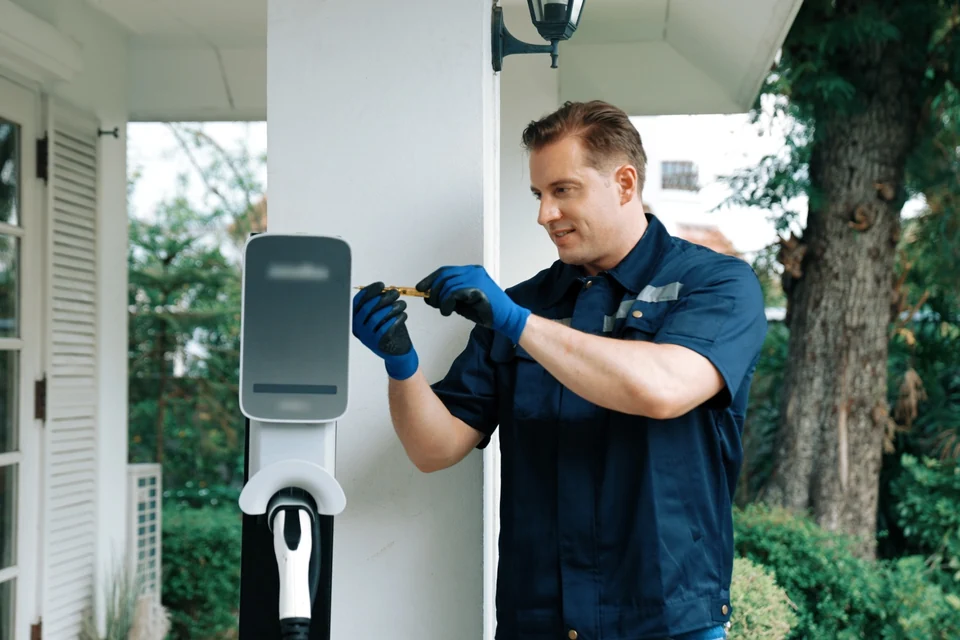
A charger is not a normal plug-in appliance. Correct circuit protection, cable sizing, isolation, DB board capacity and solar load planning make the installation safer and more reliable.

EV charger installations need proper electrical work from the start. Your charger may be connected to normal AC power, a dedicated home circuit, a commercial distribution board, a 3-phase supply, or a solar system with inverter and battery storage. Every option needs a safe supply path, suitable protection and a clear understanding of how much power the charger will draw.
Our registered electricians help you avoid overloaded plug circuits, incorrect breaker sizes, weak cable routes, poor isolator placement, nuisance tripping, overheating conductors and charger connections that are not planned around the rest of the property. We look at your DB board, available supply, existing solar system, essential and non-essential circuits, parking position, cable distance and future charging needs before recommending the correct route.
An EV charger installation is electrical work first. The charger unit may be the visible part on the wall, but the safety and reliability of the installation depend on the supply circuit behind it.
Our electricians help you install EV charger supply circuits correctly for homes, offices, complexes, workshops, warehouses, showrooms, commercial parking areas and fleet charging points. We focus on the electrical side of the installation: DB board capacity, circuit protection, cable sizing, isolator positioning, cable containment, earthing, surge protection, load balancing, labelling and testing.
If you are planning a home EV charger, we check whether the garage, carport or parking area can be supplied neatly without overloading existing plug circuits. If you are planning a commercial EV charger installation, we look at distribution capacity, 3-phase load balancing, future expansion, parking layout, tenant use, metering considerations and how charging will affect the rest of the building load.
Good electrical planning is especially important when your EV charger must work with solar. A charger can draw more power than many normal household loads. If it is connected without proper planning, it can drain batteries too quickly, overload an inverter, trip the backup system, or defeat the purpose of separating essential and non-essential loads. Our electricians help you choose a safer configuration before the work is done.

A home EV charger gives you more control over charging, but the electrical supply must be planned properly. Your home may already have heavy loads such as a stove, oven, geyser, pool pump, air-conditioners, underfloor heating, borehole pump, inverter, solar system and battery storage. Adding an EV charger without checking the main supply and DB board can create tripping problems, overload concerns and poor charging reliability.
Our electricians inspect the available supply and help decide whether the charger should be connected from the main DB board, a sub-board, a garage board, a non-essential supply, or a separately protected dedicated circuit. We consider the cable route from the DB board to the parking area, wall mounting position, isolator location, protection device, cable containment, voltage drop and whether future upgrades should be allowed for from day one.
For residential customers, we also look at practical use. You may charge mostly at night, during solar production, over weekends, or only when the battery system has spare energy. The electrical design should match how you actually use the vehicle. A neat charger installation should be easy to isolate, easy to identify at the DB board and safe for everyday use by your family.
EV chargers and solar systems can work very well together, but only when the electrical design is planned around load demand, inverter capacity, battery storage, charging behaviour and the property’s main electrical supply. A vehicle battery is large. If charging is not managed, it can consume a major portion of available solar production or drain a backup battery bank far faster than expected.
Our electricians assist with EV charger electrical planning for Deye, Sunsynk, Victron and Sigenergy systems. We can help review whether the charger should be supplied from grid-side AC power, a non-essential load board, a dedicated charging circuit, a smart energy configuration, or a controlled supply that does not interfere with critical backup loads. The right answer depends on the size of your inverter, the solar array, battery capacity, main breaker size, charger rating and the circuits that must remain protected during power failures.
For many homes, the EV charger should not sit on essential backup loads unless the system has been specifically designed for that demand. For commercial solar, EV charging may become part of a larger energy strategy, especially where staff or fleet vehicles can charge during daytime solar production. We help plan the electrical side so the charger installation supports the solar system instead of creating a new overload problem.

Commercial EV charger installations need stronger planning than a single home charger. The electrical design must consider users, parking layout, available capacity, 3-phase distribution, operating hours, energy cost, solar production, future expansion and the impact on the rest of the building.
Our electricians assist with commercial EV charger electrical supply for offices, warehouses, workshops, retail sites, dealerships, guest parking, staff parking, controlled access properties and small fleet environments. We can plan dedicated circuits, sub-board upgrades, cable containment, isolators, surge protection, breaker arrangements, phase balancing, charger positions and practical access for maintenance.
Commercial properties often already carry large loads such as air-conditioning, machinery, lighting, refrigeration, pumps, server rooms, kitchens, compressors, forklifts, security systems and backup power equipment. EV charging must be added carefully so it does not create peak demand problems, nuisance tripping or overloaded distribution boards. Where solar is installed or planned, EV charging can be aligned with daytime production to improve business energy use.
Electricians for staff charging, visitor charging, executive parking bays and controlled office charging points.
Electrical planning for businesses that need multiple charging points, future charger expansion and stronger load control.
Support for commercial sites that want EV charging to form part of a broader solar energy and battery storage strategy.
Review of phase availability, breaker selection, cable routes, sub-board capacity and distribution balance for larger chargers.
Practical electrical routing for wall-mounted chargers, carports, covered bays, external parking areas and future charger points.
EV charger supply can be separated from critical circuits so charging does not interfere with operational loads during outages.
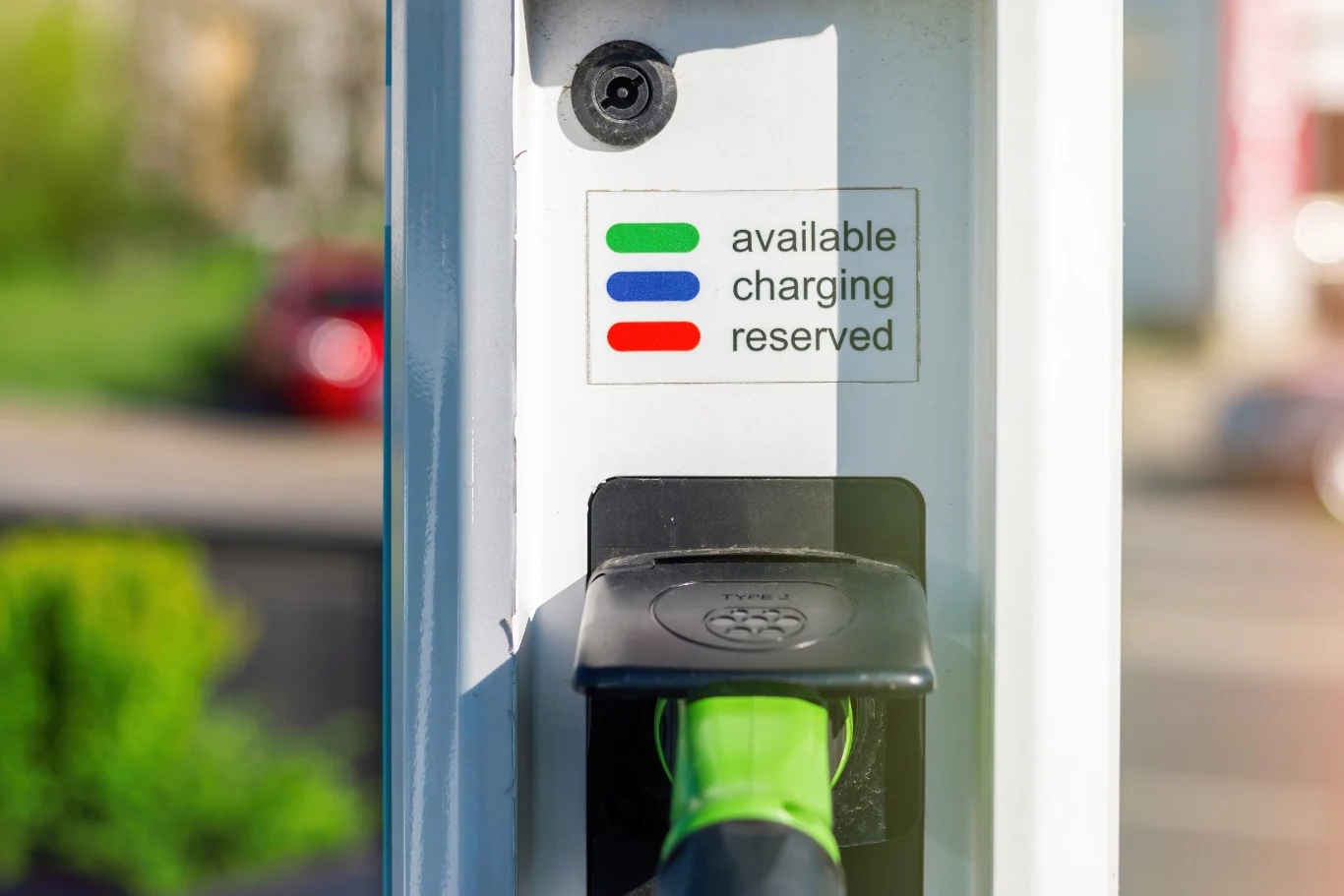
When EV chargers are installed for a business, the electrical contractor must think beyond a single charger on the wall. The installation may affect maximum demand, phase loading, tenant distribution, parking logistics, billing arrangements, security access, backup power behaviour and future expansion. A commercial electrician must understand the whole electrical system before cable is pulled.
Our electricians look at the incoming supply, main DB board, sub-boards, existing 3-phase load, spare capacity, cable routes, containment, trenching or surface routing requirements, isolator access, protection coordination and whether charging should be separated from essential building services. We also consider whether the site may add more EV chargers later, because installing with future expansion in mind is often more cost-effective than rebuilding the electrical route later.
For businesses with solar, commercial EV charging can support better daytime energy use. Fleet vehicles, company vehicles and staff cars may charge while solar production is available. For larger projects, the electrical work should be coordinated with solar system design, inverter capacity, battery storage strategy and possible load management. This is where experienced electricians add real value: the charger installation becomes part of the energy system, not an isolated accessory.
An EV charger needs the correct protective equipment. The DB board must have suitable capacity, the circuit breaker must match the cable and load, the cable must be sized for the installation conditions, and the charger must be isolated safely. If the existing DB board is crowded, poorly labelled, damaged, outdated or already overloaded, correction work may be required before the EV charger is connected.
Our electricians can assist with DB board inspections, breaker upgrades, sub-board planning, isolator installations, surge protection, cable route planning, labelling and visible safety corrections. We also check for warning signs such as hot breakers, discoloured wiring, weak terminations, missing blanks, unsafe additions and circuits that trip when heavy loads operate.
Where a charger is installed outside, cable containment and isolation become even more important. The cable route must be protected against physical damage, weather exposure, poor access and unsafe DIY modifications. The charger supply should be easy to identify and isolate, especially on commercial sites where more than one person may need to manage electrical safety.
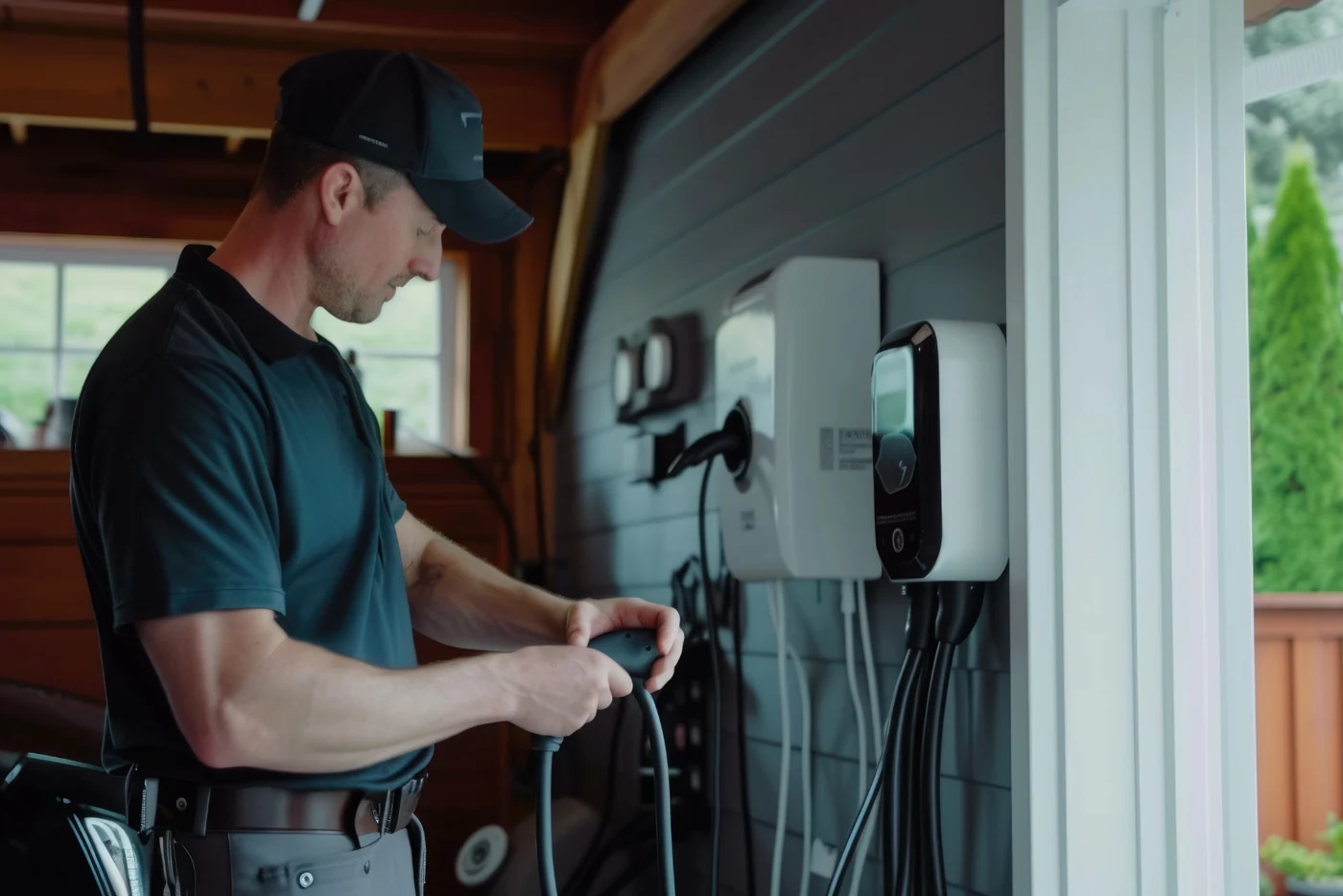
EV charging places a sustained load on the electrical system. If the charger trips power, the breaker gets warm, the isolator smells burnt, the cable route shows heat marks, or the DB board makes buzzing sounds, stop using the charger and request electrician support.
Repeated tripping can point to overload, weak protection, incorrect cable size, earth leakage concerns, poor terminations or a fault that needs proper testing.
Heat around EV charger protection can indicate poor contact, high current, loose termination, overloaded equipment or components that are not suitable for the load.
A burning smell is an urgent warning. Stop using the affected circuit and request electrical fault finding before the charger is used again.
If the inverter trips, batteries drain too quickly or backup power fails when charging starts, the EV charger may need to be moved to a better electrical configuration.
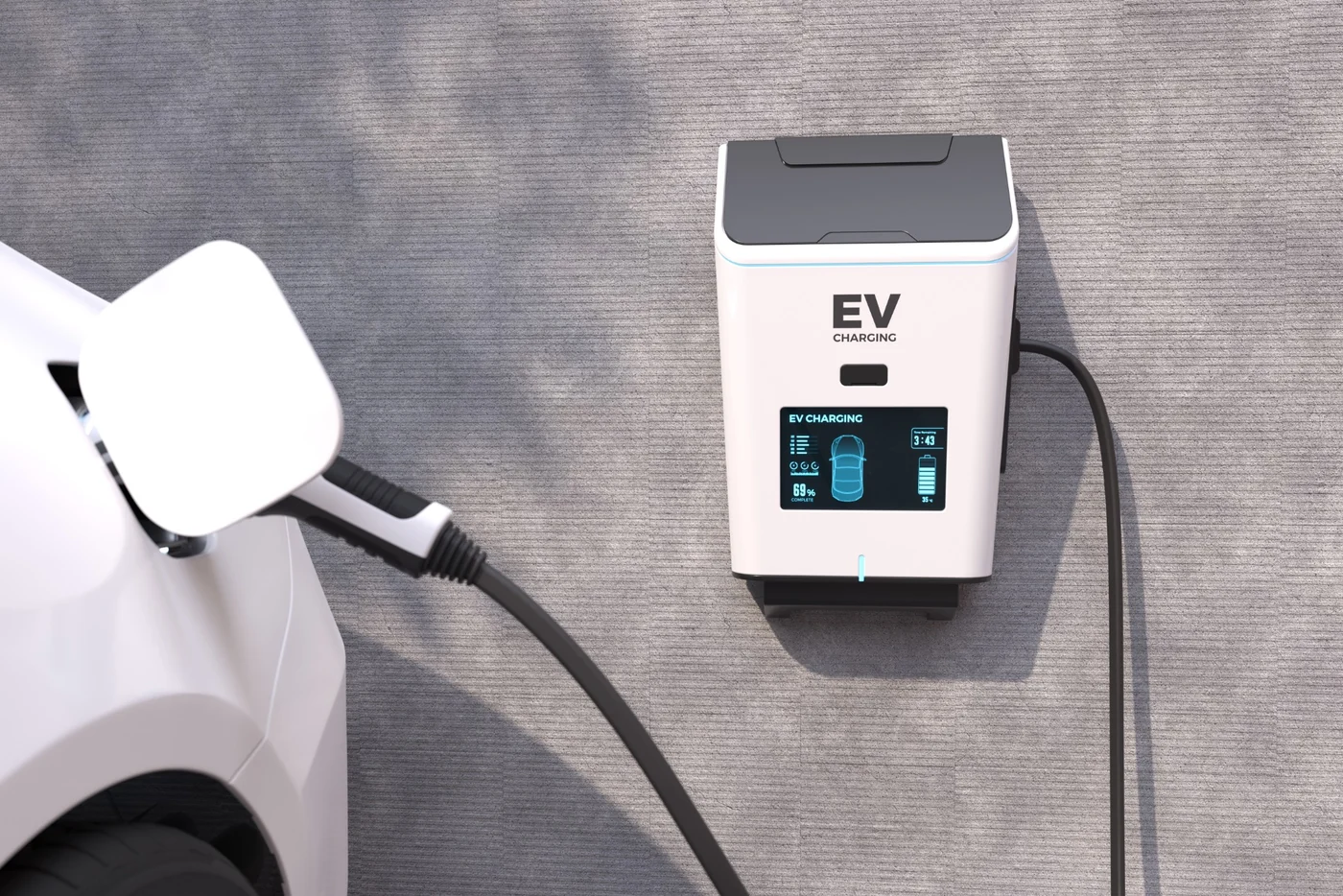
Existing EV charger installations are not always done correctly. If you bought a property with an EV charger already installed, added a charger through another contractor, upgraded your solar system, changed vehicles, or started experiencing tripping after charging, an electrical inspection can give you a clearer picture of the supply condition.
Our electricians can inspect visible EV charger wiring, DB board connections, breaker protection, isolators, labelling, cable routes, conductor condition, heat marks, weather exposure, earthing concerns and signs of poor workmanship. We can also help identify whether the problem is likely to be on the building electrical supply side, the charger supply circuit, the solar configuration, or the EV charger equipment itself.
Fault finding should not be guesswork. Replacing a breaker without understanding why it tripped can hide a real safety issue. Our electricians test and review the supply side before recommending correction work, rewiring, DB board changes, isolator replacement, load separation or charger relocation.
We look at the charger size, vehicle use, parking position, property type, existing supply and whether you need home, commercial or solar-linked EV charging.
The DB board, main breaker, spare capacity, phase arrangement, solar system and existing high-demand loads are reviewed before the charger supply is planned.
We plan cable route, protection, isolator position, containment, labelling, surge protection, access and future expansion where required.
Our electricians complete the wiring, protection, isolator, DB board connection, corrections or upgrades required for the EV charger supply.
The supply side is checked, labelled and explained so you understand how the EV charger circuit should be isolated and used safely.
Not every EV charger installation needs to be connected to a solar system. Many customers simply need a safe AC electrical supply from the building DB board to the charger position. Our electricians can install the dedicated supply circuit, breaker protection, isolator, cable route and labelling required for a clean charger connection on normal AC power.
Normal AC power installations still need proper planning. The charger may draw a steady load for hours, so the supply must be suitable for continuous use. The circuit should not be borrowed from a general plug circuit that already feeds other appliances. The electrical route must be protected, the isolator must be accessible, and the DB board should show clearly which circuit controls the charger.
For homes, this may mean a dedicated garage or carport circuit. For businesses, it may mean a sub-board, parking-area supply, 3-phase distribution review or future-ready cable route for more chargers later. Our electricians can help you decide what is practical before the installation starts.

Deye, Sunsynk, Victron and Sigenergy systems can all form part of a smarter EV charging setup, but each installation must be assessed around the actual inverter size, battery bank, solar array, backup circuits and site demand.
With Deye and Sunsynk hybrid systems, our electricians look at how the essential and non-essential loads are separated, whether the charger should be on the backed-up side or grid side, whether the inverter has enough capacity, and how charging will affect battery discharge during load shedding. In many homes, the correct answer is to keep the EV charger away from the essential load side unless the solar and battery system was sized specifically for that demand.
With Victron systems, EV charger planning may involve a more flexible energy design, especially where monitoring, control, generator integration or larger battery storage is involved. The electrical work still needs the basics done correctly: breaker protection, isolators, cable sizing, DB board arrangement, earthing, labelling and safe separation of loads.
With Sigenergy systems and other modern energy storage platforms, EV charging can become part of the broader energy ecosystem. The charger may need to work with solar production, battery priorities, export settings, backup behaviour and future upgrades. Our electricians help with the building electrical side so the charger supply is neat, protected and practical.
Review of essential loads, non-essential loads, inverter capacity, battery impact and charger supply position.
Electrical support for charger circuits, DB board separation, battery protection and backup-side load decisions.
Support for larger configurable backup systems, generator-linked properties and advanced energy setups.
Electrical preparation for modern solar storage systems where EV charging forms part of the energy design.
Charging must be planned so the EV does not unexpectedly drain the battery bank or overload the inverter.
EV charger electrical work can be planned with larger solar arrays, more batteries and future charger points in mind.
An EV charger installation should start with the electrical capacity of the property and the charging requirement of the vehicle. A charger can only use the power that the vehicle, charger and electrical supply arrangement allow. Installing a larger charger does not automatically mean the vehicle will charge at that full rate, and increasing charger demand can create unnecessary pressure on a residential or commercial electrical supply.
Our EV charger electricians assess the fixed electrical installation, DB board, supply configuration and intended charger location before a dedicated charging circuit is planned. The cable route, protective devices and isolation should suit the charger and the installation environment. For homes, the charging strategy should also consider geysers, ovens, air-conditioners, pool pumps and other loads that may operate while the vehicle is charging.
Commercial properties need the same principle applied at a larger scale. A single charger may be straightforward, while several charging bays can materially change the site demand. Future charger expansion should be considered before the first circuit is installed so that the electrical distribution is not rebuilt every time another charger is added.
Many homes use single-phase supplies, while commercial properties and some larger residences use three-phase electrical systems. The charger specification and property supply should be checked before equipment is ordered. A three-phase charger cannot be treated as a generic replacement for a single-phase charging point without considering the actual electrical supply and vehicle charging capability.
Where three-phase charging is planned, our electricians can assess the relevant distribution board, phase arrangement and dedicated circuit requirements. The wider property load still matters because EV charging becomes part of the site's overall electrical demand.
Customers often focus on charging speed, but faster charging generally means higher electrical demand. The practical solution is to balance charging time with the capacity of the property, the vehicle's onboard charging limits and the customer's normal driving pattern.
For many homes, overnight charging can allow a lower charging rate to replenish the vehicle without forcing the electrical installation into an unnecessarily large upgrade. For businesses and fleets, the charging schedule, vehicle turnover and number of chargers may justify a different electrical approach.
An EV charger can become one of the largest electrical loads at a home or business. Where solar panels, a hybrid inverter and battery storage are already installed, the charger should be planned around the energy system rather than simply connected to whichever DB board is closest. The customer should decide whether the goal is to charge mainly from the grid, use daytime solar generation, avoid discharging the battery into the vehicle or coordinate charging around cheaper and lower-demand periods.
The correct arrangement depends on the inverter architecture, charger features and wider electrical distribution. Some systems use monitoring or load-management functions to influence when and how strongly the vehicle charges. Other installations rely on practical circuit placement and a charging schedule. The electrical system should be understood before assumptions are made about 'solar charging'.
Our electricians can assist with the fixed AC supply to the EV charger and coordinate the circuit with the existing solar, inverter and battery installation. Manufacturer-specific software, charger commissioning and proprietary energy-management configuration may also require the charger or inverter supplier.
A large vehicle battery can contain substantially more energy than a typical residential stationary battery bank. Allowing an EV charger to draw heavily from home batteries can shorten the property's backup duration and may cause the inverter or battery system to work at high output for extended periods.
Where daytime solar charging is the goal, the charger schedule and site load can be planned so more vehicle charging happens while PV generation is available. The actual behaviour depends on the equipment and should be confirmed for the specific system.
Sectional title properties, estates, office parks and managed buildings can face a different EV charging problem from a stand-alone home. The first charger may appear easy to connect, but additional residents or tenants can quickly create demand for more charging points. The electrical distribution, parking layout, cable routes, metering approach and available supply should be considered before chargers are added independently.
Our electricians can assist with the fixed electrical assessment and circuit planning for suitable managed properties. A body corporate, landlord or property manager may also need to establish internal approval, billing and parking policies before a final electrical design is implemented. Those management decisions affect where chargers are supplied from and whether dedicated sub-distribution or future expansion space is needed.
For commercial fleets and business parking areas, the same long-term view is useful. Planning the first charger around a future group of charging bays can reduce repeated DB board changes and avoid an untidy collection of unrelated circuits.
EV charging affects the DB board, property load and sometimes the solar or battery system already installed at the site. These questions explain dedicated charger circuits, single-phase and three-phase charging, solar coordination, commercial charging and the electrical work our electricians can assist with.
Yes. An EV charger is a significant fixed electrical load and should have a suitable supply circuit, cable, protection, isolation and DB board connection. Our registered electricians can assess the property and complete the fixed electrical installation work for the charger.
Yes. AC EV chargers can be supplied from a suitable normal electrical installation. The property supply, DB board capacity, cable route, breaker protection, earthing and charger requirements should be checked before the charging circuit is installed.
A fixed EV charger should generally be planned on a dedicated supply circuit so the cable and protective devices are selected around the charger and the circuit is not shared unpredictably with normal plug or appliance loads.
Possibly, but the vehicle, charger and property supply all influence the practical charging rate. A higher-rated charger can create substantially more electrical demand and may require a different circuit or wider electrical upgrade. The vehicle's onboard AC charging capability should also be checked.
Single-phase and three-phase chargers use different electrical supply arrangements. The property supply and vehicle charging capability should be confirmed before equipment is selected. Commercial properties are more likely to have three-phase distribution, but the charger still needs a dedicated circuit planned around the site.
Yes. EV charging can add a large continuous load while geysers, ovens, air-conditioners, pool pumps and other equipment are also operating. The electrical installation should be assessed so charging demand is considered as part of the whole property's load.
Yes. Where the existing DB board is unsuitable, we can assist with applicable DB board corrections, additional circuit capacity, dedicated EV charger protection, isolators, labelling and sub-board planning.
Yes. Our electricians can inspect visible charger wiring, breaker protection, isolators, cable routes, DB board connections, labelling and signs of heat or damage. Repeated tripping or intermittent charging can also be investigated on the fixed electrical supply side.
The cause may involve circuit overload, damaged wiring, loose connections, a protective-device issue or a fault associated with the charger or vehicle. The circuit should be tested before the breaker is repeatedly reset or replaced with a larger device.
EV charging can be coordinated with suitable Deye, Sunsynk, Victron, Sigenergy and other solar or battery systems, but the design depends on the actual inverter, charger, battery bank and electrical distribution. Brand compatibility and proprietary control functions should be confirmed for the specific equipment.
Yes, solar generation can contribute to EV charging when the charger and electrical system are arranged appropriately. The amount of charging supplied by solar depends on PV production, the property's simultaneous load, charger demand and any inverter or energy-management controls.
It can if the charger is supplied from an inverter-backed circuit and the system allows the vehicle to draw from the battery bank. An EV battery is often much larger than a residential stationary battery, so uncontrolled EV charging can reduce home backup time quickly.
Yes, where the electrical installation and system design allow it. Many customers prefer the EV charger to remain outside the essential-load side so vehicle charging does not consume battery backup intended for the home or business during an outage.
Yes. We can plan the fixed charger supply around an existing solar and battery installation and help determine whether the charger should be grid-side, inverter-side or coordinated with a wider energy-management arrangement.
Yes. We assist with commercial EV charger electrical supply work for offices, business premises, warehouses, parking areas and suitable fleet applications. Larger sites may require three-phase planning, sub-distribution, load assessment and future charger expansion planning.
Yes. Multiple chargers should be considered as a group because the combined demand can be significant. The site supply, distribution boards, cable routes, charger quantities, expected charging schedule and future fleet growth should be assessed before circuits are installed one by one.
EV charging can be planned for sectional title and managed properties, but the electrical supply route and property-management approval process should be considered. Body corporate or landlord decisions around parking, billing and future expansion can affect the final electrical arrangement.
We can assist with suitable charger installation projects and the fixed electrical supply work. The exact scope depends on the charger brand and commissioning requirements, because some proprietary chargers require manufacturer-specific setup, software or authorised commissioning.
Yes. Early planning can allow a suitable cable route, DB board capacity and charging location to be considered before paving, ceilings and finished walls make later electrical work more disruptive.
We can assist with the fixed electrical installation and applicable correction work around the charger circuit. Electrical compliance certification must be completed within South Africa's electrical regulatory framework by an appropriately registered person.
Contact Voltana for EV charger electrical supply circuits, DB board work, isolators, fault finding, solar coordination and residential or commercial EV charging projects in Gauteng.
Tell us the vehicle or charger model if known, the property type, parking location and whether the site has solar, batteries or a three-phase supply. Our electricians can help plan the dedicated electrical circuit, DB board work and charger supply.
