GENERAL PLUMBING SUPPORT
Repairs, installations and maintenance in Moot
Leaking taps, toilets, appliance connections, bathroom plumbing, pipe repairs and maintenance — inspected, explained, and tested before we leave.
View Plumbing Services ›🔧


Plumbing support in Moot should start with a clear understanding of the problem. We assist homes, complexes and businesses with urgent faults, everyday repairs, installations and preventative maintenance, with the repair scope explained before work proceeds.
Leaking taps, toilets, appliance connections, bathroom plumbing, pipe repairs and maintenance — inspected, explained, and tested before we leave.
View Plumbing Services ›Active leaks, burst pipes, blocked drains and failed geysers need fast isolation. We secure the site first, then plan the repair.
Request Emergency Help ›Plumbing faults are easier to isolate when their timing and triggers are recorded. We compare affected fixtures, meter movement, pressure behaviour and whether the problem follows a particular use. Only once the pattern is consistent should invasive access or component replacement be considered. This approach keeps access work proportionate and makes it easier to separate an essential repair from optional preventative work. Moot, Moot., before the visit, note whether the symptom appears continuously, only during fixture use, or after rain, because that timing can shorten the first round of testing. Escalate the call if a temporary isolation stops essential water to the whole property or cannot be maintained without supervision. A clear quotation should distinguish confirmed work from optional access or preventative items that depend on what testing reveals.Useful evidence usually comes from the stopcock, water meter, pressure behaviour and the fixture or appliance operating when the symptom appears. Keeping those clues separate helps distinguish a supply fault from a waste, seal or building-envelope problem. Moot, this makes the diagnostic path easier to explain and verify.A clear handover should identify what was tested, what evidence supported the diagnosis and which work still requires approval. That explanation makes the quotation easier to assess before intrusive work begins.Customers in Moot can compare the next diagnostic steps under South African plumbing requirements. A plumbing fault can involve the outlet itself, the connection behind it, a shared pipe route or a separate building-water source. Separating those entities answers the practical question of whether the repair belongs at the fixture, inside the wall, below the floor or elsewhere in the system. For Moot, Evidence-led fault finding compares the system before and after isolation, operation or controlled loading. The customer can then see why a particular repair is proposed and why unrelated parts are not included. In Moot., this records the practical basis for the recommendation and gives the customer a clear point to verify at handover. The diagnosis is documented as observed, suspected or confirmed so that the customer can distinguish evidence from an assumption. Moot., this provides a clear record of the evidence, expected at handover. For Moot, The Moot., For Moot, In Moot with clear fault finding and repair guidance., html">professional leak detection options before deciding whether further access or testing is justified.
From leak isolation to drain clearing or new installations in Moot — we inspect, explain the scope, and test before handover.

The useful test after unblocking is repeated performance under normal discharge. Repeated flushing or sustained flow helps reveal whether the restriction has genuinely been removed. Any remaining limitation should be explained before the job is treated as complete. A stable test result gives the homeowner a useful baseline and makes any later change easier to assess. Moot, Moot., note whether the problem began suddenly or worsened over days, and mention any recent building work, root activity or repeated use of drain chemicals. Repeated overflow after a recent clearing is a warning that the underlying restriction or pipe condition has not been resolved. Camera inspection is most useful when recurrence, structural damage or an uncertain route needs to be investigated; it is not automatically required for every simple blockage.Gurgling, rising water and slow discharge point to different pressure and airflow conditions inside the waste system. The trap, venting path and downstream pipe should therefore be considered together rather than treating every blockage as a single plug. For properties in Moot, this keeps the investigation centred on the section of pipe that actually controls the flow.A responsible recommendation explains whether the result is expected to be permanent or whether inspection and follow-up work may still be needed. A clear quotation separates immediate unblocking from camera inspection or structural repair.Customers in Moot can review the next drainage options under professional drain-clearing support. The investigation should relate the blockage to the pipe material, diameter, fall, joints and downstream connection. Those entities help explain recurring symptoms, expected cleaning limits and when replacement becomes more sensible than repeated clearing. For Moot, Drainage authority comes from tracing the affected fixtures, confirming the direction of flow and observing how the line responds to cleaning or camera inspection. The result should show whether the obstruction was removed, whether damage remains and why recurrence is or is not expected. In Moot., this records the practical basis for the recommendation and gives the customer a clear point to verify at handover. The handover states whether flow was restored, the underlying cause was identified, or damaged pipework still requires a separate repair. Moot., this provides a clear record of the evidence, expected at handover. For Moot, the useful extra detail is the recurrence test: compare flow at the affected fixture and a connected outlet, note what material or defect was found, and state whether the result supports cleaning, camera inspection or pipe repair rather than another temporary clearing. The Moot., the answer should connect affected fixtures, flow behaviour and recurrence evidence to the next service option. For Moot, For Moot with clear fault finding and repair guidance., the drainage topic is complete only when it relates the affected fixture to the trap, branch line, stack, inspection point and external sewer route. Flow direction, shared symptoms, obstruction material and pipe condition then explain whether the appropriate outcome is clearing, camera inspection, maintenance or structural repair. Customers comparing the next drainage step can also review local drain-cleaning support.
Blocked drain help ›
Hidden-water investigations should separate active loss from moisture that forms only under certain conditions. The area is assessed while plumbing is idle and again when the suspected fixture or appliance operates. The chosen repair should include a clear way to confirm that the moisture source has stopped. The repair decision should follow the proven moisture route, because replacing a nearby fitting will not solve water arriving from elsewhere.For unexplained water in Moot, Moot., note whether dampness changes after showering, flushing, rainfall or hot-water use, since the operating trigger can narrow the likely route. Contaminated water from a waste or sewer route should be treated differently from a clean supply leak because hygiene controls are required. Residual dampness can remain after the source is stopped, so agree on the expected drying period and the sign that would indicate renewed leakage.Leak detection should distinguish active flow from retained moisture. A stable meter, drying trend and repeatable trigger may redirect the investigation toward a waste seal, shower interface or weather-related entry point. For properties in Moot, this reduces the risk of opening finishes before the likely water route has been tested.If moisture remains after repair, the handover should explain expected drying time and the signs that would indicate continued water entry. The customer should be told which area is confirmed, which is only suspected and what further access would prove it.Customers in Moot can review concealed-leak options under water-leak guidance for Gauteng. Pressure loss, meter movement, thermal change, acoustic evidence and controlled fixture use each test a different leak hypothesis. Together they answer common questions about hidden leaks, detection confidence, invasive access and proof that the source has stopped. For Moot, The investigation becomes stronger when meter movement, pressure response, controlled fixture use or moisture readings point to the same source. Agreement between independent observations gives the customer a clearer basis for approving access and repair. In Moot., this records the practical basis for the recommendation and gives the customer a clear point to verify at handover. The report separates the confirmed moisture source from nearby conditions that may still need monitoring or specialist attention. Moot., this provides a clear record of the evidence, expected at handover. For Moot, The additional value is a source-by-source comparison: identify the operating condition that reproduces the moisture, record meter or drying behaviour, and separate plumbing repair from waterproofing, building-envelope work and later reinstatement. The Moot., the answer should separate a confirmed plumbing leak from waterproofing, rainwater entry and residual moisture. For Moot, Leak guidance for Moot with clear fault finding and repair guidance. should connect meter behaviour, pressure loss, fixture seals, supply pipework, waste connections, waterproofing and residual moisture. Mapping these related entities prevents dampness, a plumbing leak and a building-envelope problem from being treated as interchangeable causes. For supporting information on source tracing and repair scope, see urgent leaking-pipe repairs.
Leak detection help ›
The description of the fault matters because not every hot-water problem starts at the geyser itself. We check what still works, where water appears and whether the condition changes when hot-water demand begins. The system must be tested after the work for heating, leakage and stable delivery. Where water and electricity may interact, safe isolation takes priority over attempts to keep the system operating.To prepare for geyser diagnosis in Moot, Moot., record when the water last heated normally and whether the fault followed a power interruption, plumbing repair or change in pressure. Keep people away from a saturated ceiling beneath a cylinder because damaged board can fail without much warning. A repair-versus-replacement comparison should consider the confirmed fault, condition of the cylinder, repeated failures and the total scope needed for a safe result.Poor hot-water delivery can result from a heating component, mixing issue, pressure imbalance or restricted flow. Temperature, recovery time and outlet behaviour should be compared before a cylinder replacement is proposed. That distinction helps customers in Moot understand which part of the hot-water system is actually limiting performance.A repair quotation should identify the part being replaced and any compliance work that is necessary for safe operation rather than presenting one unexplained total. The handover should confirm heating, pressure behaviour, visible leakage and the operation of safety components.Further hot-water system guidance for Moot is available in professional geyser fault diagnosis. The system assessment should consider stored-water capacity, incoming pressure, heat source, safety controls and the condition of connected pipework. Those entities answer practical questions about performance, compatibility, operating cost, compliance and expected service life. For Moot, Testing a geyser should reproduce the heating and delivery conditions that exposed the complaint, including recovery, discharge and outlet performance. That creates evidence of both function and safety at handover. In Moot., this records the practical basis for the recommendation and gives the customer a clear point to verify at handover. The explanation records the failed hot-water component, the safety checks completed and the operating result after the system is restored. Moot., this provides a clear record of the evidence, expected at handover. For Moot, The decision should connect water temperature, recovery time, pressure, electrical supply and visible discharge to the component being considered. That gives the customer a practical basis for choosing adjustment, targeted repair or replacement. The Moot., the answer should show which operating result supports each option. For Moot, For hot-water work in Moot with clear fault finding and repair guidance., the full topic includes the cylinder, thermostat, element, valves, pressure control, discharge pipework, electrical supply and evidence of corrosion or leakage. Their condition and interaction determine whether safe repair, component replacement or full geyser replacement is the defensible recommendation. For a related hot-water decision, see nearby geyser-repair support.
Geyser services ›Before dispatch, it helps to identify who controls the property and who can authorise work. Photos of the affected fixture and the surrounding area can help identify tools or access constraints before travel. The result is a more efficient diagnosis and fewer misunderstandings about what may proceed immediately. Clear communication about keys, escorts and working-hour restrictions helps the plumber arrive prepared rather than discovering the limitations on site.Before attendance in Moot, Moot., remove stored items only where it is safe to do so and leave electrical panels, ceiling spaces and contaminated areas untouched. State any spending limit before diagnosis begins so the plumber can pause for approval rather than leaving the scope ambiguous. Ask for the quotation to separate essential corrective work, access or reinstatement, and optional preventative recommendations.Where tenants, body corporates or insurers are involved, clarify who may authorise isolation, investigation and final repair. These are separate decisions and may require different evidence or documentation. For a visit in Moot, these details reduce avoidable delay without replacing the need for on-site diagnosis.Photos and symptom notes support planning, but the final scope should still be based on the on-site inspection and agreed quotation. Where approval rests with another person, that responsibility should be clear before parts or intrusive work are committed.For related planning and maintenance guidance in Moot, see available plumbing support. The visit is more efficient when the plumber can reach the symptom, the relevant controls and the person authorised to approve the next step. This addresses search intent around what to send, what to clear, who should attend and what can be decided after diagnosis. For Moot, Safe site access should preserve the condition that reveals the fault where possible, while removing only items that can be moved without risk. This gives the inspection a better chance of reproducing the symptom and documenting the cause. In Moot., this records the practical basis for the recommendation and gives the customer a clear point to verify at handover. The maintenance recommendation is linked to an observed condition and is kept separate from work required to resolve the immediate fault. Moot., this provides a clear record of the evidence, expected at handover. For Moot, Actionable preparation means identifying the isolation point, clearing safe access, recording when the symptom occurs and avoiding steps that could hide evidence. These details reduce diagnostic time without encouraging unsafe DIY work. The Moot., the guidance should distinguish safe preparation from work that must be left to a qualified plumber. For Moot, Preparation and prevention in Moot with clear fault finding and repair guidance. should relate shut-off access, fixture use, photographs, recent alterations, maintenance history and safe isolation. These details improve the first inspection while keeping customer actions within safe limits and leaving technical testing to the attending plumber. Before attendance, the related page on burst-pipe emergency guidance may help you prepare safely.
Testing should match the job rather than rely on one generic visual inspection. The affected outlet is operated more than once while nearby joints and connected fixtures are observed. Any unresolved uncertainty should be recorded instead of presenting an untested assumption as a completed repair. The objective is to demonstrate normal operation under realistic conditions, not simply to show that the new part has been fitted.For post-repair checks in Moot, Moot., if a system was isolated, verify that every affected outlet has returned to normal operation after the supply is restored. Where access has exposed unsafe unrelated work, separate it from the completed scope but record the risk and recommended response. A good handover tells the customer what was tested, for how long, under what conditions and with what result.Verification should repeat the operating condition that originally exposed the fault, whether that is pressure, fixture flow, heating or drainage. A different test may show general operation without proving the reported problem is resolved. Moot, this makes the handover more useful than a simple statement that the repair is complete.The handover should show the repaired system operating under the same condition that produced the original complaint. A useful completion record shows the before-and-after result rather than relying only on appearance.Customers in Moot can review post-repair and compliance checks under related testing and repair services. A visual check, pressure test, flow test, heat cycle and drainage test prove different aspects of plumbing performance. Choosing the relevant test answers whether the repair is leak-free, functional, stable and ready for handover. For Moot, The handover should separate the plumbing repair from drying, decorating, electrical work or structural reinstatement. This gives the customer an accurate picture of what passed testing and what still falls outside the approved scope. In Moot., this records the practical basis for the recommendation and gives the customer a clear point to verify at handover. The customer is told what was tested, what result was obtained and any limitation that prevents the result from being treated as conclusive. Moot., this provides a clear record of the evidence, expected at handover. For Moot, A useful test has a clear before-and-after condition. Record the starting symptom, repeat the relevant operating cycle after work and state what passing, failing or inconclusive results mean for the next decision. The Moot., the answer should name the measurable handover result rather than relying on a visual impression alone. Testing in Moot should answer a specific question and produce a before-and-after result. Customers should be told what was tested, what changed after the repair and what sign would indicate that further investigation is still needed. Testing in Moot with clear fault finding and repair guidance. is This relationship shows whether the system passed, requires monitoring or still needs a separate investigation. For more detail on verification and handover, review plumbing inspection guidance.

A loose or leaking mixer can damage the worktop and cupboard below. We secure the fitting correctly, inspect the connections and confirm a dry result while the tap is operating.
View related service ›
The pan, inlet, outlet connection and cistern controls are checked as one installation. After repair or replacement, repeated flush tests confirm filling, shut-off, sealing and stable mounting.
View related service ›
A geyser installation must be supported and connected correctly, with accessible safety components and a suitable discharge route. We inspect the visible installation and test for leaks and normal operation.
View related service ›Move belongings away from the affected area, use towels or a container where practical and avoid forceful chemicals or makeshift repairs that may hide the symptoms. Tell us immediately if water is near electrical equipment or coming through a ceiling.
The correct response depends on whether the problem is stable, containable and safely isolated. A contained drip may be scheduled when it remains stable, but the plan changes if the volume increases or isolation stops working. A calm risk-based decision helps the customer act quickly without treating every minor fault as a crisis. A clear emergency response separates three stages: protect people, limit damage and then correct the underlying fault.During an emergency in Moot, Moot., tell the responder whether the main valve works, whether electricity is affected and whether vulnerable occupants remain in the property. If a temporary isolation deprives multiple units or a business of essential service, notify the responsible manager as part of the response. The permanent repair should address the confirmed cause, not merely the component used to stop the immediate flow.A burst supply pipe, sewage backup and leaking geyser are all urgent for different reasons. The correct isolation point and safety response depend on whether the hazard is pressure, contamination, heat or electricity. For an emergency in Moot, that order of action protects people and property before the final repair is considered.Once the hazard is controlled, the plumber should explain whether the action taken is containment, temporary repair or final repair. The customer should be told what has been made safe, what remains temporary and what permanent work still needs approval.For related emergency guidance in Moot, see 24-hour plumbing support. Emergency entities include the active water source, isolation valve, electrical exposure, contaminated discharge, structural risk and vulnerable occupants. Identifying the dominant risk helps answer what must stop immediately and what can wait for controlled diagnosis. For Moot, Emergency authority begins with evidence that the active source has been isolated and that immediate electrical, contamination or structural risks have been controlled. Only after stabilisation should the permanent repair scope be confirmed and approved. In Moot., this records the practical basis for the recommendation and gives the customer a clear point to verify at handover. The record distinguishes emergency containment, temporary work and the permanent repair still required after the immediate risk is controlled. Moot., this provides a clear record of the evidence, expected at handover. For Moot, The page adds value by connecting the observed symptom, the confirming test, the decision threshold and the next safe action instead of offering a generic service statement. The Moot., the answer should clearly separate emergency stabilisation from the permanent repair and final verification. For Moot, Emergency plumbing guidance for Moot with clear fault finding and repair guidance. should connect the active water source, isolation valve, electrical exposure, contamination risk, structural warning signs and vulnerable occupants. Those entities establish the order of containment, escalation, temporary work and permanent repair without confusing urgency with proof of cause. For the relevant urgent-response pathway, see urgent burst-pipe response.
Read current customer feedback about communication, workmanship and the overall service experience through our Google Reviews.
There is no separate call-out fee for attendance in Moot.. Once the cause and required work are understood, we explain the quotation before proceeding.
Yes. We explain the diagnosis, recommended action and cost so that you can make an informed decision before authorising the work.
We explain what has been tested, what remains uncertain and what the safest next diagnostic step would be. We do not recommend replacing parts merely because a fault is difficult to reproduce.
Yes. A tenant, caretaker or representative may meet us, but the person authorising work should be available if the scope or quotation needs approval.
Yes. We work with homeowners, tenants, landlords and businesses, subject to access and authorisation from the person responsible for approving the work.
Treat uncontrolled water, sewage backing up, water near electrical equipment, a burst supply pipe or loss of essential sanitation as urgent. Isolate water or power only when it is safe and request assistance promptly.
Clear reasonable access to the affected fixture, note when the fault occurs and take photographs if safe. Avoid chemical drain cleaners or improvised electrical and geyser repairs before the visit.
Yes. The repair handover should make clear what work was completed and what guarantee applies. A guarantee cannot cover a separate defect or a later problem outside the agreed repair.
For active flooding, sewage exposure, failed isolation or water near electricity, call immediately. For a contained fault in Moot, WhatsApp the location, a short description and a photo where practical. The call-out and quotation are free, and repair work only proceeds after the scope and price are approved.
A selection of installation, repair and maintenance work carried out across residential, commercial and industrial properties in Moot and its surrounding areas.
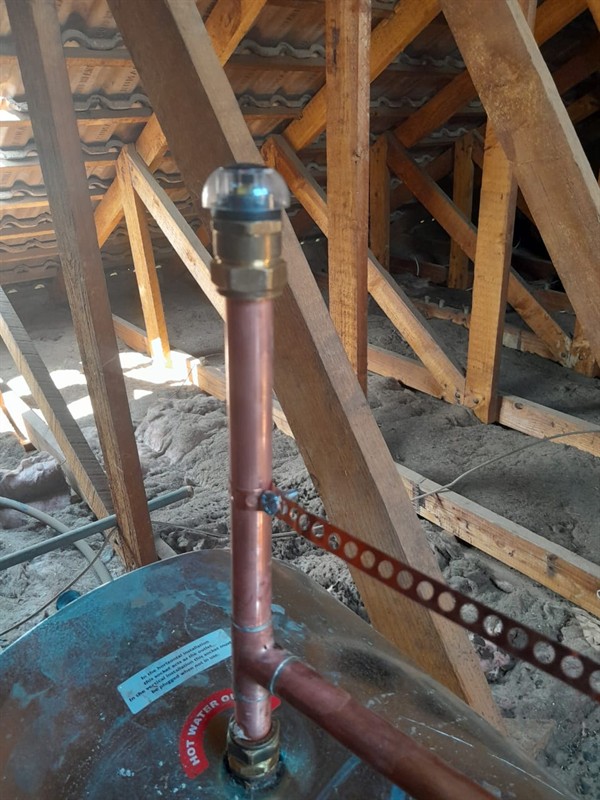 Moot
MootWater is continuously running from the burst geyser in Moot and you need it stopped. Book the job and when I arrive I will safely shut off the supply and electricity remove the old geyser replace it and test that hot water returns without leaking.
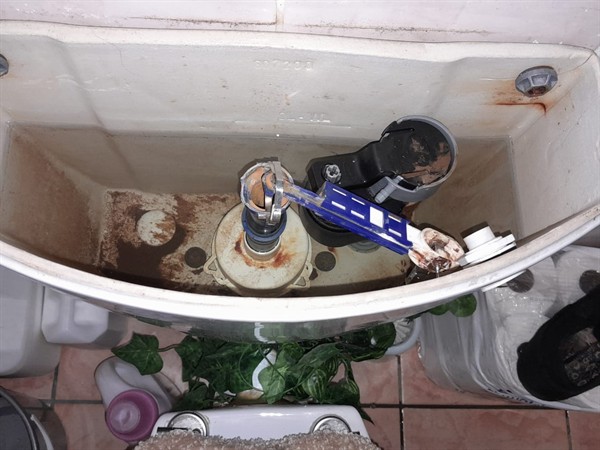 Villieria, Moot
The toilet fault in Villieria was assessed across the inlet, cistern controls, outlet connection and stability of the pan. The completed work was checked with repeated filling and flush cycles to confirm shut-off, sealing and reliable discharge.
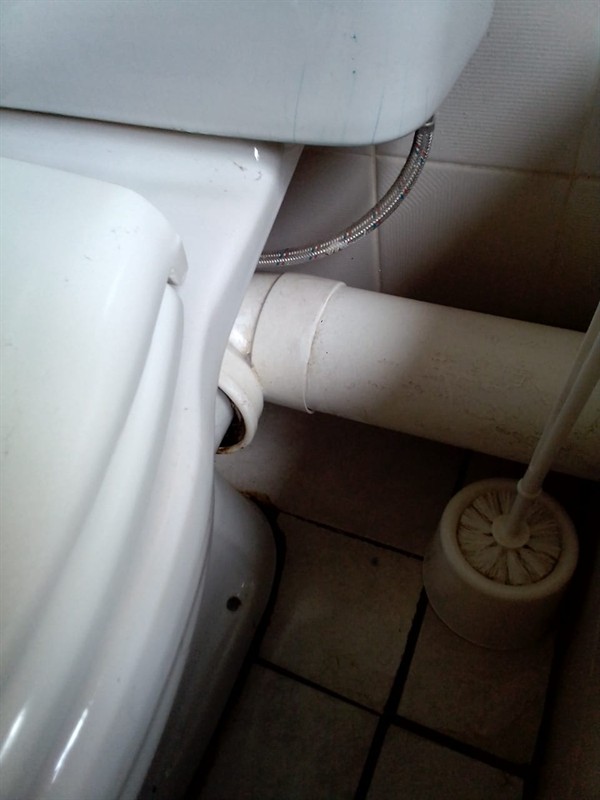 Waverley, Moot
The toilet fault in Waverley was assessed across the inlet, cistern controls, outlet connection and stability of the pan. The completed work was checked with repeated filling and flush cycles to confirm shut-off, sealing and reliable discharge.
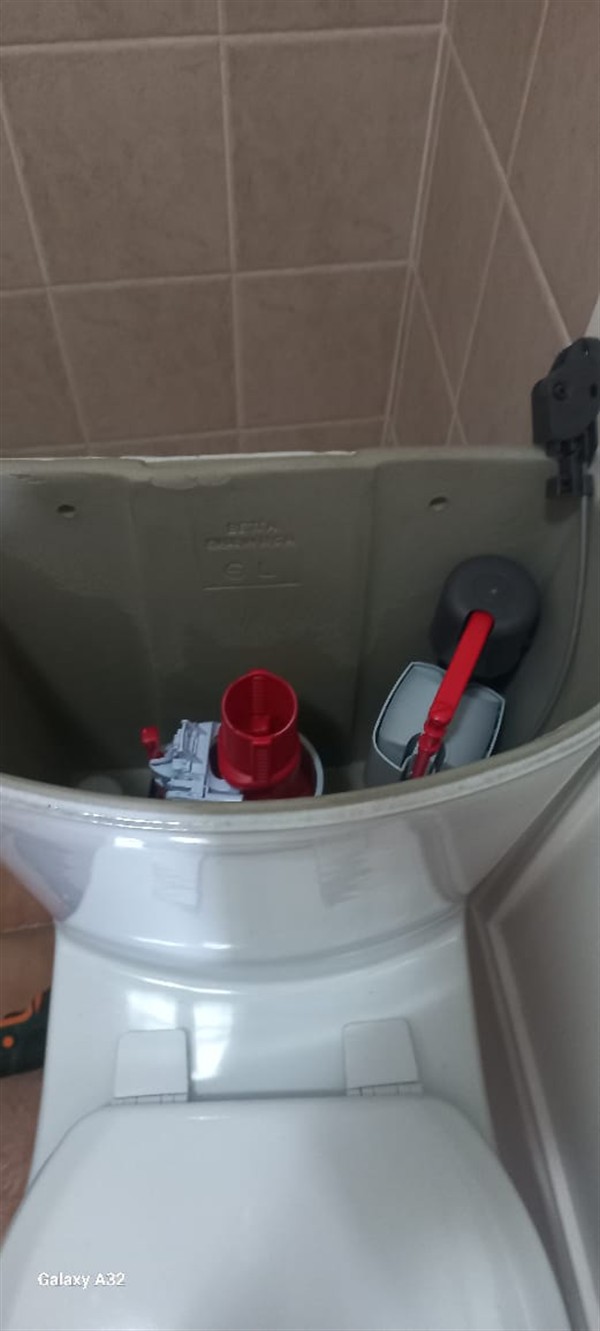 Waverly, Moot
The toilet fault in Waverly was assessed across the inlet, cistern controls, outlet connection and stability of the pan. The completed work was checked with repeated filling and flush cycles to confirm shut-off, sealing and reliable discharge.
The project details, locations and photographs shown here were drawn from completed plumbing work recorded across the wider Moot service area.
Explore practical advice on emergencies, maintenance, common faults and ways to reduce avoidable plumbing damage.

Gauteng, one of South Africa’s most populous regions, is home to many historic and older properties with distinct architectural charm. However, while…
Read guide
How to find a reliable plumber in South Africa with a practical checklist. Learn PIRB registration, credentials to check, and red flags to avoid.
Read guide
Water is one of our most valuable resources, and preserving it is critical, especially during a plumbing emergency. Whether Its a burst pipe, a leaking…
Read guide
A well-maintained emergency setup is something most people take for granted — right up until it stops working. While most homeowners regularly check their roofs,…
Read guide